How Biochar is Made and How Biochar Works
Doc makes biochar at home using a variety of organic matter from around the house. BIOCHAR truly is the most significant improvement that grows can add to their gardens, but in recent years Doc has developed delivery systems that allow lawns to benefit from the biochar as well. Good biochar studies:
Making Biochar Video
Biochar and Related Products
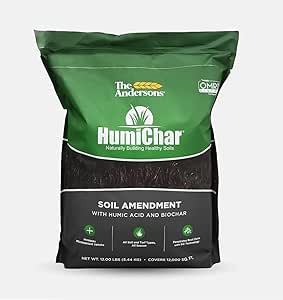
HUMICHAR… humic acid and biochar.
A 50/50 mix of humic acid and biochar made specifically for lawn care. CONTAINS NO NUTRIENTS and can be applied at anytime, as often as you want, and with any other product the same day. Price INCLUDES shipping.
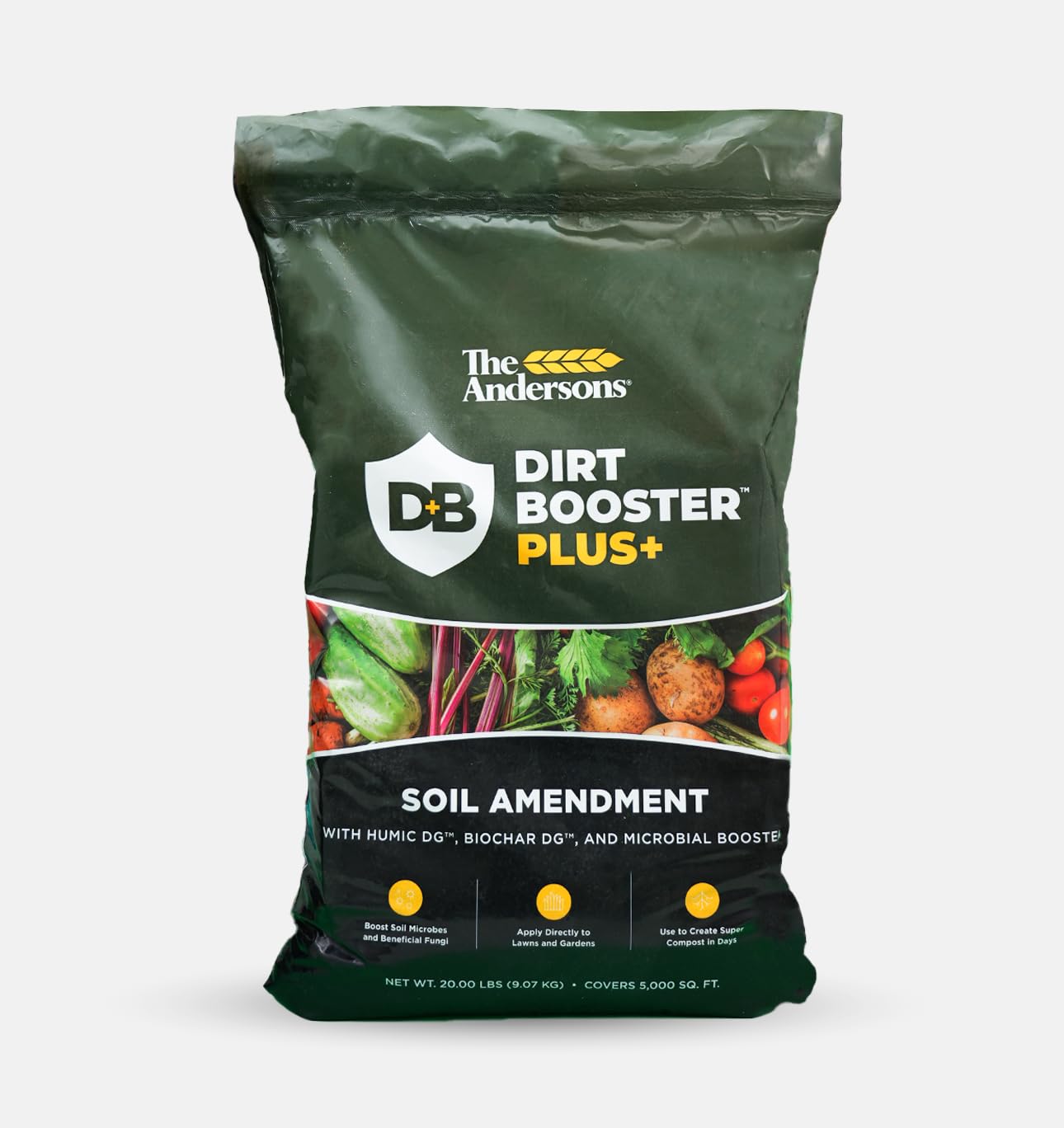
Dirt Booster
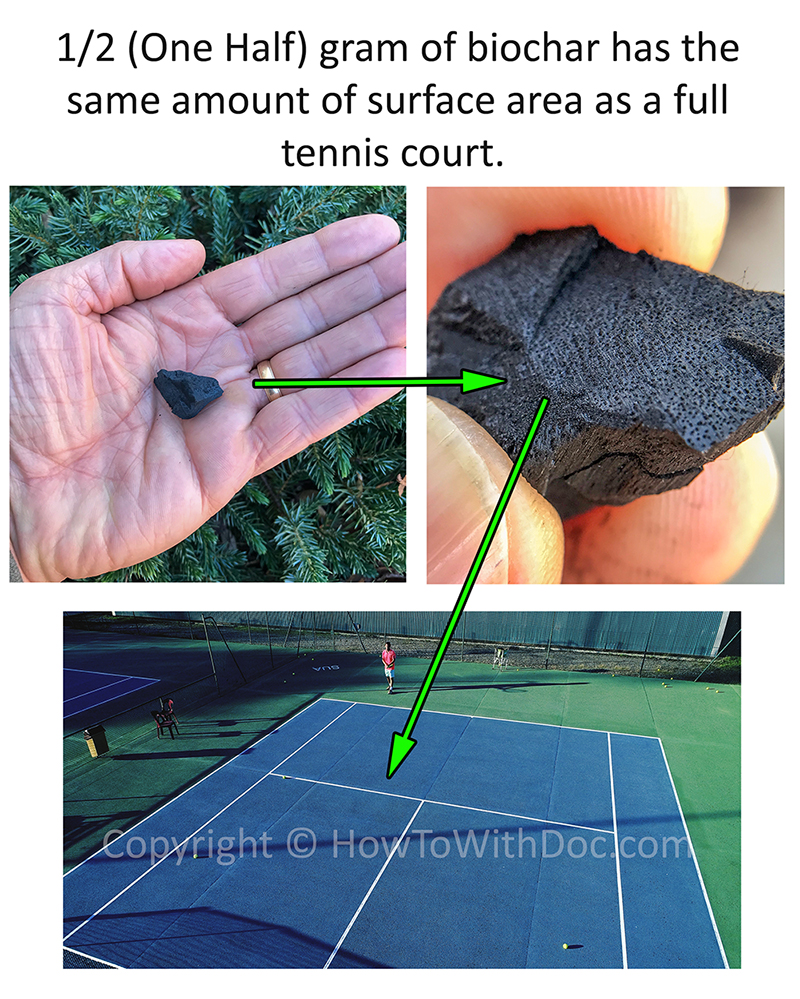
Biochar in Doc’s simple terms…
What is Biochar and How Does It Work?
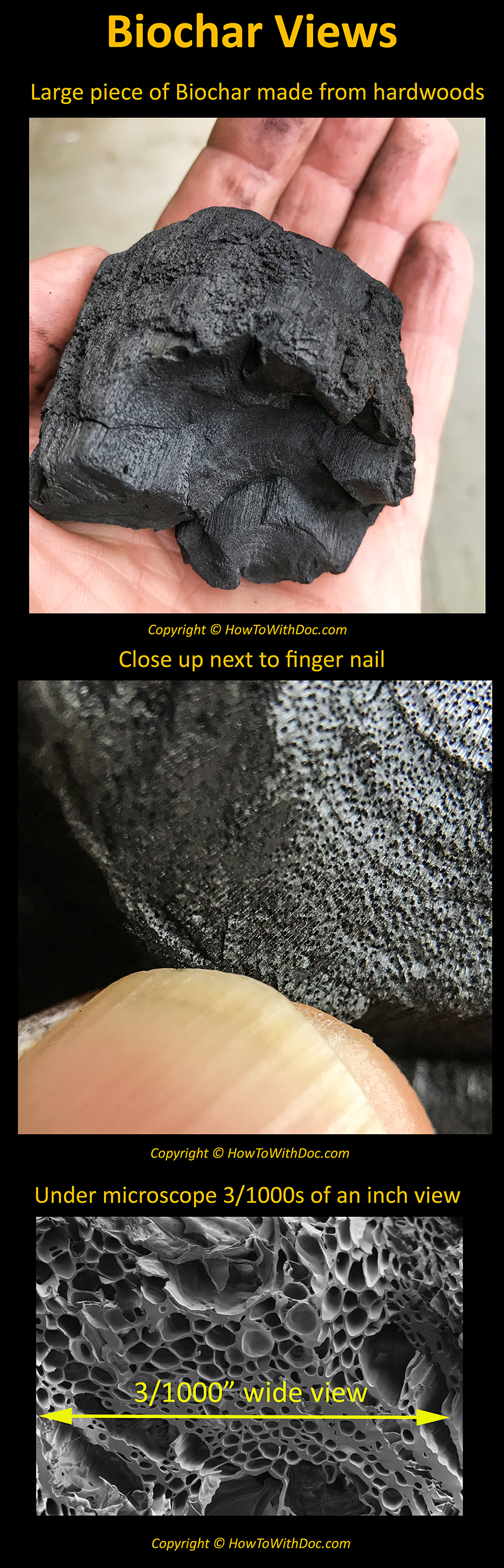
Biochar is a specialized, carbon-rich charcoal produced by heating organic matter—such as hardwood, branches, or yard waste—to extremely high temperatures in a low-oxygen environment. This process, known as pyrolysis, burns off volatile gases and leaves behind pure carbon.
It is important to understand that biochar is not a fertilizer and contains almost no nutritional value. Instead, think of biochar as a “coral reef” or a storage unit for your soil. The extreme heat of the activation process strips the organic material of absorbed molecules, creating a microscopic, honeycomb-like structure with massive surface area. This structure acts as a permanent host to trap and hold onto water, nutrients, and beneficial soil microbes.
Key Benefits of Biochar for Soil Health
-
Nutrient & Water Retention: The highly porous structure acts like a sponge, holding onto water-soluble nutrients and moisture, which reduces the need for frequent irrigation and prevents fertilizer leaching.
-
Microbe Habitat: Provides the perfect, permanent ecosystem for healthy soil microbes to thrive and multiply.
-
Long-Term Soil Building: Biochar does not break down quickly; it can remain in the soil for hundreds of years, continually improving depleted dirt into rich, fertile soil.
-
Environmental Impact: Modest additions of biochar can reduce nitrous oxide emissions by up to 80% and eliminate methane emissions, actively storing carbon in the ground.
How to Make Biochar at Home (Video Summary)
In the Making Biochar video above, Doc demonstrates how to manufacture your own high-quality biochar right in your backyard using everyday organic yard waste. Rather than burning brush into useless ash, the material is burned slowly with restricted oxygen.
To create optimal biochar that effectively improves soil drainage and stores carbon, the burn temperature is critical. High-quality biochar requires temperatures exceeding 800 degrees Fahrenheit (approx. 450°C). This high heat is what successfully “activates” the carbon, maximizing its porosity and bonding sites before it is introduced to your garden.
Applying Biochar to Your Lawn
While homemade biochar is incredible for garden beds, delivering chunky biochar deep into the soil profile of an established Bermuda grass lawn presents a challenge. To solve this, the delivery system matters.
HUMICHAR is a specialized 50/50 blend of high-quality, hardwood-derived biochar and humic acid designed specifically for easy lawn application.
-
Safe to Apply Anytime: Because it contains no nutrients, HUMICHAR will not burn your lawn. You can apply it as often as you want, any time of year.
-
Companion Friendly: It can be thrown down on the exact same day as other treatments, including PGF Complete fertilizer, Super Juice, or pre-emergents.
-
Synergistic Action: The humic acid immediately goes to work improving soil health and nutrient uptake, while the biochar carbon settles into the soil to provide a permanent home for the newly thriving microbe ecosystem.
“Biochar is usually wood or other organic matter that is burned very slowly in low oxygen environment producing CARBON RICH CHARCOAL rather than ash. It is very high in carbon. There is very little NUTRITIONAL VALUE to biochar, rather it is the HOST for good things to happen. You can think of it like a nutrient / microbe magnet or like a coral reef.
Making biochar involves heating carbon-rich materials, such as wood to very high temperatures. This ‘activation’ process strips the charcoal of previously absorbed molecules and frees up bonding sites again. This process also reduces the size of the pores in the charcoal and makes more holes in each molecule, therefore, increasing its overall surface area. Think of it as a STORAGE AREA OR HIDING PLACE for GOOD things.
Again, when you add biochar you are NOT adding nutrients. You are adding an ECO SYSTEM product that helps your soil develop and hold nutrients and healthy microbes. This process does take some time, but biochar can last for 100’s of years in the soil and over the years you are creating great soil that requires less fertilizer.”
The BIOCHAR / HUMICHAR Learning Video
Size does matter on lawns…
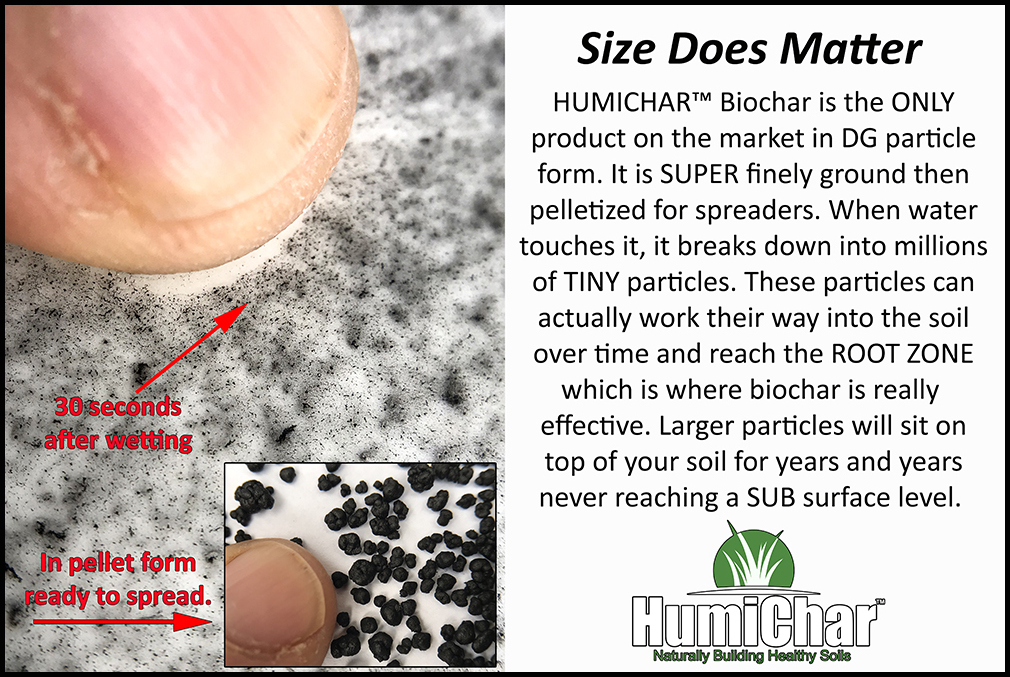
Not all BIOCHAR is the same…
We only use HIGH quality biochar made from hardwoods and it is made at temps at over 800 degrees. Why is this temp important?
Rice’s award-winning biochar research group examined the hydrologic properties of biochar produced at various temperatures from three kinds of feedstock — tree leaves, corn stalks and wood chips. For all feedstocks, the researchers found that biochar produced at temperatures above 450 degrees Celsius (842 degrees Fahrenheit) had optimal properties for improving soil drainage and storing carbon.
More Biochar Info…
Biochar (basically a specially produced charcoal) is a by-product of pyrolysis gas production whereby waste wood, manures, forestry residues or waste is pyrolysed, or roasted at high temperature to drive off volatile gases, which can be used to run engines, boil water and generate electricity.
The idea of using the charcoal by-product to improve soils has its origins in the study of “terra preta” soils of the Amazon basin. These human-modified soils are made by centuries of adding charcoal to the native rain forest soils. The Amazonians found that this improved the fertility of the otherwise very poor natural rain forest soils. Because charcoal lasts so long in soil, these soils can still be mapped and found today, even though long abandoned.
Biochar is recognized as offering a number of benefits for soil health. Many benefits are related to the extremely porous nature of biochar.  This structure is found to be very effective at retaining both water and water-soluble nutrients. When pre-charged with these beneficial organisms biochar becomes an extremely effective soil amendment promoting good soil and, in turn, plant health.
Biochar has also been shown to reduce leaching of E-coli through sandy soils depending on application rate, feedstock, pyrolysis temperature, soil moisture content, soil texture, and surface properties of the bacteria.
For plants that require high potash and elevated pH, biochar can be used as a soil amendment to improve yield.
Biochar can improve water quality, reduce soil emissions of greenhouse gases, reduce nutrient leaching, reduce soil acidity, and reduce irrigation and fertilizer requirements. Biochar was also found under certain circumstances to induce plant systemic responses to foliar fungal diseases and to improve plant responses to diseases caused by soil borne pathogens.
The various impacts of biochar can be dependent on the properties of the biochar, as well as the amount applied, and there is still a lack of knowledge about the important mechanisms and properties.  Biochar impact may depend on regional conditions including soil type, soil condition (depleted or healthy), temperature, and humidity. Modest additions of biochar to soil reduce nitrous oxide emissions by up to 80% and eliminate methane emissions, which are both more potent greenhouse gases than CO