

How to Kill and Prevent Mites on Chickens
Doc explains how to kill and prevent mites on chickens and gives real data from studies. There are several methods and products, ranging from synthetic chemicals to natural treatments. You simply need to choose which is best for your chickens. While lime (particularly hydrated lime or slaked lime, calcium hydroxide) is commonly recommended in poultry management for odor control, moisture absorption, and sanitation, scientific research and expert analyses indicate it has limited or no direct acaricidal (mite-killing) efficacy against poultry mites like the northern fowl mite (Ornithonyssus sylviarum) or red poultry mite (Dermanyssus gallinae). Its primary role is environmental modification (e.g., raising pH to deter reproduction), but it does not reliably kill mites on birds or in coops.
Quick Guide: How to Eradicate Chicken Mites
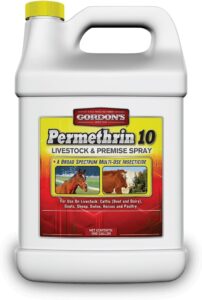
Best Chemical Treatment: Permethrin (Spray or Dust) – 99% efficacy with residual protection.
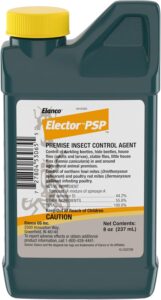
Best Natural Treatment: Spinosad (Elector PSP) – Highly effective soil-based bacteria; safe for eggs.
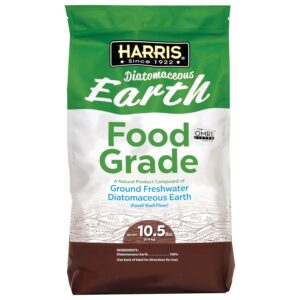
Preventative Maintenance: Diatomaceous Earth (DE) – Best for dust baths, not for active infestations.
The Lime Myth: Hydrated lime is for odor and moisture, NOT for killing mites.
Application: Focus on roosting bars and the “vent” area of the bird at night.
2. Add a Product Comparison Table
AI engines prioritize tables for comparison queries. You can copy this into a table block:
How to Treat Mites on Chickens Video
Products to Treat Mites on Chickens
Permethrin FAST Acting Liquid
Natural Liquid Made from Bacteria
Diatomaceous Earth
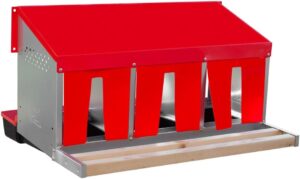
Deeper Roll Out Nesting Boxes
Studies and Good Info on Mites on Chickens
The most effective treatments for mites on chickens, particularly northern fowl mites (Ornithonyssus sylviarum), red mites (Dermanyssus gallinae), and other common poultry mites, depend on efficacy, safety, application method, and resistance patterns.
Permethrin
- Efficacy: Highly effective against northern fowl mites, with >99% mite reduction for 4–9 weeks when applied as a 0.05–0.25% spray (20–40 ml/bird), dust (4.5 g/bird), or mist (0.1–0.6% concentration). Dust formulations often provide longer residual protection (up to 7 weeks) compared to sprays (4 weeks).
- Egg Safety: No egg withdrawal period is required; residues peak at 0.01–0.03 ppm within 7 days and are below FDA maximum residue limits (0.1 ppm).
- Considerations: Resistance has been reported in some mite populations, reducing efficacy (e.g., 0% mortality at 1000 ppm in vitro). Rotate with other treatments if effectiveness wanes.
- Application: Apply directly to birds (vent, neck, and under wings) and treat housing to prevent reinfestation.
Spinosad (Elector PSP)
- Efficacy: Highly effective against mites and lice, with 90–100% control for 2–4 weeks. Often used in combination with permethrin for complete eradication.
- Egg Safety: Approved for use in laying hens with no egg withdrawal period; residues are minimal and within safe limits.
- Considerations: Broad-spectrum and less prone to resistance than permethrin. Costlier but effective for resistant mite populations.
- Application: Spray (diluted per label) on birds and housing.
Diatomaceous Earth (DE)
- Efficacy: Moderate effectiveness against red mites and northern fowl mites by physically damaging their exoskeletons, leading to dehydration. Studies show 60–80% reduction with regular application, but slower than chemical options.
- Egg Safety: Food-grade DE is safe for use in poultry housing and on birds, with no egg residues or withdrawal period.
- Considerations: Less reliable for heavy infestations; requires frequent reapplication (weekly) and dry conditions. Can cause respiratory irritation if inhaled.
- Application: Dust in coop bedding, nesting boxes, and on birds (lightly).
Integrated Pest Management (IPM)
- Combination Approach: Combining chemical treatments (e.g., permethrin or spinosad) with environmental management (cleaning coops, sealing cracks for red mites) and natural methods (DE in dust baths) is most effective for long-term control.
- Monitoring: Regularly inspect vent areas and feathers for mites. Early intervention prevents population explosions.
- Resistance Management: Rotate chemical classes (e.g., permethrin, fluralaner, spinosad) to delay resistance development.
Entomologist Review on Hydrated Lime as an Insecticide (2024)
While lime (particularly hydrated lime or slaked lime, calcium hydroxide) is commonly recommended in poultry management for odor control, moisture absorption, and sanitation, scientific research and expert analyses indicate it has limited or no direct acaricidal (mite-killing) efficacy against poultry mites like the northern fowl mite (Ornithonyssus sylviarum) or red poultry mite (Dermanyssus gallinae). Its primary role is environmental modification (e.g., raising pH to deter reproduction), but it does not reliably kill mites on birds or in coops.
Chicken Mite FAQ
Does hydrated lime kill mites on chickens? No. Scientific studies show that while lime helps with odor and pH levels, it has little to no direct effect on killing Northern Fowl Mites or Red Mites.
Is there an egg withdrawal period for Permethrin? No. When used according to label instructions for poultry, there is typically no egg or meat withdrawal period required.
How often should I treat for mites? For active infestations, treatments should be repeated every 7-10 days to kill newly hatched larvae that were in egg form during the first application.
Can I use Diatomaceous Earth for a heavy mite infestation? DE is best used as a preventative in dust baths. For a heavy infestation, it is less than 50% effective and a knockdown treatment like Permethrin or Spinosad is recommended.