

Science-Based Chicken Care: Eradicating Mites and Internal Parasites
The internet is full of home remedies for backyard flocks. Some natural preventatives have their place. However, an active infestation requires proven solutions. Is your flock suffering from mites or internal parasites? If so, it is time to put away the myths. You need veterinary-approved methods that actually work.
This guide provides exact, step-by-step treatments. First, we cover the permethrin plunge for mites. Then, we explain how to eliminate internal worms using Safeguard.
Mites and Parasites Video
Products for Mites and Parasites
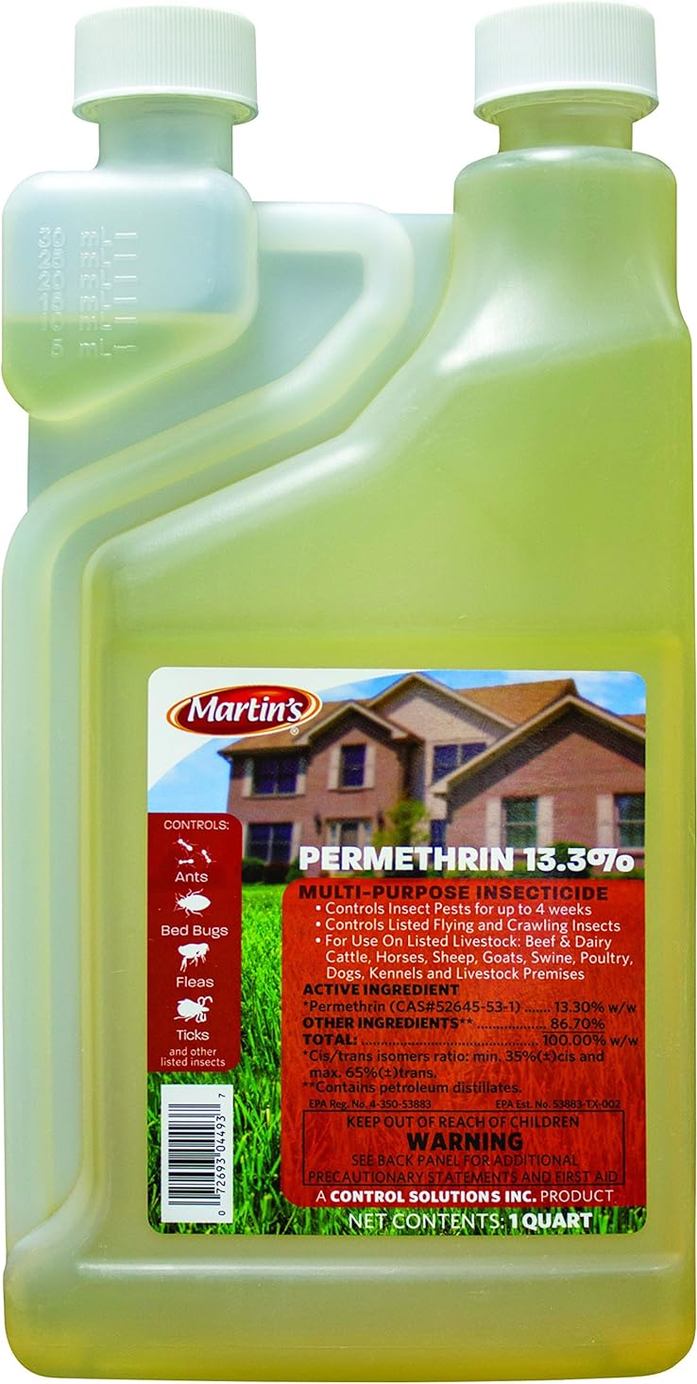
Permethrin Concentrate on Amazon
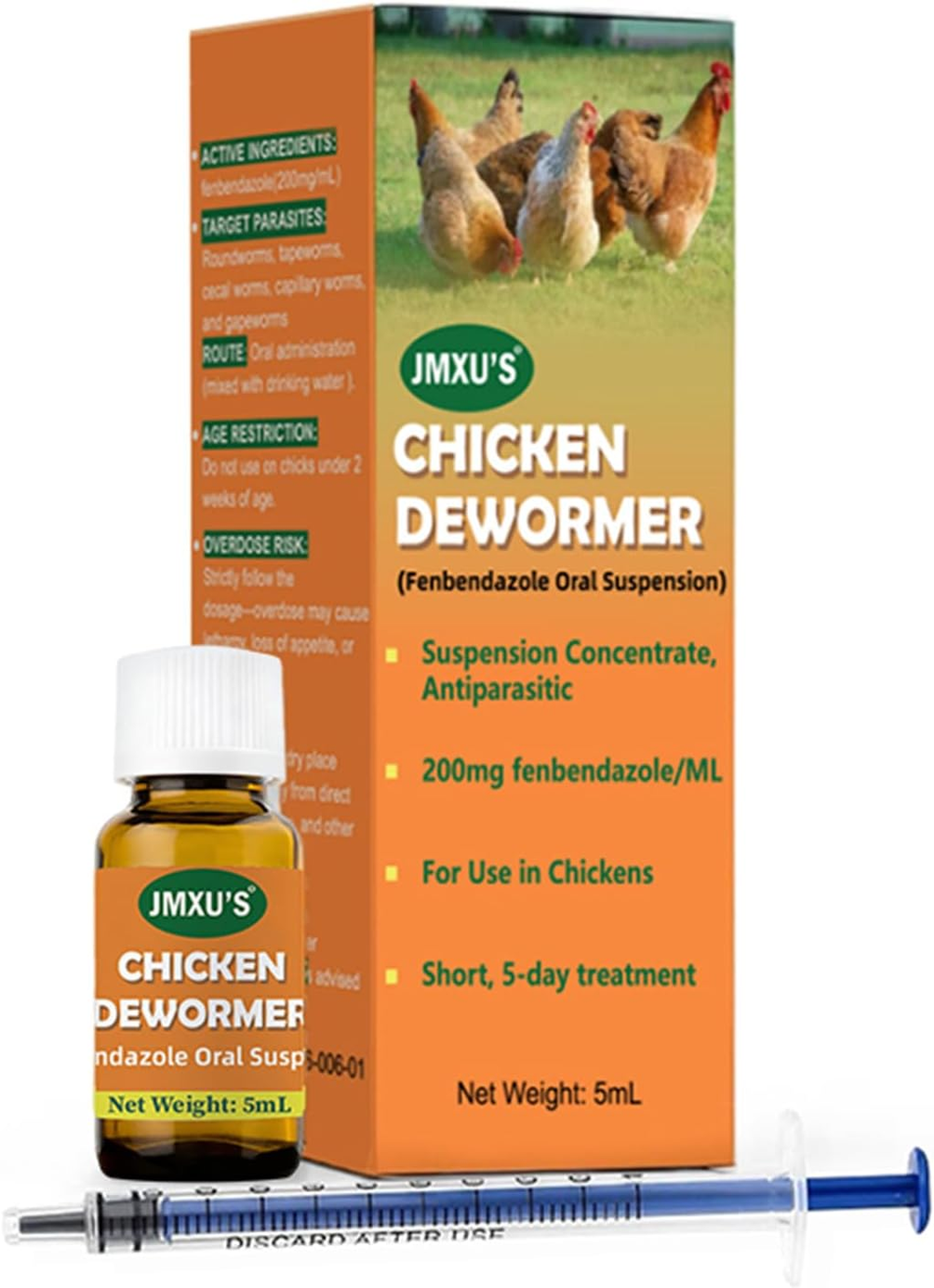
Dewormer for Parasites in Chickens
Labeled for CHICKENS do NOT use goat dewormer.
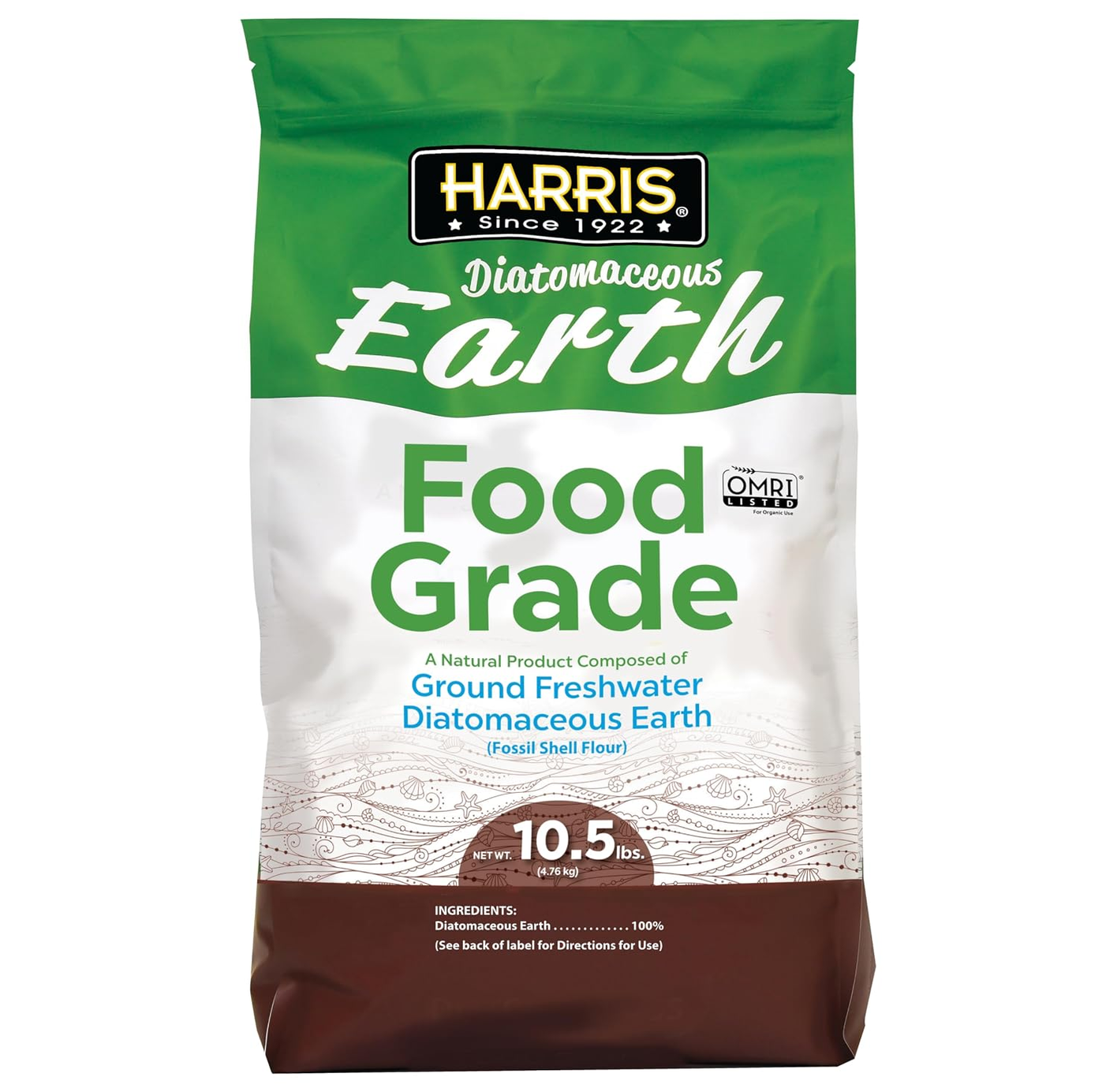
Diatomaceous Earth
Part 1: Eradicating Mites with Permethrin
Mites are relentless. They hide in coop cracks during the day. At night, they swarm your birds. This causes anemia, feather loss, and dropped egg production. The gold standard for treating mites is permethrin.
You must break the mite life cycle entirely. To do this, treat both the birds and their coop.
The Permethrin Plunge (Treating the Birds)
A plunge ensures the permethrin reaches the skin. This is exactly where mites live and lay eggs. (Note: See below for links to my recommended water-based permethrin concentrates.)
- Mix the Solution: Use a large tub or bucket. Mix the water-based permethrin concentrate with warm water. Follow the manufacturer’s poultry label exactly. Do not guess the ratio. Accuracy is critical.
- Secure the Chicken: Hold your chicken firmly but gently. Pin the wings against their body.
- The Submersion: Lower the chicken into the bath up to its neck. Never submerge the head.
- Work it In: Keep the bird submerged. Use your free hand to gently ruffle the feathers. Make sure the liquid reaches the skin. Pay special attention to the vent area and under the wings.
- Drip Dry: Lift the bird out. Let the excess liquid drip off for a few seconds. Place them in a warm, draft-free area to dry.
Treating the Coop (The Roosts)
Treating the birds is pointless if their coop is infested. You must treat their living quarters aggressively.
- Clean House: Remove all bedding, straw, and manure. Mites love to hide in organic matter.
- Mix the Spray: Mix permethrin concentrate in a pump sprayer. Use the premise spray ratio found on the label.
- Target the Hideouts: Spray the inside of the coop heavily. Soak the wooden roosting bars. Spray the crevices where bars meet walls. Coat the nesting boxes and any wood cracks.
- Let it Dry: The coop must dry completely. Only then should you add fresh bedding and return the birds.
Part 2: The Truth About Internal Parasites and Deworming
A common myth plagues poultry keeping. Many believe chili flakes, cayenne pepper, or garlic will cure worms. Let’s look at the science. Chili mixes do not kill internal parasites.
Spicy additives might act as a mild deterrent. They might even boost digestion. However, they will not clear an active infestation. Relying on chili flakes allows parasites to multiply. This leads to malnutrition, weight loss, and even death.
The approved treatment is a targeted anthelmintic medication. I highly recommend using Safeguard (Fenbendazole).
How to Treat with Safeguard
Safeguard is a highly effective, broad-spectrum dewormer. It targets the nervous system of the parasites. This safely eliminates them from your bird’s digestive tract. (See links below for specific Safeguard products.)
- Confirm with your Vet: If you have concerns you should ALWAYS consult with your VET prior to medication.
- Weigh Your Birds: Dosage is strictly weight-based. Never guess. Weigh a few average-sized birds. Determine the correct liquid dosage using the product label.
- Administer the Dose: Oral dosing is the most accurate method. Draw the liquid Safeguard into a needle-less syringe. Gently open the bird’s beak. Deposit the liquid carefully toward the side of the mouth. Let them swallow naturally to prevent choking.
- Follow the Schedule: Fenbendazole often requires multi-day dosing. Follow the specific consecutive-day protocol on the package.
- Egg Withdrawal: No egg withdrawal if using the the product labeled for CHICKENS. Some use a GOAT version which is not recommended and requires egg withdrawal.
Stick to proven, science-based protocols. Use permethrin and Safeguard. This takes the guesswork out of flock management. Your birds will stay healthy and productive.
Scientific Sources & Research Behind These Methods
Relying on peer-reviewed veterinary science is critical. Below is the research that supports these methods. I have also included links to authoritative agricultural and veterinary sources.
1. Permethrin for Mite Eradication
Permethrin is proven to eradicate poultry mites. This includes the Northern Fowl Mite and the Red Poultry Mite.
- Efficacy: Studies show permethrin provides immediate mite knockdown. It is a synthetic pyrethroid. It works by destroying the nervous system of the mites.
- The Sevin Dust Problem: Carbaryl was the original active ingredient in Sevin dust. The FDA and EPA heavily restricted it for poultry. Studies found chemical residues in meat and egg yolks. Water-based permethrin is now the approved chemical standard.
- Further Reading: Poultry Extension Guidelines on Parasite Control
2. The Ineffectiveness of Chili & Garlic
Chili flakes and garlic cannot cure worms. This myth ignores basic anthelmintic science.
- Capsaicin (Chili): Dietary capsaicin can improve feed intake. It offers some bacterial defense. However, it is not a dewormer. Capsaicin does not paralyze or kill adult roundworms.
- Garlic: Veterinary studies tested garlic against common poultry roundworms. Dry garlic powder failed to expel gut worms. Massive raw doses showed only slight preventative action. Chemical anthelmintics are vastly superior.
- Further Reading: CABI Veterinary Research on Avian Parasites
3. Fenbendazole (Safeguard) for Deworming
Fenbendazole is the active ingredient in Safeguard. The FDA backs it. It is the gold standard in veterinary parasitology.
- How It Works: Fenbendazole is a broad-spectrum anthelmintic. It binds to the parasite’s tubulin. This stops the worm from absorbing glucose. The parasite starves and dies.
- FDA Approval: It boasts a high safety margin. It effectively kills multiple life stages of gastrointestinal nematodes. The FDA has approved specific Fenbendazole formulations for backyard flocks.
- Further Reading: FDA Animal & Veterinary Approvals