How Does Biochar Work
If you’ll take the time to WATCH the video below, it will completely explain how biochar works. Doc explains biochar in simple terms and explains why all biochars are the same and how some biochar is not effective on lawns. Biochar is very misunderstood by many. TAKE THE TIME to watch the video.
How Biochar Works Video
Biochar works by HOLDING water, nutrients, and good microbes in the soil that would otherwise be washed away or die from harsh conditions. Biochar last for your lifetime and more. it can last thousands of years.
What is Biochar
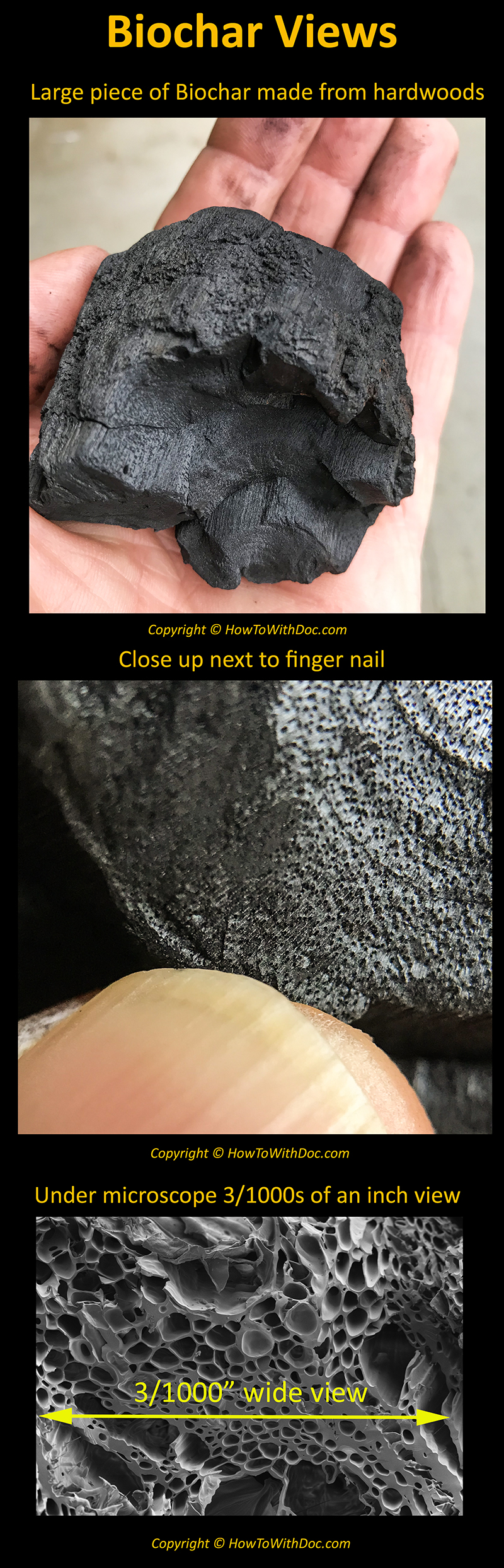
Biochar is the CARBON skeleton of wood, or other organic matter, that has been produced by super heating vs. burning. Every small piece has millions of molecular bonding sites that hold water, nutrients, microbes, fungi, and bacteria.
The goal of using biochar
Create a healthy soil environment with the LIMITED use of fertilizers. Create a soil that feeds itself and the plants growing in it.
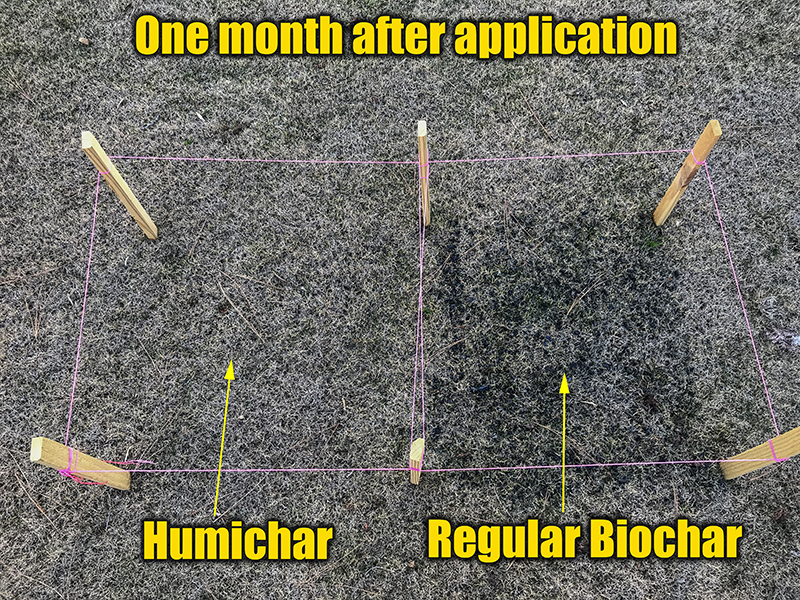
Why most Biochar is not made for lawns.
The picture below is worth a 1000 words. Use HUMICHAR on your lawn.
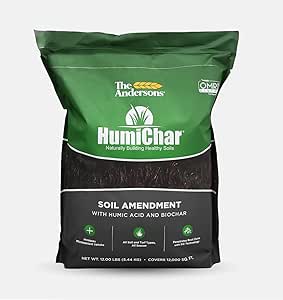
HUMICHAR ™ is the ONLY biochar that can be applied with a lawn spreader and within one hour, after wetting, be COMPLETELY down to the soil level of the lawn. (Passing through the grass and thatch layers.) It is also the only spreader biochar that can be used on golf greens and fairways without any delay in play.
What is Biochar and How Does It Work?
Biochar is a specialized, carbon-rich charcoal produced by heating organic matter—such as hardwood, branches, or yard waste—to extremely high temperatures in a low-oxygen environment. This process, known as pyrolysis, burns off volatile gases and leaves behind pure carbon.
It is important to understand that biochar is not a fertilizer and contains almost no nutritional value. Instead, think of biochar as a “coral reef” or a storage unit for your soil. The extreme heat of the activation process strips the organic material of absorbed molecules, creating a microscopic, honeycomb-like structure with massive surface area. This structure acts as a permanent host to trap and hold onto water, nutrients, and beneficial soil microbes.
Key Benefits of Biochar for Soil Health
-
Nutrient & Water Retention: The highly porous structure acts like a sponge, holding onto water-soluble nutrients and moisture, which reduces the need for frequent irrigation and prevents fertilizer leaching.
-
Microbe Habitat: Provides the perfect, permanent ecosystem for healthy soil microbes to thrive and multiply.
-
Long-Term Soil Building: Biochar does not break down quickly; it can remain in the soil for hundreds of years, continually improving depleted dirt into rich, fertile soil.
-
Environmental Impact: Modest additions of biochar can reduce nitrous oxide emissions by up to 80% and eliminate methane emissions, actively storing carbon in the ground.
The Terra Preta Biochar Story
Understanding bio-char’s history will really help you understand how well it works. Watch the video below about how the ancients used biochar to turn some of the worst soil into the world’s best.
Biochar Pictures
Detailed Biochar Info
Biochar is charcoal used as a soil amendment for both carbon sequestration and soil health benefits. Biochar is a stable solid, rich in carbon, and can endure in soil for thousands of years. Like most charcoal, biochar is made from biomass via pyrolysis. Biochar is under investigation as a viable approach for carbon sequestration, as it has the potential to help mitigate global warming and climate change. It results from processes related to pyrogenic carbon capture and storage
Biochar is recognized as offering a number of soil health benefits. The extremely porous nature of biochar is found to be effective at retaining both water and water-soluble nutrients. Soil biologist Elaine Ingham indicates the extreme suitability of biochar as a habitat for many beneficial soil microorganisms. She points out that when pre-charged with these beneficial organisms biochar becomes an extremely effective soil amendment promoting good soil and, in turn, plant health.
Biochar Soil
Biochar may increase soil fertility of acidic soils (low pH soils), increase agricultural productivity, and provide protection against some foliar and soil-borne diseases. Regarding its definition in production, biochar is defined by the International Biochar Initiative as “The solid material obtained from the thermochemical conversion of biomass in an oxygen-limited environment”.
Biochar has also been shown to reduce leaching of E-coli through sandy soils depending on application rate, feedstock, pyrolysis temperature, soil moisture content, soil texture, and surface properties of the bacteria.
For plants that require high potash and elevated pH, biochar can be used as a soil amendment to improve yield.
Biochar can improve water quality, reduce soil emissions of greenhouse gases, reduce nutrient leaching, reduce soil acidity, and reduce irrigation and fertilizer requirements. Biochar was also found under certain circumstances to induce plant systemic responses to foliar fungal diseases and to improve plant responses to diseases caused by soilborne pathogens.