Lawn Care Pre-emergent Guide and Tips
Lawn pre-emergents are often misunderstood or applied incorrectly. The video below helps explain some tips for weed pre-emergent applications on lawns. Get the FREE LAWN CARE GUIDE if you have more questions, and a full explanation of applications is below.
Pre-emergent Tips Video
Early Spring Lawn Care Products
Granular Pre-Emergent

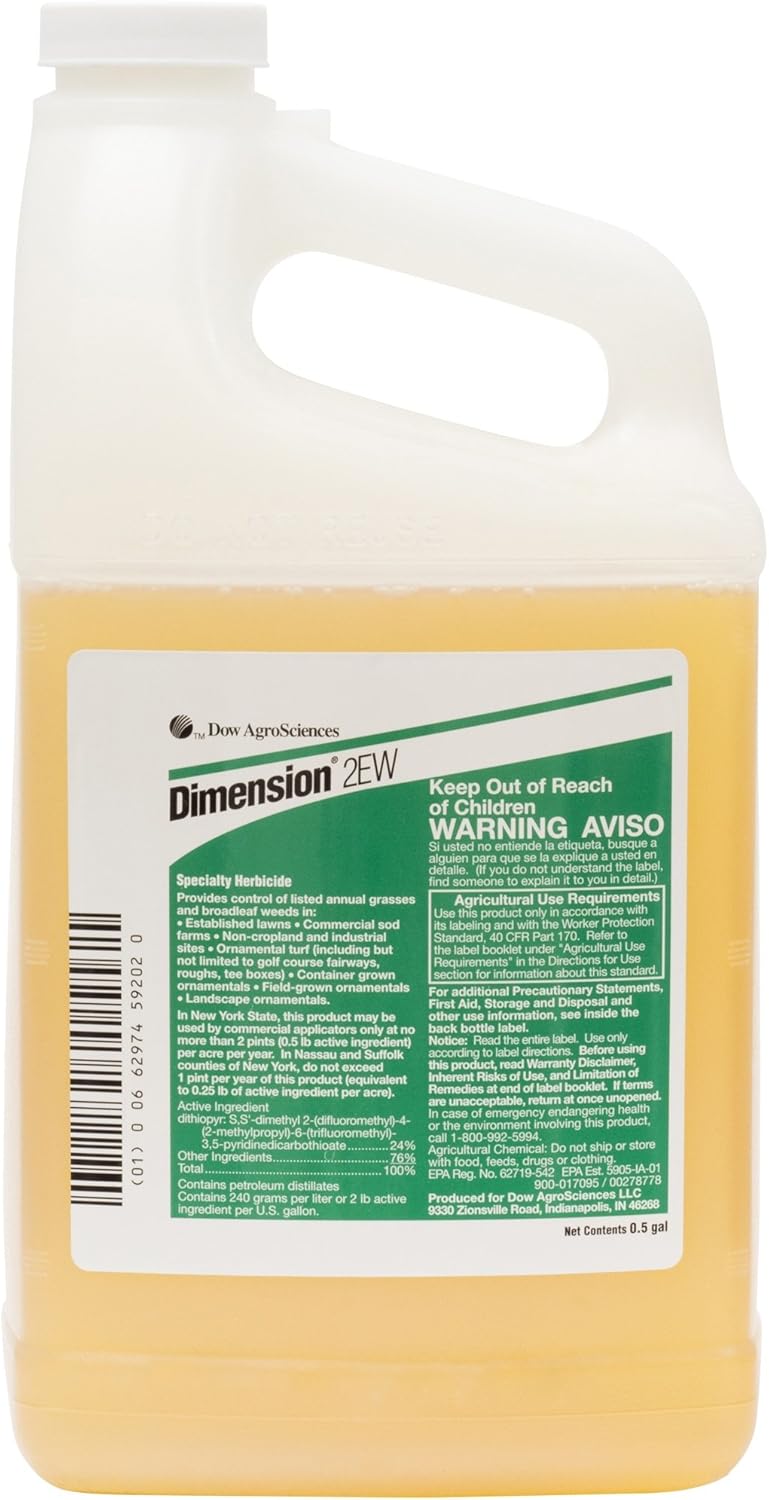
Spray Pre-Emergent
This bottle will last most people 2-3 years
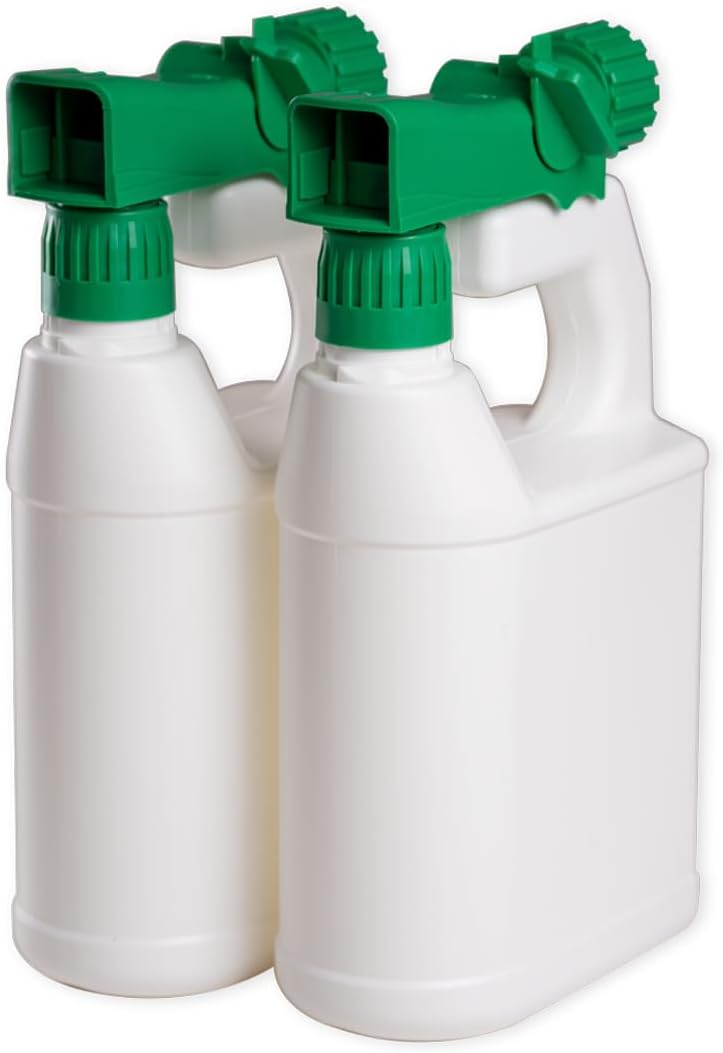
Spray Bottles
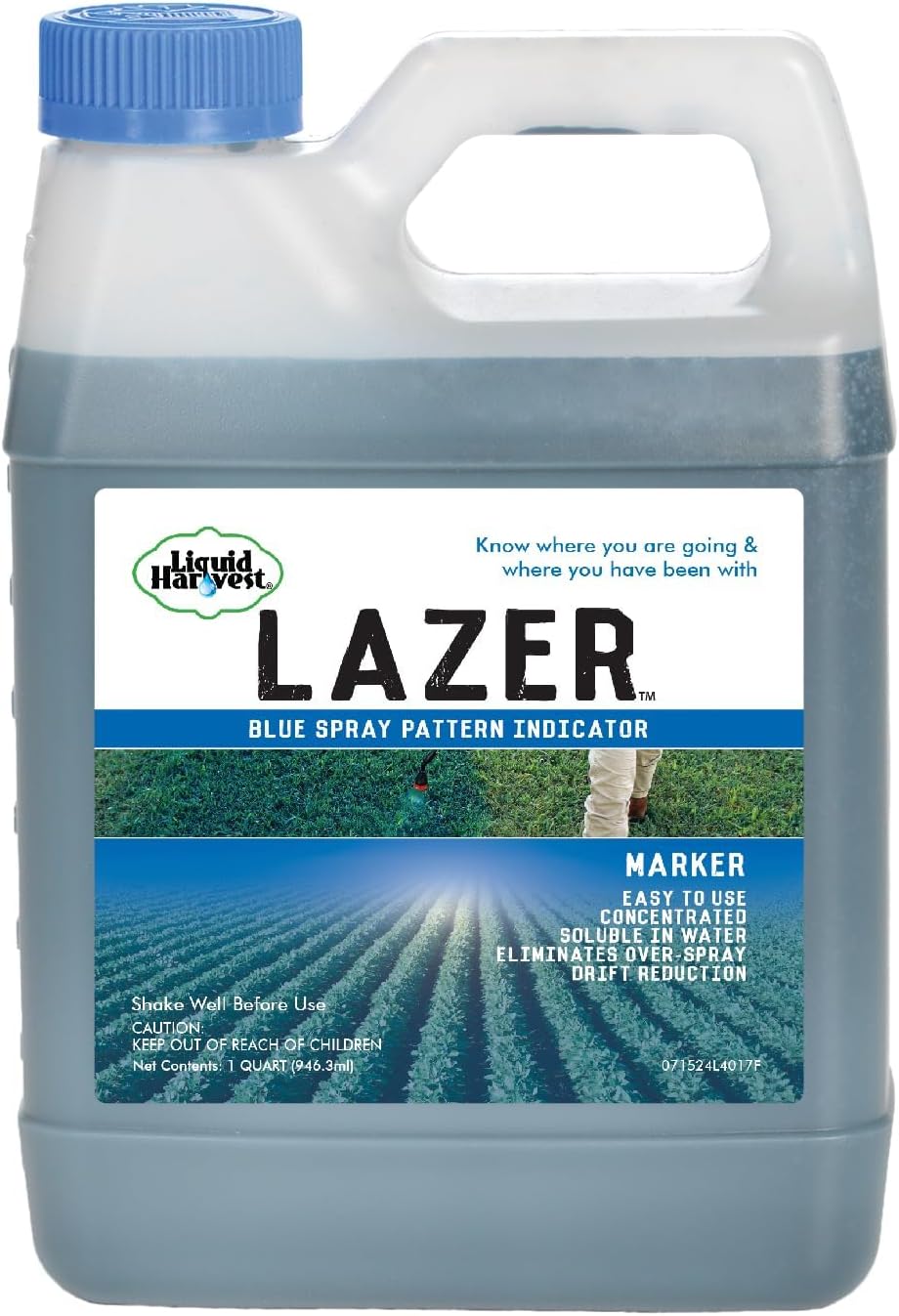
Blue Dye for Spray Marking
PGF Complete

PGF Balanced 10-10-10

Lawn Soil Test

Step by Step Tips for Lawn Pre-emergent
Successfully managing a Bermuda lawn requires a proactive approach, especially when it comes to weed control. While Bermuda is an aggressive, resilient grass, it is most vulnerable during the transition from dormancy to active growth. The most effective tool in a lawn care arsenal is pre-emergent herbicide. When applied correctly, it creates a chemical barrier that stops weeds before they ever break the surface, ensuring your lawn stays thick and uniform throughout the growing season.
How Pre-emergents Actually Work
A common misconception is that pre-emergents prevent seeds from germinating. In reality, the seeds still germinate, but the herbicide interrupts cell replication once the process begins. Specifically, it prevents the newly germinated weed from developing a root system. Without the ability to establish roots, the young plant quickly dies.
Because these chemicals target cell production in roots, they are “blind” to whether the root belongs to a weed or your grass. This is why you must never apply pre-emergent to newly seeded lawns or fresh sod until they are fully established—typically after one full growing season or at least three to four mowing cycles.
Before you Treat… Key Guidelines for Seeding
-
The 3-Month Rule: Generally, you should wait at least three months after applying a pre-emergent before putting down new seed. This allows the chemical barrier in the soil to break down enough for new grass roots to survive.
-
Establishment First: If you have already seeded, you must wait until the new grass is fully established (usually after three to four mowings) before applying any pre-emergent.
-
Check the Label: Always verify the specific “seeding interval” on the product’s back label, as some stronger formulas may require an even longer wait time.
Timing and the Soil Temperature Rule
Timing is the most critical factor in pre-emergent success. Most problematic weeds, particularly crabgrass, begin to germinate when the upper two inches of soil reach a consistent temperature between 51°F and 55°F.
While many regional guides suggest a target date of March 15th for the transition zone, the most effective strategy is the “early bird” approach. Aim to have your first application down by March 1st. An early application ensures the barrier is in place even if an unseasonably warm spell triggers early germination.
The Split-Application Strategy
Relying on a single application is a gamble. Weather, heavy rain, and soil microbial activity can break down the herbicide barrier prematurely. The most reliable method for a “zero-weed” lawn is a split-application program:
- Phase 1 (Early March): Apply a high-quality granular pre-emergent. Granular versions tend to hold the ground well and provide a steady base of protection.
- Phase 2 (5-6 Weeks Later): Follow up with a liquid application. Using a product like Dimension (dithiopyr) is highly effective because it acts as both a pre-emergent and a post-emergent killer for very young crabgrass that may have slipped through the initial barrier.
Application Guidelines and Soil Prep
For the herbicide to work, it must reach the soil. Follow these rules for the best results:
- Dry Soil First: Apply your product to dry soil. Do not apply to saturated or wet soil, as this increases the risk of runoff.
- Water it In: Immediately after application, run your irrigation or wait for a light rain to wash the chemical into the ground (about 1/4 inch deep).
- Avoid “Weed and Feed”: Steer clear of “dumbed down” consumer combination products that mix fertilizers and weed killers. These mass-market products often provide subpar results. Instead, target your problems individually with dedicated products.
The Jump Start Program
A great Bermuda lawn isn’t just about weed control; it’s about soil health. You can combine your early pre-emergent application with a “Jump Start” nutritional boost. Around the time you put down your granular pre-emergent, apply a balance fertilizer (like PGF Complete) and a carbon-rich soil amendment like Humichar. This ensures that as the Bermuda wakes up from dormancy, it finds a nutrient-rich environment ready to support its aggressive spreading.
Pro Tips for Execution
- Spray Ratios: If using liquid applications, a 60:1 ratio is often superior to a 20:1 ratio for pre-emergents. More water helps ensure the product gets past the grass blades and into the soil.
- Visibility: When spraying, add a small amount of green marking dye to your tank. This prevents overlaps and ensures you don’t miss any spots, giving you visual confirmation that the sprayer is working correctly.
- Soil Monitoring: Use online soil temperature maps (like Greencast) or a simple soil thermometer to track the 10-day moving average in your specific zip code.