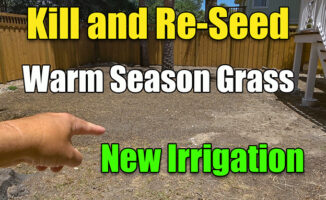
Best Warm Season Grass Seeds: A Complete Guide to Southern Lawns
Direct Answer: The best warm season grass seeds for southern lawns include Bermuda grass for high-traffic sunny areas, Centipede grass for low-maintenance acidic soils, Zoysia grass for dense shade-tolerant turf, and St. Augustine grass for coastal regions. The ideal choice depends on your climate zone, soil type, sun exposure, and maintenance preferences.
Choosing the right warm season grass seed is crucial for creating a lush, green lawn that thrives in hot southern summers. Unlike cool-season grasses that struggle in heat, warm season varieties actively grow when temperatures exceed 80°F, making them perfect for USDA Zones 7-11. This guide covers the top grass seed options, their unique characteristics, and Doc’s recommended products to help you establish the lawn of your dreams.
Understanding Warm Season Grasses
Direct Answer: Warm season grasses are species that thrive in temperatures between 80-95°F, go dormant and turn brown in winter, and require full sun to partial shade for optimal growth.
These grasses are native to tropical and subtropical regions, making them naturally adapted to hot, humid climates. They grow most actively during late spring through summer, then enter dormancy when soil temperatures drop below 55°F. This dormancy is normal and protects the grass from cold damage.
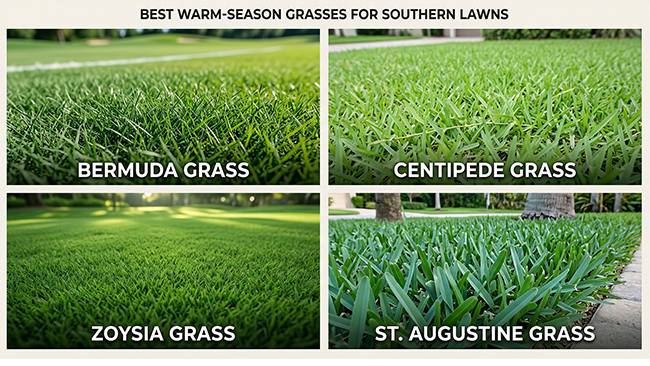
Top Warm Season Grass Seed Varieties
Bermuda Grass: The High-Performance Champion

Direct Answer: Bermuda grass is the most popular warm season grass for lawns, sports fields, and golf courses due to its excellent drought tolerance, rapid growth, and ability to withstand heavy foot traffic.
Bermuda grass spreads aggressively through both stolons (above-ground runners) and rhizomes (underground stems), creating a dense, carpet-like turf. It requires full sun (at least 6-8 hours daily) and performs best in USDA Zones 7-10. While it demands more frequent mowing than other warm season grasses, the result is a pristine, manicured appearance that recovers quickly from damage.
Bermuda Seed Warning…
Why You Shouldn’t Seed Over Sod with just ANY seed.
Doc warns that you should never overseed a fine-blade hybrid sod lawn with COMMON Bermuda seed. Because they are different varieties, the common Bermuda will look like a “coarse weed” growing in your uniform, fine-textured lawn. The two will not blend, resulting in a permanent patchiness in both color and texture.
Centipede Grass: The Lazy Man’s Grass

Direct Answer: Centipede grass is the lowest-maintenance warm season option, requiring minimal fertilization, infrequent mowing, and thriving in acidic, sandy soils common throughout the Southeast.
Often called “Lazy Man’s Grass,” Centipede grows slowly and maintains a natural apple-green color with little intervention. It’s ideal for homeowners who want an attractive lawn without constant upkeep. However, it doesn’t tolerate heavy traffic well and performs poorly in alkaline soils or high-pH conditions.
Zoysia Grass: The Versatile Performer

Direct Answer: Zoysia grass offers the best shade tolerance among warm season grasses while providing a dense, weed-resistant turf that feels soft underfoot and requires less water than Bermuda.
Zoysia’s deep root system makes it exceptionally drought-tolerant once established. It grows slower than Bermuda, meaning less frequent mowing, but this also means it takes longer to establish from seed. Zoysia thrives in USDA Zones 6-11 and can handle moderate shade better than any other warm season variety.
St. Augustine Grass: The Coastal Favorite

Direct Answer: St. Augustine grass is the preferred choice for coastal regions and areas with high humidity, offering excellent salt tolerance and thriving in the shade better than Bermuda.
This coarse-textured grass creates a thick, blue-green carpet that’s perfect for Florida, Gulf Coast states, and Southern California. While it requires more water than other warm season grasses and doesn’t handle heavy traffic well, its shade tolerance and salt resistance make it unbeatable for specific environments.
Doc’s Recommended Warm Season Grass Seed Products
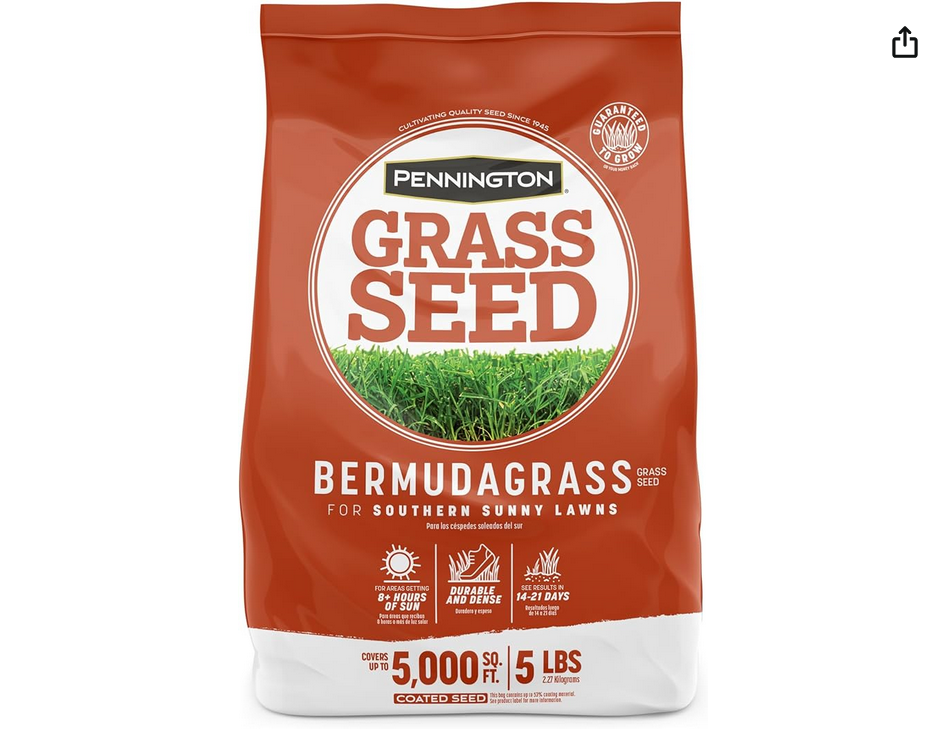
1. Outsidepride Oasis Bermuda Grass Seed
Best for: High-traffic lawns and sunny areas
The Oasis Bermuda blend offers exceptional heat resistance and drought tolerance. This fast-growing variety establishes quickly and creates a thick, low-maintenance turf perfect for active families. The seeds are coated for better germination and moisture retention.

2. Outsidepride Combat Extreme Transition Zone Grass Seed
Best for: Transition zones with variable temperatures
Designed specifically for the challenging transition zone (USDA Zones 6-7), this blend combines turf-type tall fescue with Kentucky bluegrass for year-round performance. The OptiGrowth coating enhances germination and provides essential nutrients for establishment.

3. Outsidepride Combat Extreme Southern Zone Grass Seed
Best for: Deep South and hot, humid climates
This specialized blend is formulated for the intense heat and humidity of the Deep South. Combining SPF-30 heat-tolerant varieties with turf-type fescue, it delivers exceptional performance where other grasses struggle.

4. Outsidepride Combat Extreme Transition Zone with OptiGrowth
Best for: Homeowners seeking enhanced germination
Featuring Outsidepride’s exclusive OptiGrowth coating technology, this blend ensures superior seed-to-soil contact, moisture retention, and nutrient delivery. The fine to medium leaf blades create a dense, professional-looking turf.

5. Outsidepride Maya (Blackjack II) Bermuda Grass Seed
Best for: Premium lawns and golf course-quality turf
The Maya Blackjack II variety produces a fine-textured, dark green carpet-like turf that rivals golf course fairways. Exceptional cold tolerance for a Bermuda grass means it stays greener longer into fall and recovers faster in spring.

6. Outsidepride Centipede Grass Seed
Best for: Low-maintenance, acidic soil lawns
The ultimate low-maintenance option, this Centipede grass thrives in sandy, acidic soils with minimal fertilization. Its slow growth means mowing every 10-14 days instead of weekly, and its natural apple-green color requires no supplemental iron.

7. Outsidepride Oasis Bermuda Grass Blend
Best for: Thick coverage and rapid establishment
This premium Bermuda blend is specifically formulated for thick, dense coverage in sunny areas. Heat resistant and drought-tolerant, it’s ideal for lawns that receive full sun exposure throughout the day.

8. Outsidepride Oasis Bermuda Grass for Sunny Areas
Best for: Large lawn areas and commercial applications
A specialized formulation designed specifically for areas receiving intense sunlight. This variety maintains its color and density even during the hottest summer months when other grasses may struggle.

9. Outsidepride Centipede Grass for Southern Lawns
Best for: Southeast US and coastal plains
Specially selected varieties that perform exceptionally well in the humid Southeast. This Centipede grass handles the region’s sandy soils, high humidity, and occasional drought with minimal care requirements.

Common Bermuda Seed
If you want COMMON Bermuda seed, this is the seed Doc uses for rough areas.
How to Plant Warm Season Grass Seed
Direct Answer: Plant warm season grass seed when soil temperatures consistently reach 70-80°F, typically late spring to early summer, using proper soil preparation, adequate seed coverage, and consistent moisture until germination. The BIG MISTAKE… planting when temps are too cold.
Step 1: Soil Preparation
Test your soil pH and adjust to 6.0-7.0 for most warm season grasses (Centipede prefers 5.0-6.5). Remove existing vegetation, loosen soil to 4-6 inches depth, and remove rocks and debris. Add organic matter if soil is poor.
Step 2: Seeding Rates
- Bermuda: 1-2 lbs per 1,000 sq ft
- Centipede: 0.5-1 lb per 1,000 sq ft
- Zoysia: 1-2 lbs per 1,000 sq ft
- St. Augustine: Usually sod or plugs; seed is rare
Step 3: Watering Schedule
Keep soil consistently moist (not soggy) for the first 2-3 weeks until germination. Light, frequent watering 2-3 times daily is better than deep soaking. Gradually reduce frequency as grass establishes.
Warm Season Grass Care Tips
Mowing Heights
- Bermuda: 0.5-2 inches (lower for hybrid varieties)
- Centipede: 1.5-2.5 inches
- Zoysia: 1-2 inches
- St. Augustine: 2.5-4 inches
Fertilization Schedule
Apply nitrogen fertilizer monthly during active growing season (May-August). Use 0.5-1 lb nitrogen per 1,000 sq ft. Reduce or eliminate fall fertilization to prevent winter damage.
Common Problems and Solutions
Brown Spots in Summer
Usually caused by drought stress, fungal disease, or pet damage. Increase watering frequency and check for grubs or fungus. Doc recommends applying Andersons Prophesy fungicide preventatively during humid periods.
Weed Invasion
Apply pre-emergent herbicide in early spring before soil temperatures reach 55°F. For existing weeds, use selective herbicides labeled safe for your grass type. A thick, healthy lawn is the best weed prevention.
Final Recommendations
Selecting the best warm season grass seed depends on your specific conditions:
- Full sun, high traffic: Bermuda grass (Oasis or Maya Blackjack II)
- Low maintenance, acidic soil: Centipede grass
- Partial shade, premium appearance: Zoysia grass
- Coastal, humid regions: St. Augustine or Centipede
- Transition zone challenges: Combat Extreme blends
Remember: proper soil preparation and consistent watering during establishment are more important than the specific variety you choose. A well-established lawn of any quality grass seed will outperform a poorly established premium variety.
For more lawn care tips and warm season grass advice, follow @howtowithdoc on Instagram.