

Best Chicken Feed for Egg Production and Health
Winter can be stressful on chickens and their egg production. Doc explains what he feeds his chickens to improve their health and increase egg production.
Best Chicken Feed Video
Products for Chicken Coops
Wifi Cameras we now use.

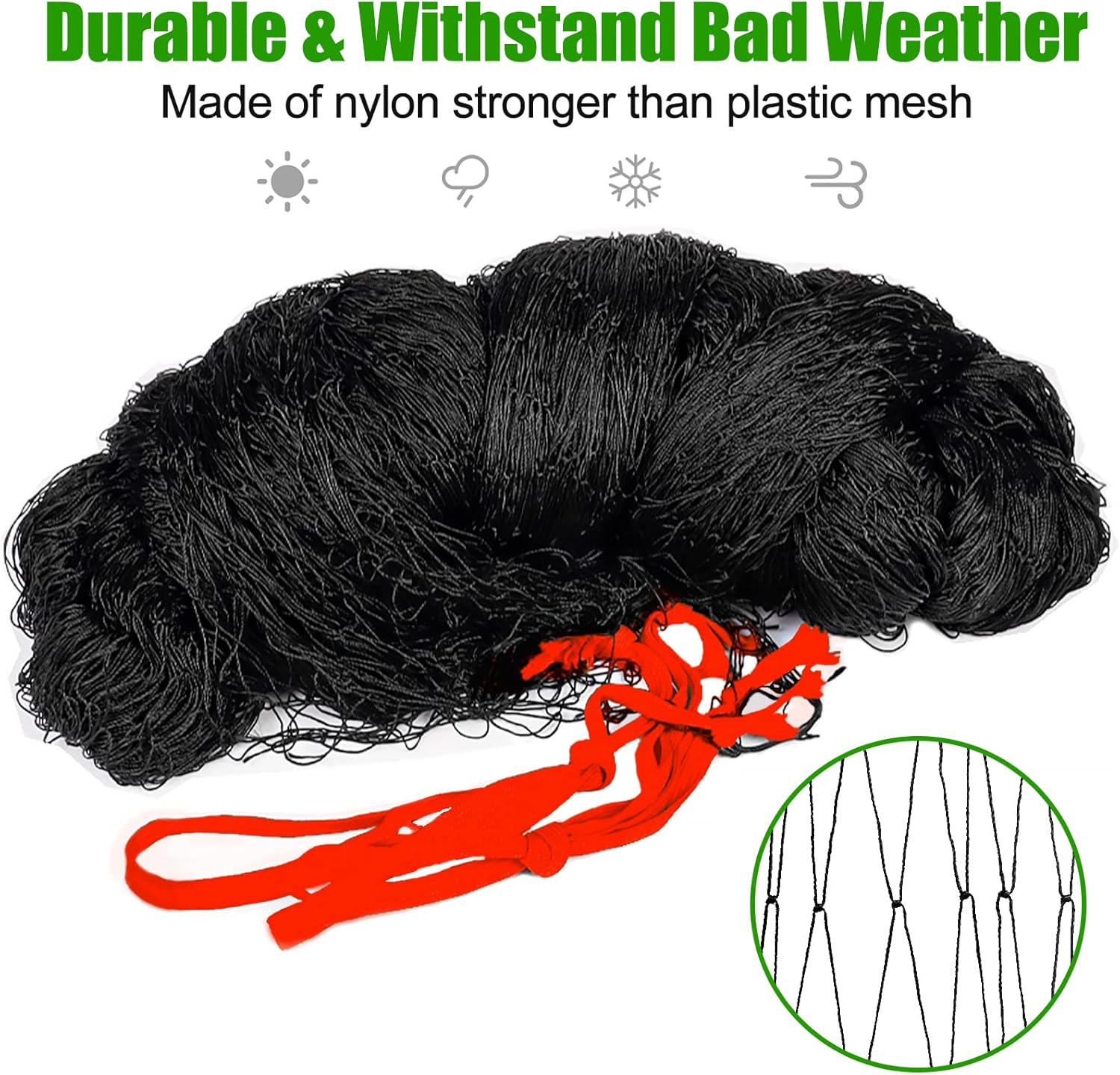
Hawk Netting for Chicken Coop
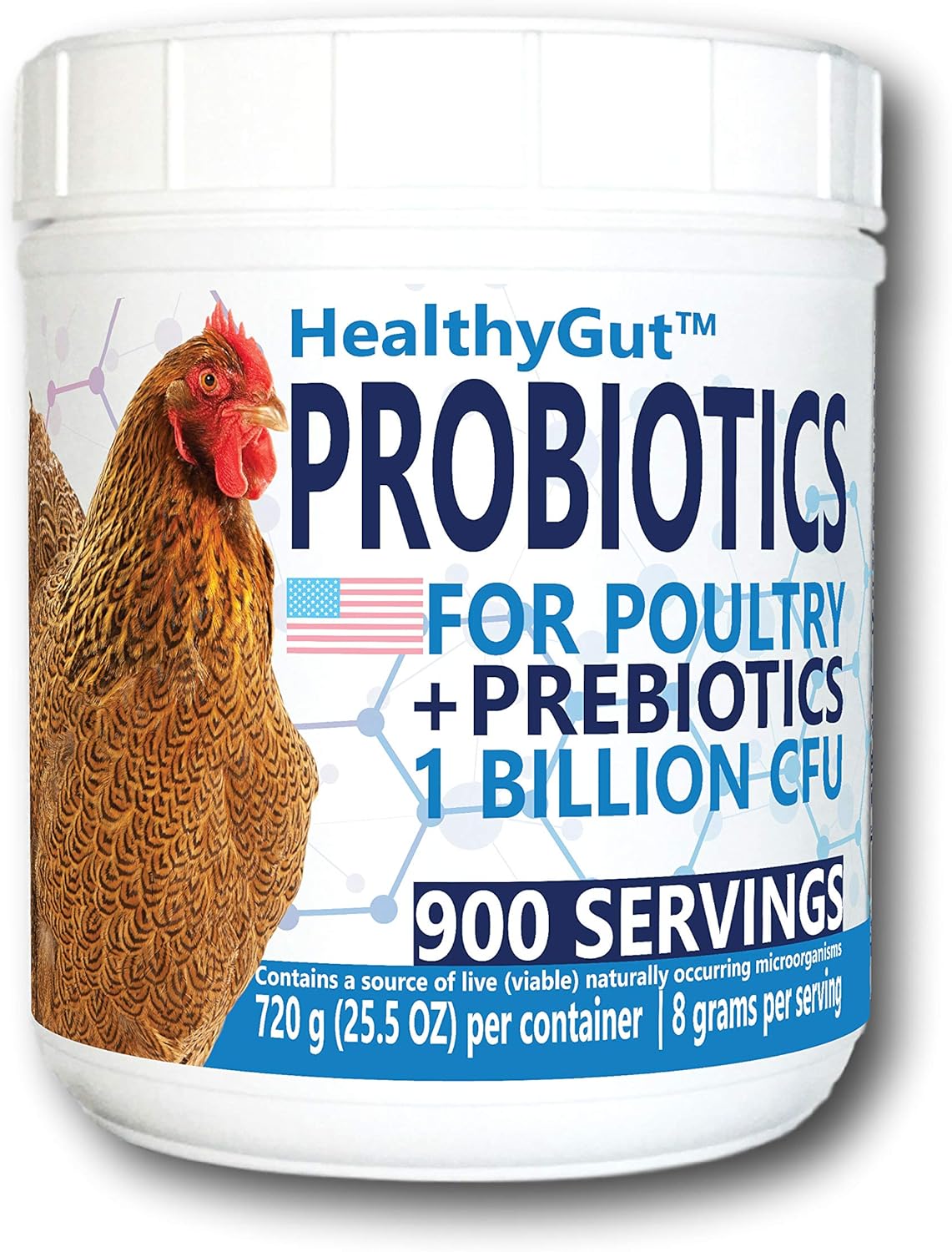
Probiotics for Chickens
Key Benefits of Alfalfa for Chickens
-
Rich Protein Source: Alfalfa typically contains 15% to 22% protein. This is excellent for supporting feather regrowth during molting and maintaining overall muscle mass.
-
Deep Orange Yolks: Alfalfa is high in xanthophylls (natural pigments). If you notice your egg yolks becoming a richer, deeper orange, that’s the alfalfa at work.
-
Omega-3 Fatty Acids: It helps boost the Omega-3 content in the eggs, making them slightly more nutritious for you.
-
Vitamin & Mineral Boost: It’s a powerhouse of Vitamin A (for immune health), Vitamin K (for blood clotting), and Calcium (for strong eggshells).
-
Fiber for Digestion: The high fiber content helps keep their digestive tract moving and can help prevent “vent picking” by keeping them occupied and satisfied.
Why Fermenting feed can be dangerous
In a perfect fermentation, the good bacteria produce lactic acid, which lowers the pH of the mixture and makes it too acidic for pathogens to survive. However, if the pH doesn’t drop fast enough or deep enough, dangerous bacteria can take over:
-
Salmonella and E. coli: These can thrive in lukewarm, wet grain before the acidity kicks in.
-
Botulism: Clostridium botulinum thrives in anaerobic (oxygen-free) environments, like the bottom of a deep, compacted bucket of wet feed. If botulism toxins develop, they can be fatal to chickens very quickly.
2. Mycotoxins and Mold
Mold is the most common failure in fermented feed. If the grain isn’t completely submerged in water, or if the environment is too humid, opportunistic molds like Aspergillus can grow. These molds produce mycotoxins that:
-
Cause respiratory distress.
-
Damage the liver.
-
Lead to “sour crop” or sudden death.
-
The Hidden Danger: Some toxins produced by mold are odorless and invisible; you might think the feed looks “fine” even when it’s becoming toxic.
3. Alcohol Fermentation (Yeasts)
If the balance shifts from bacterial fermentation to yeast fermentation, the sugars in the grain can turn into alcohol. Chickens have very small livers and a low tolerance for alcohol. Feeding them “boozy” grain can lead to ethanol poisoning or, at the very least, a disoriented flock that is more susceptible to predators and accidents.
4. Biofilm and “Slime”
Over time, the containers used for fermentation can develop a biofilm—a protective layer that shelters harmful bacteria from the acidic environment you’re trying to create. If the buckets aren’t scrubbed thoroughly between batches, you could be “seeding” every new batch with a colony of pathogens from the last one.