Should You Overseed Your Lawn in the Fall? A Complete Guide for Bermuda Grass
Direct Answer: Overseeding your Bermuda grass lawn in fall with cool-season ryegrass keeps your yard green all winter, but it requires extra maintenance and can stress your lawn come spring. The decision depends on your climate, budget, and how much you value year-round curb appeal.
Doc breaks down the pros and cons of fall overseeding for winter color. While a green lawn through the cold months sounds great, there are real trade-offs—including spring transition challenges, increased water usage, and potential damage to your Bermuda grass if done incorrectly. This guide covers everything you need to know about annual vs. perennial ryegrass, timing, fertilizers, and whether overseeding is right for your lawn.
Fall and Winter Overseeding Video
What Is Fall Overseeding?
Direct Answer: Fall overseeding is the practice of planting cool-season grass seed—typically perennial or annual ryegrass—over your dormant warm-season Bermuda grass to maintain a green lawn during winter.
When temperatures drop below 50°F consistently, Bermuda grass enters dormancy and turns brown. Overseeding introduces a cool-season grass that thrives in cooler temperatures, giving you an active, green lawn while your Bermuda rests. This technique is especially popular in USDA Zones 7–9 where winter dormancy is prolonged but the ground doesn’t freeze solid.
Pros of Overseeding Your Lawn in Fall
Direct Answer: The main benefits of fall overseeding include year-round green color, improved curb appeal, natural weed suppression, soil protection, and the ability to use your lawn for winter activities.
Year-Round Green Lawn
Overseeding with cool-season grasses ensures your lawn stays vibrant green during winter when Bermuda grass goes dormant and turns brown. No more looking at a dull, tan yard for months.
Improved Curb Appeal
A lush, green lawn enhances your home’s appearance, especially in neighborhoods where winter dormancy is noticeable. If you take pride in your lawn’s appearance, overseeding delivers.
Natural Weed Suppression
Dense cool-season grass can outcompete winter weeds like poa annua and chickweed, reducing or eliminating the need for herbicides during the cold months.
Soil Protection
Overseeding prevents soil erosion and compaction by maintaining active grass cover during winter. The root system of ryegrass holds soil in place through rain and wind.
Recreational Use
A healthy, green lawn allows for continued use in winter for activities like sports, gatherings, or simply enjoying your outdoor space instead of avoiding it until spring.
Cons of Overseeding Your Lawn in Fall
Direct Answer: The drawbacks include increased maintenance requirements, spring transition challenges, potential stress on Bermuda grass, higher water bills, and significant seed and labor costs.
Increased Maintenance
Overseeding requires additional mowing, watering, and fertilizing during winter months. Your “dormant” season suddenly becomes active lawn care season—increasing both time and cost.
Spring Transition Challenges
Cool-season grasses compete with Bermuda grass in spring, delaying its green-up and recovery. If not managed properly with proper timing and chemicals, you can end up with a patchy, thin lawn during the transition.
Potential Stress on Bermuda Grass
Improper overseeding or aggressive cool-season grasses can weaken Bermuda grass, especially if the lawn isn’t well-prepared. The ryegrass can choke out your Bermuda if left too long into spring.
Higher Water Usage
Cool-season grasses often need more water than dormant Bermuda grass, increasing water bills—especially problematic in dry regions or during drought restrictions.
Cost of Seed and Labor
Purchasing quality seed and preparing the lawn (aerating, dethatching, proper fertilizing) can be expensive—especially for larger lawns. This isn’t a “cheap trick” for winter color.
Choosing the Right Grass: Annual vs. Perennial Ryegrass
Direct Answer: Perennial ryegrass offers better quality, finer texture, and longer-lasting color but requires careful spring management. Annual ryegrass is cheaper and easier to transition out but looks coarser and dies out faster.
Doc emphasizes this choice matters:
- Perennial Ryegrass: Darker green, finer blades, better overall appearance. However, it’s more persistent and can compete aggressively with Bermuda in spring if not killed off properly.
- Annual Ryegrass: Coarser texture, lighter green, less expensive. Dies out naturally as temperatures rise, making spring transition easier—but it won’t look as polished.
When to Overseed: Timing Is Everything
Direct Answer: Overseed in early fall, 6–8 weeks before your first expected frost, when soil temperatures are between 50–65°F for optimal cool-season grass establishment.
Timing is critical:
- Too early: Ryegrass competes with actively growing Bermuda, weakening it before dormancy
- Too late: Seeds won’t germinate and establish before cold weather hits
- Sweet spot: When nighttime temps consistently drop to 50-55°F and Bermuda growth slows
Climate Considerations
Direct Answer: Fall overseeding is most beneficial in regions with cold winters where Bermuda grass dormancy is prolonged—primarily USDA Zones 7–9.
In warmer zones where Bermuda stays semi-active, overseeding may not be necessary. In zones where the ground freezes solid for months, the ryegrass may not survive anyway.
Doc’s Recommended Products for Overseeding Success
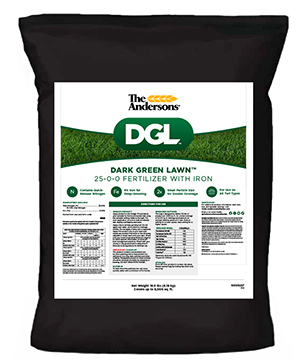
New – DGL Dark Green Lawn
All fast release 25-0-0 + 6% iron for quick green-up.
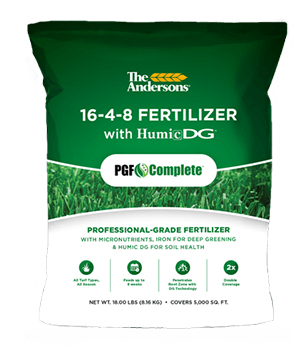
PGF Complete 16-4-8 Lawn Fertilizer
This is the main fertilizer for ALL lawns during the growing season—warm season and cool season lawns.
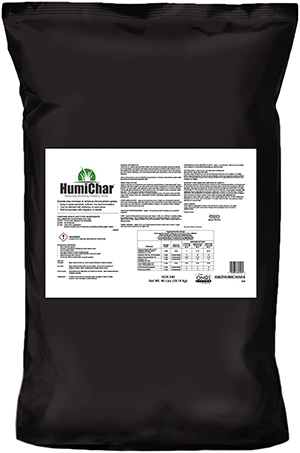
HUMICHAR
Should be applied to ALL LAWNS and can be applied as heavy and as often as you like. It contains NOTHING that can hurt your lawn and is a 50/50 mix of biochar and humic acid.
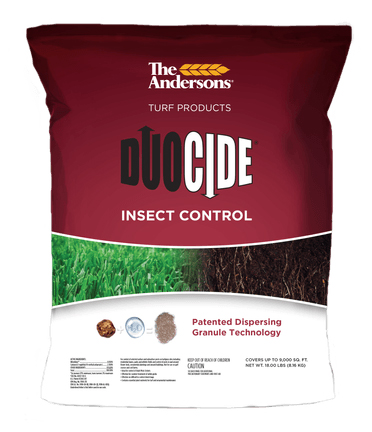
Killing Grubs and Army Worms with the Double Kill Doucide
Preventative products should be used in late summer. Killing products work best in spring. The product below can be applied anytime of year to kill grubs.
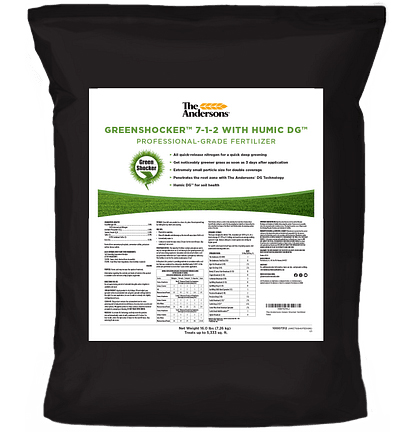
GreenShocker Fast Acting Granular
GreenShocker is a granular, all fast-release fertilizer supplement.
Dirt Booster Plus for Lawns and Gardens
Lawn ALIVE™

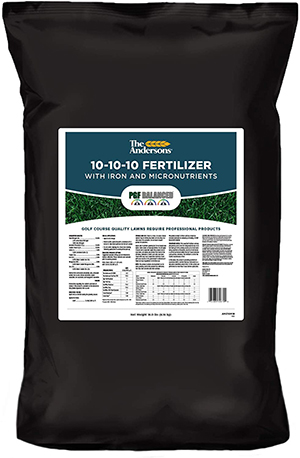
PGF Balance 10-10-10
A professional grade 10-10-10 with tiny particles, micro nutrients, and iron. Great first step for late winter.
Spray Bottles
BOTH BOTTLES ARE ON THIS LISTING
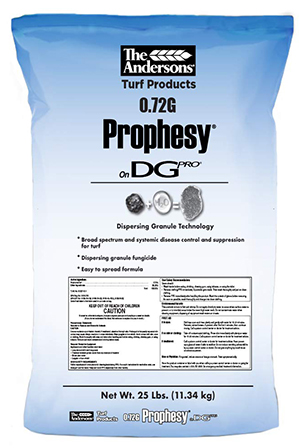
Granular Fungicide for Lawns
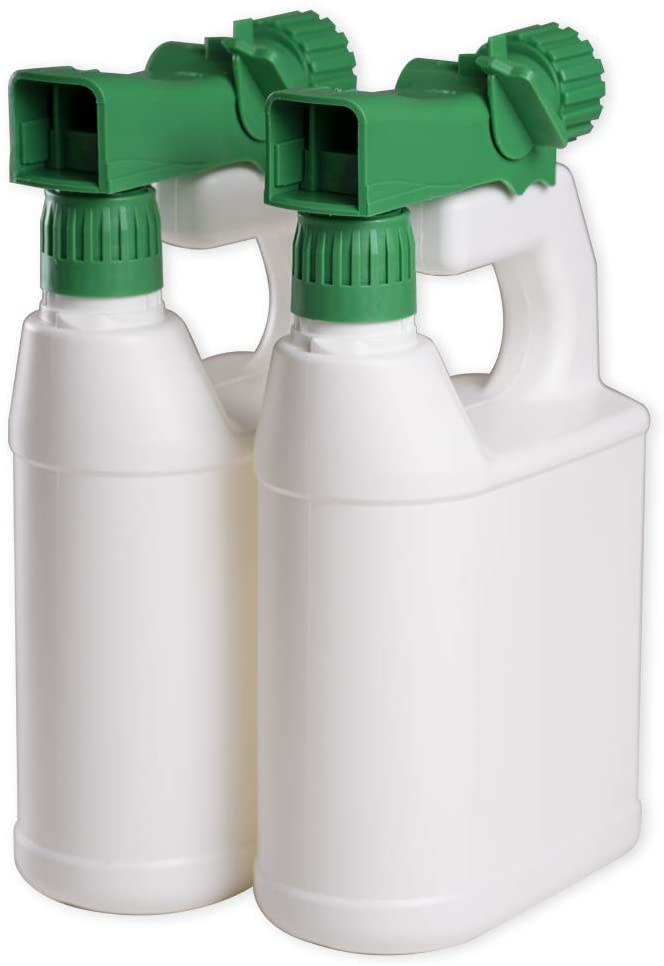
Lawn Hose End Spray Bottles
WARNING: Use only the 20:1 ratio bottles and do not pay more than $19 for TWO bottles. When out of stock, others will charge up to $40. Simply wait until they come back in stock from Andersons.
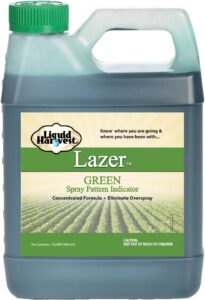
Green Dye Doc Uses
Use gloves and if you get it on your hands, wash with a bleach kitchen cleaner and soap to remove.
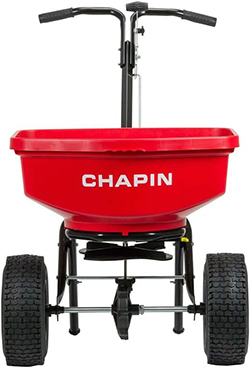
Large Spreader Used – Top Pick for 2024
Probably one of the best VALUES for a large spreader with huge wheels.
Free Lawn Care Guides
Click the picture below and select the guide you need:

Final Verdict: Should You Overseed?
If you’re considering overseeding, weigh the aesthetic benefits of a green winter lawn against the added maintenance, costs, and potential stress on your Bermuda grass. For some homeowners, the year-round beauty is worth the effort. For others, letting Bermuda rest naturally and focusing on a strong spring green-up makes more sense.
Doc’s advice: If you do overseed, do it right—with proper timing, quality seed, and the right fertilizers. Cutting corners leads to problems in spring when your Bermuda struggles to recover.
For more lawn care tips and Bermuda grass care advice, follow @howtowithdoc on Instagram.