Powering Your Home: The Hybrid Generator and Power Station Setup
When the grid goes down, having a solid backup power plan isn’t just about comfort—it’s about keeping your household running smoothly. In this guide, I’ll walk you through a highly efficient hybrid setup: connecting a Petron f5000 power station directly to your house, and using a small gas generator to keep it topped off.
Pccron F5000
DISCOUNT CODE IS → DOCF5000

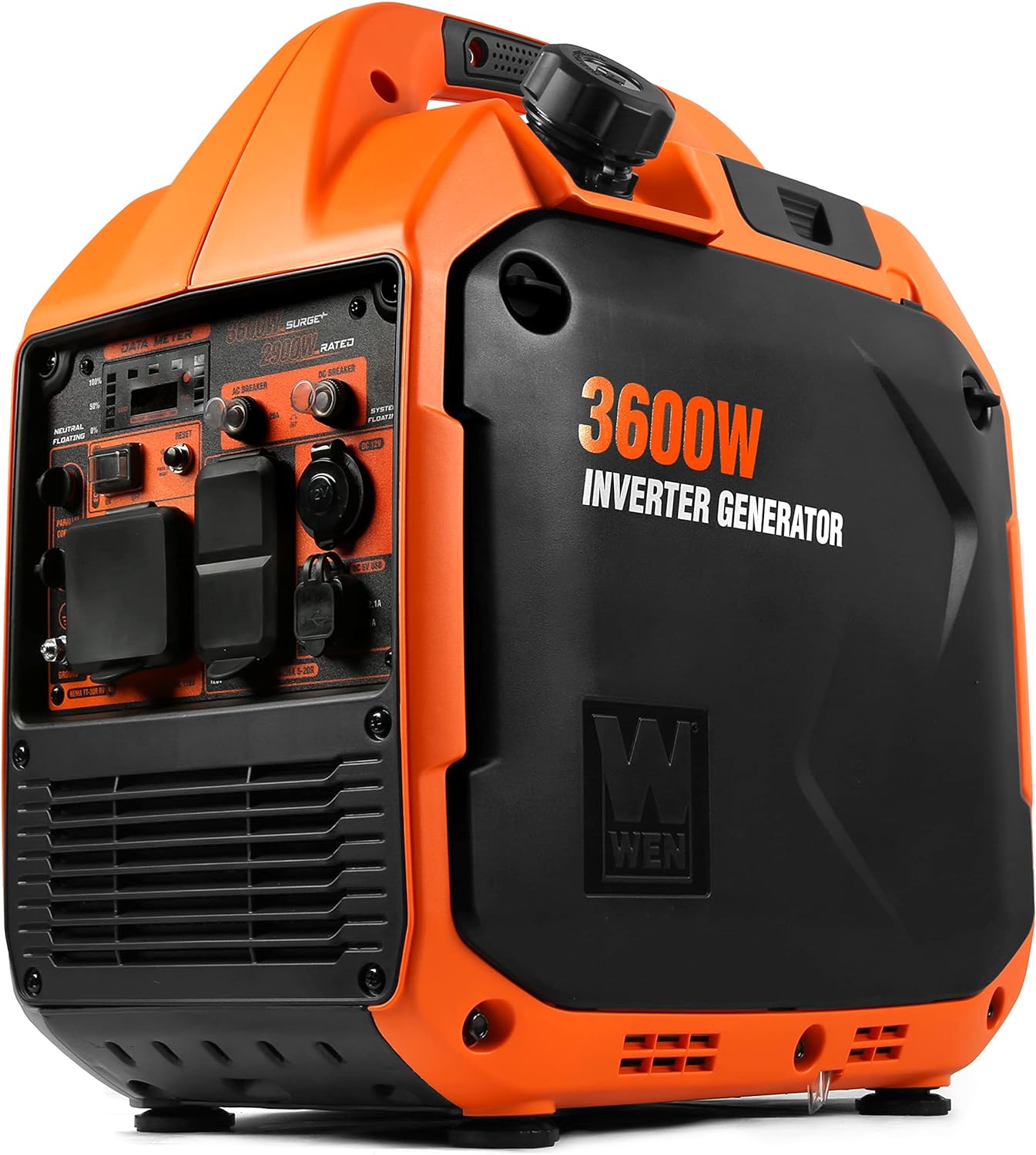
Small Inverter Generators
Make sure it has an ECO switch
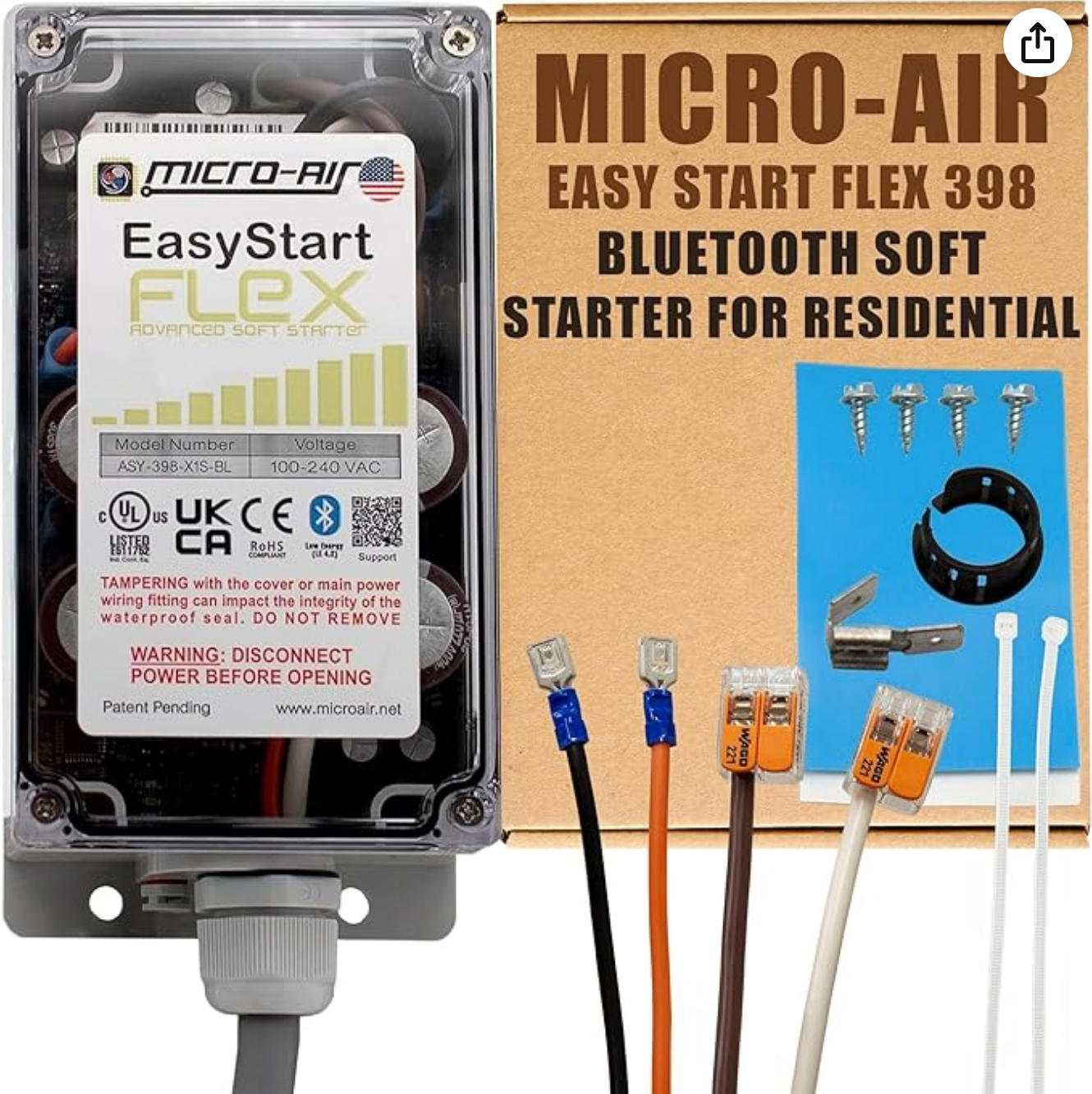
Soft Start for HVAC
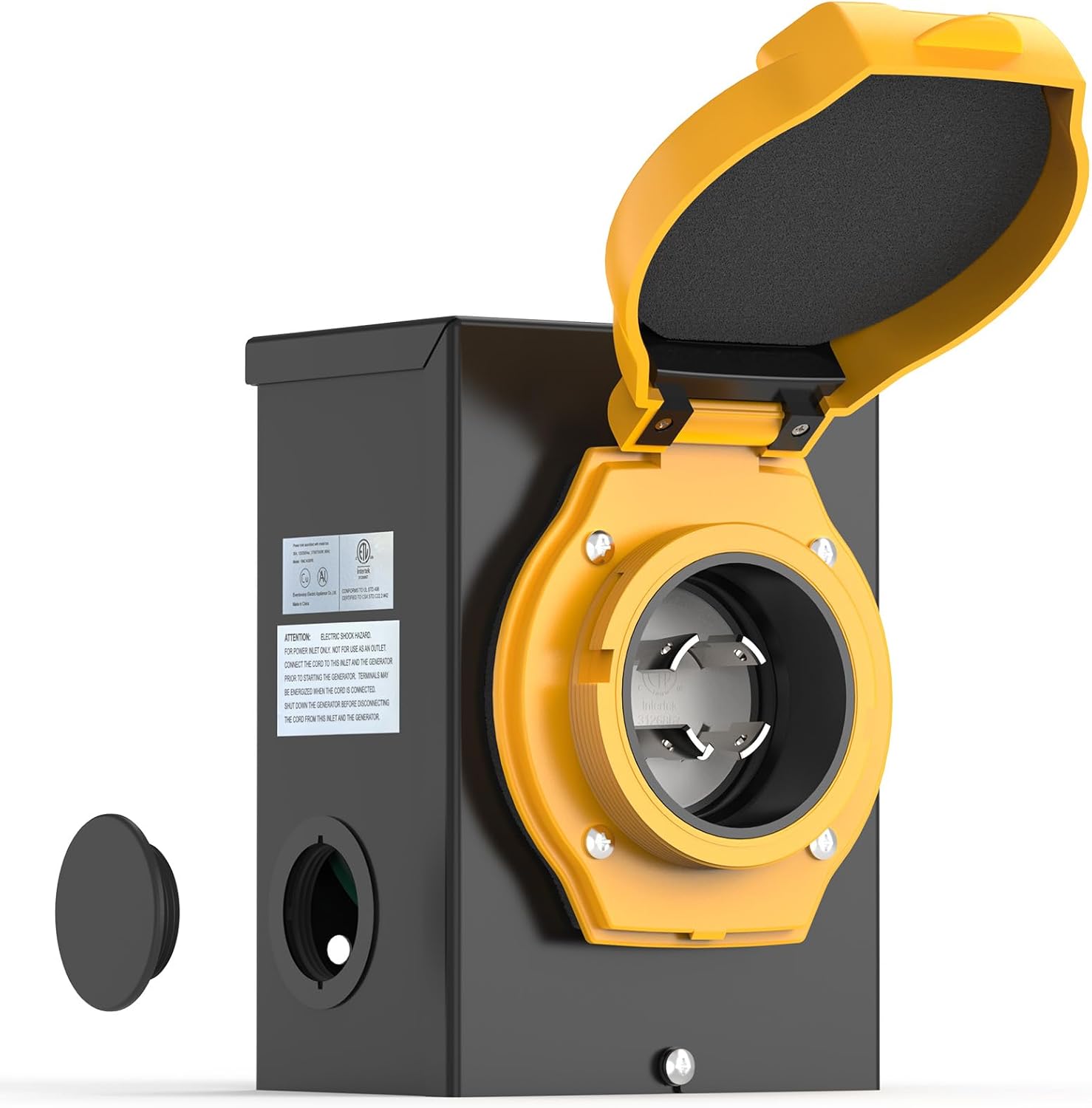
Whole House Generator Plug
The Setup: Petron f5000 Meets the Whole-House Plug
Here is how the system works. We are taking the Petron f5000 unit and plugging it directly into the house via a standard whole-house generator inlet. This allows the power station to feed your breaker panel, outputting a massive 7200 watts to power your circuits.
But running 7200 watts can drain a battery bank quickly if you aren’t careful. The secret to continuous off-grid power is to connect a small, highly fuel-efficient inverter generator directly to the Petron f5000’s charging input. The small generator acts as a continuous battery charger, gently sipping fuel while the Petron unit handles the heavy, fluctuating power demands of the house. You get the massive 7200-watt output capacity of the power station without burning through huge amounts of gas.
Load Management: What to Run and What to Skip
Even with 7200 watts on tap, you have to practice smart load management. Here is a breakdown of what you should and shouldn’t power during an outage:
- What to Run: Refrigerators and deep freezers (to save your food), internet routers, LED lights, TVs, device chargers, and small kitchen appliances like a microwave or coffee maker (run these one at a time).
- What to Skip: High-draw resistive heating elements. Leave the electric water heater, electric clothes dryer, and electric oven turned off at the breaker panel. These will drain your system incredibly fast and can easily overload your inverters.
The Full-Size HVAC Dilemma
One of the biggest questions I get is, “Can I run my central AC with this setup?”
While the Petron f5000 has a ton of output, trying to run a full-size HVAC unit can be risky. The issue comes down to the power delay inherent in power stations. When a massive central AC compressor demands its initial startup surge (Locked Rotor Amps), the slight delay from the power station’s inverter trying to instantly provide that massive load can negatively impact the HVAC system. This lag can cause faults, trip the system, or lead to damaging hard starts.
The better solution? Keep your central HVAC off at the breaker and run small window AC units instead. They draw a fraction of the power, don’t have massive startup surges, and allow you to cool a master bedroom or living room safely and efficiently.
General Power Outage Tips
- Pre-cool or pre-heat your house: If you know a major storm is coming, adjust your thermostat a few degrees ahead of time to build up a temperature buffer.
- Stagger your heavy loads: Don’t start the microwave, a window AC, and a well pump at the exact same time. Let one appliance cycle on before starting another.
- Test your setup early: Don’t wait for the grid to drop to figure out your wiring. Do a dry run to ensure your generator inlet, transfer switch, and Petron unit all communicate perfectly.
With this hybrid setup, you can stretch a small amount of fuel over several days while keeping the most critical parts of your home fully functional.