

Protect Your Home and Solar System Against Lightning
When we talk about “lightning protecting” a home solar or backup power system, most people think about circuit breakers. But if a lightning strike hits nearby or an EMP event occurs, those breakers are essentially standing still while the damage races past them. To truly harden your system, you have to move from “standard electrical” thinking to “high-speed protection” thinking. In this video Doc explains how to protect your home and solar systems from lighting strikes
Lightning Protection Video
Products
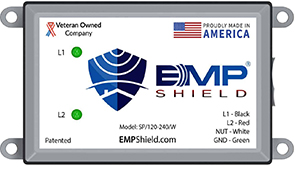
EMP Shield
There is a HOME version for your panel, and there are versions for your AUTO and DC for your Solar equipment. If you have more than one PV solar input make sure you order the one with multiple leads.
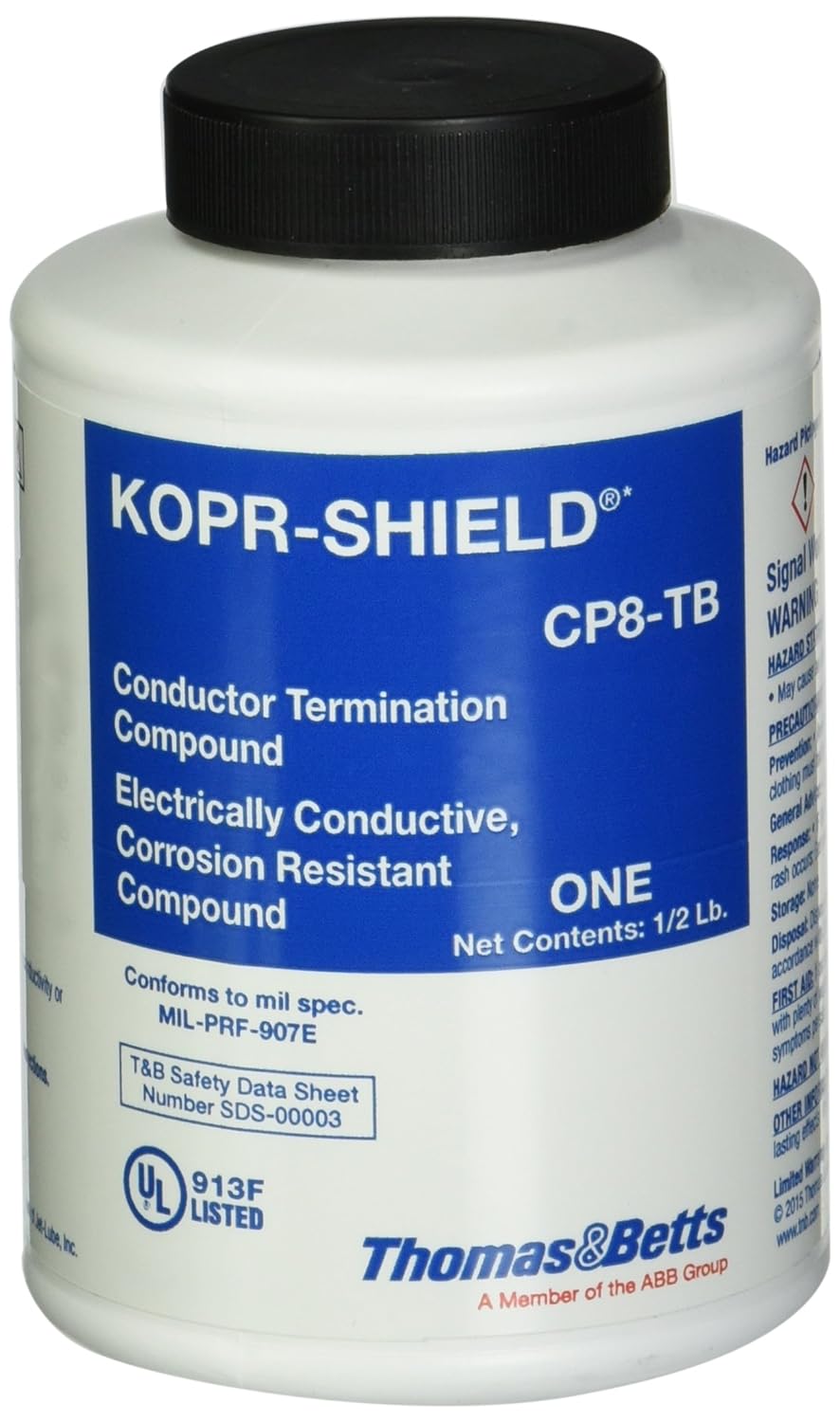
Ground Rod Corrosion Gel
Heavy 6 AWG ground wire
1. The Need for Picosecond Response
The primary difference between a $10 power strip and a professional-grade EMP Shield is speed. A lightning strike or an EMP generates a massive surge of electricity in a fraction of a second. Standard surge protectors often react in milliseconds—which sounds fast, but in the world of high-energy transients, it’s far too slow. You need a device capable of shunting that energy to the ground in picoseconds to save your inverter and battery banks.
2. The Danger of Multiple Ground Rods
A common mistake in DIY solar is having “isolated” ground rods. If your house has a ground rod, your shed has a ground rod, and your solar array has its own, you’ve created a potential disaster. During a strike, the earth’s voltage can vary between those two points. This “voltage differential” will search for a path to equalize, often traveling right through your expensive data cables or power lines.
The Fix: All ground rods must be bonded together (connected with a heavy-gauge copper wire) to ensure your entire property maintains the same electrical potential.
3. Clean Connections: The Secret to Longevity
Grounding is only as good as the physical connection to the rod. Because these systems sit outside, oxidation is your enemy. When installing the green wire from an EMP Shield or the ground cord from a combiner box, you must ensure a metal-to-metal bond. Using a compound like Kopr-Shield prevents corrosion and ensures that when a surge hits, the resistance is low enough for the energy to exit into the dirt rather than your equipment.
4. Hardening Your “Off-Grid” Security
Whether you are prepping for a worst-case scenario or just protecting a significant investment, the goal is the same: redundancy. By combining a unified grounding grid with high-speed shunting devices, you create a “hardened” system that can survive the unpredictable nature of atmospheric electricity.
