

How to Keep Chickens Cool in the Summer: Science-Based Strategies
When the summer heat hits, backyard chicken keepers often scramble for solutions. You’ll see endless social media posts recommending frozen fruit or water misters. However, if you look at avian physiology and thermodynamic research, many of these “common sense” tips are actually counterproductive.
To keep a flock healthy and productive in 90°F+ weather, you need to focus on convective cooling and radiant heat blocks. Here is the professional-grade approach to summer poultry management.
Keep Chickens Cool Video
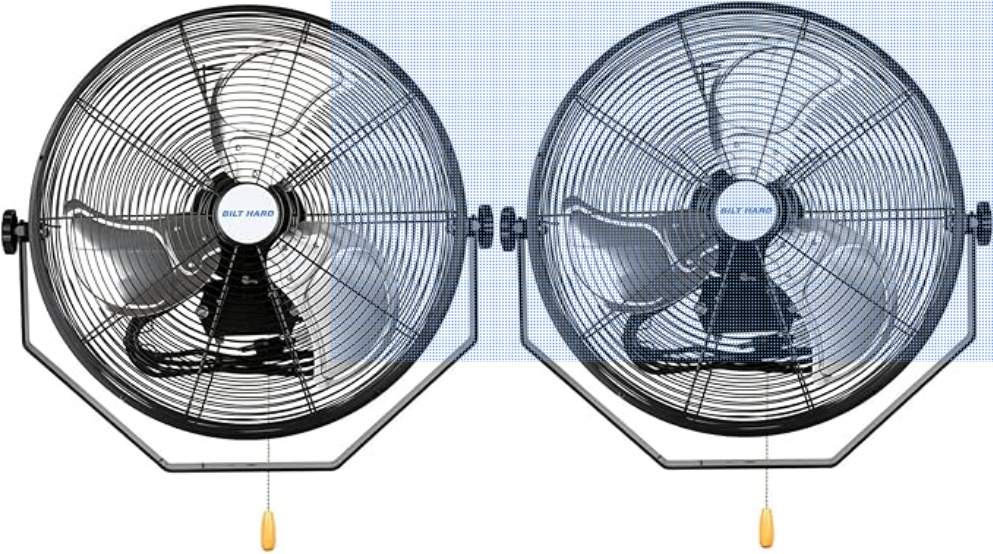
High Power Fan
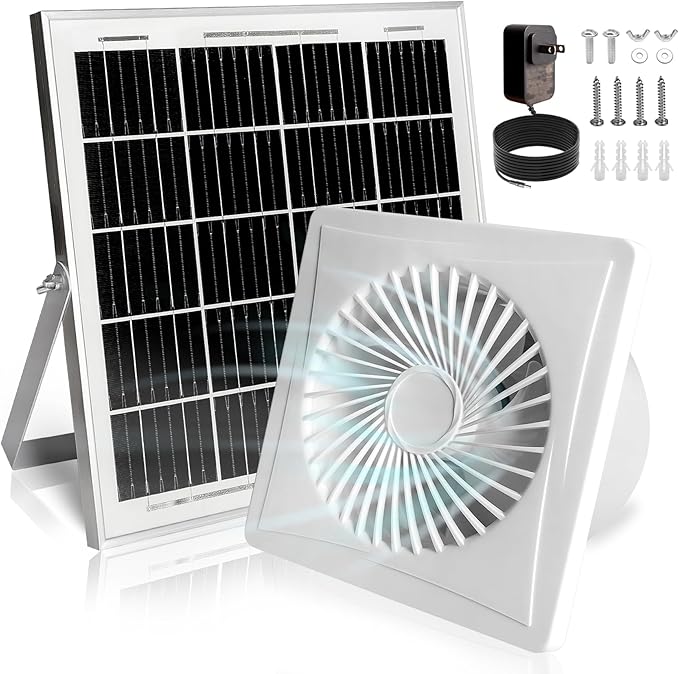
Solar Coop Fan
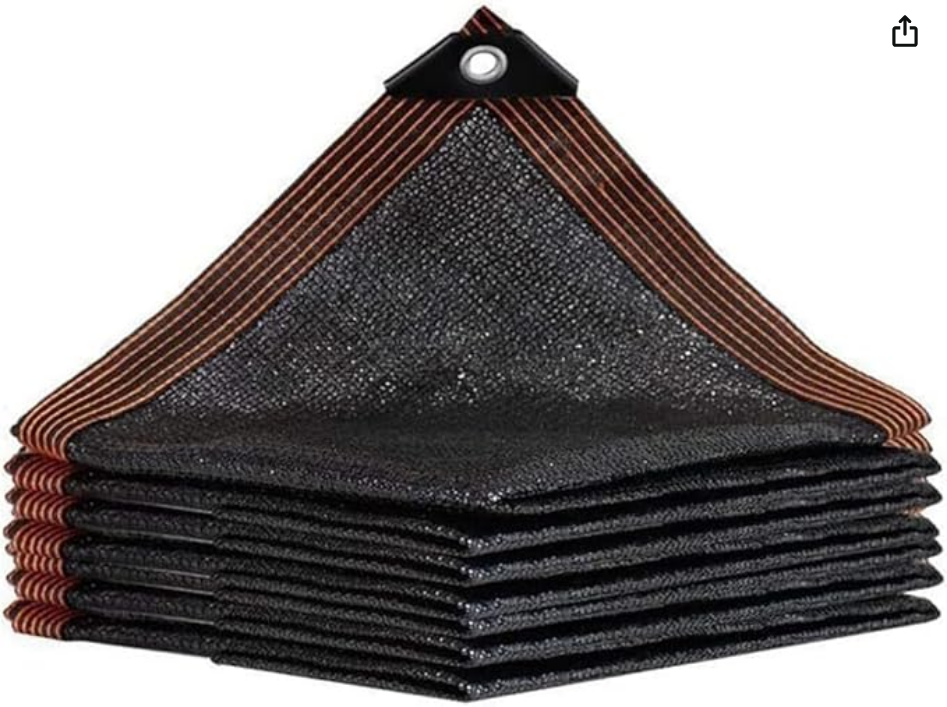
Shade Cloth
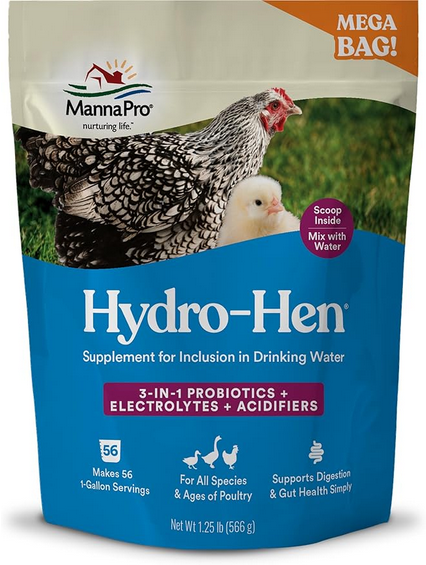
Electrolytes For Chickens
1. Shade Cloth: Beyond the Standard Tarp
Most keepers make the mistake of using solid plastic tarps for shade. While tarps block the sun, they also trap a “hot air pocket” underneath them, effectively baking your birds in a stagnant environment.
-
The Solution: Use 70% to 90% UV-rated shade cloth.
-
Why it works: Shade cloth is a mesh. It blocks the physical radiation from the sun while allowing hot air to rise and escape through the fabric. This creates a micro-environment that can be 10–15 degrees cooler than the surrounding air.
2. Air Velocity and Convective Cooling
Chickens do not have sweat glands. They rely almost entirely on panting (evaporative cooling) and convective cooling (heat leaving the skin via moving air).
-
The Strategy: High-velocity fans are non-negotiable in stagnant heat.
-
Placement: Fans must be positioned at the “bird level.” Moving air above the birds does nothing for their core temperature. You need to break the “boundary layer” of heat trapped within their feathers to allow their bodies to dump heat efficiently.
3. The “Watermelon Myth” and Metabolic Heat
It is a common sight: chickens pecking at a giant frozen watermelon in the July sun. While it looks refreshing, it presents a biological challenge called diet-induced thermogenesis.
-
The Science: The act of digesting high-calorie or high-sugar treats generates internal metabolic heat. When a chicken’s body is already struggling to stay cool, the “internal furnace” of digestion can push them into heat stroke.
-
A Better Way: Limit treats during the heat of the day. If you must provide hydrating snacks, do so in the late evening when the ambient temperature is dropping. Stick to cool, fresh water with added electrolytes to combat respiratory alkalosis caused by heavy panting.
4. Why You Should Avoid Water Misters
In humid environments (like the Southeast US), misters can be a death sentence for poultry.
-
The Humidity Trap: Chickens cool themselves by evaporating moisture from their respiratory tract. If the air around them is saturated with 90% humidity from a mister, their panting becomes physically incapable of cooling them.
-
Feather Matting: If misters get the feathers wet, the feathers lose their “loft” and ability to circulate air near the skin, essentially insulating the bird and trapping heat.
-
Pathogen Growth: Moisture combined with heat creates a breeding ground for ammonia and coccidiosis in the litter.
5. Proven Alternatives: Foot Wading
If you want to use water to cool your birds, focus on their feet. Chickens have a complex network of blood vessels in their legs and feet. A shallow (1-inch) pan of cool water allows them to stand and dump heat directly into the water via conduction without raising the humidity of the air they are breathing.
Summary Checklist for a Cool Coop:
-
Swap tarps for high-quality shade cloth.
-
Position fans to blow directly across the birds.
-
Prioritize electrolytes over sugary frozen treats.
-
Keep litter dry to avoid respiratory stress and humidity spikes.
By focusing on air velocity and reducing metabolic stress, you can keep your hens laying and healthy all summer long without relying on “feel-good” myths.