Prepping and Security Products

Products – NOTE… we use affiliate links which generate us a small income at no cost to you. 100% of this income is used for our seasonal help program and allows us to hire local people needing work. We appreciate you using these links. Doc
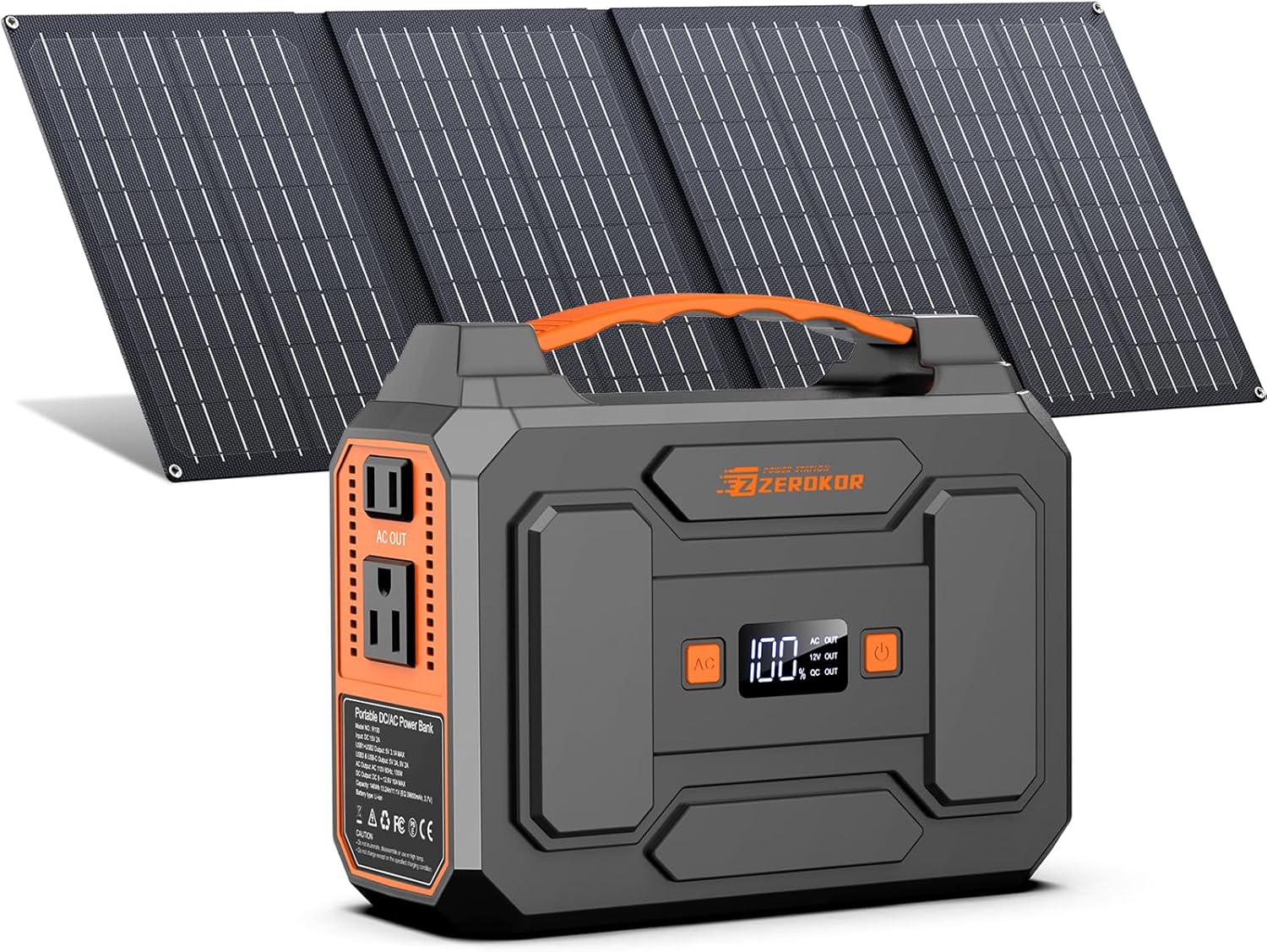
Small Budget Battery with Solar Panel
Great for charging cell phones and laptops. The 120v plug should only be used for SMALL items like laptops.
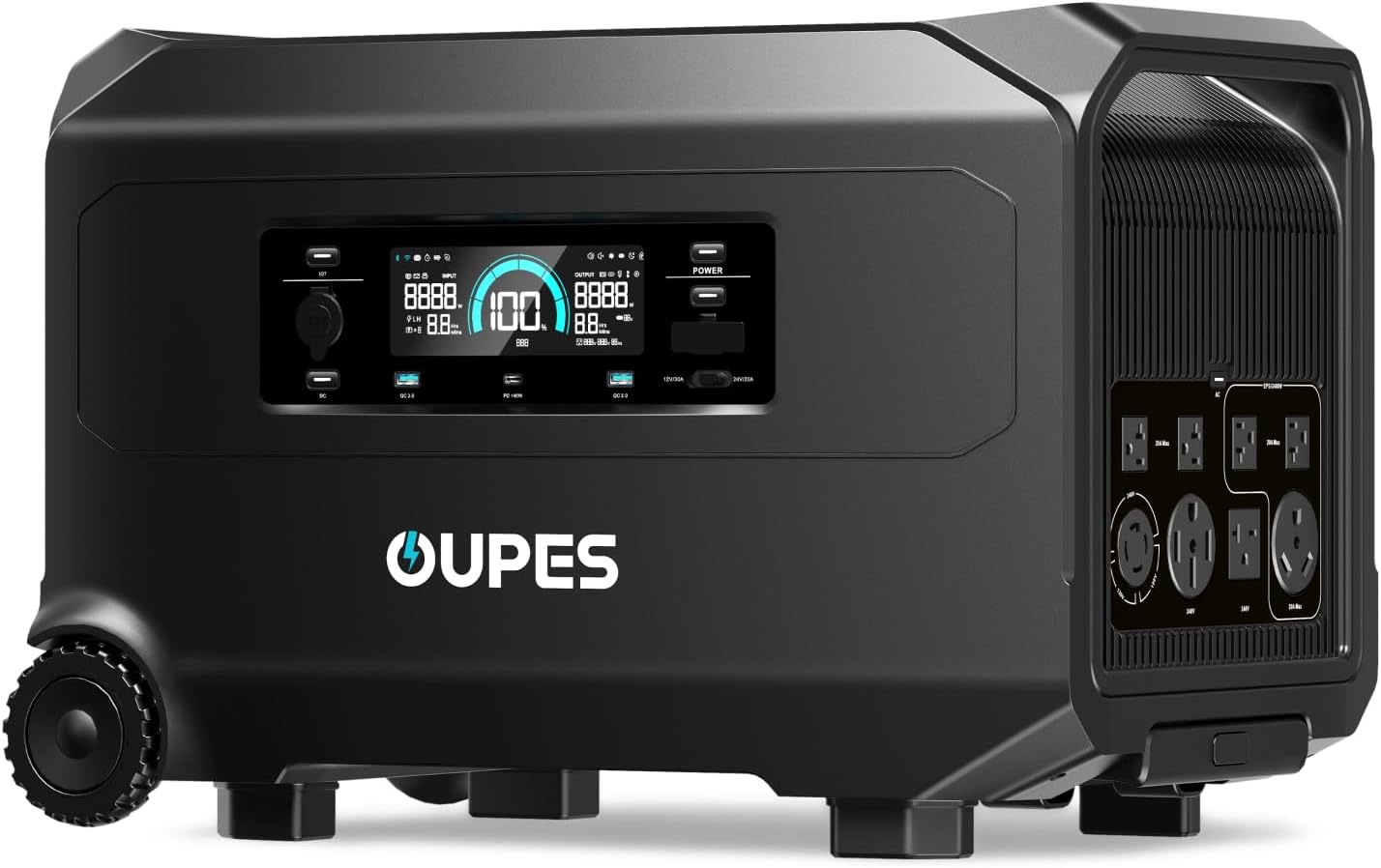
Doc’s #1 choice for VALUE in a battery backup.
This is a BIG backup battery that produces both 120 volt and 240 volt. 4000+ watts in the battery storage and an output of 6000 watts. For the money, there’s really nothing that compares. Can be charged through a wall outlet, 2000 watts of solar, or a small generator. PRO-GRADE POWER DELIVERY with 120V/240V dual voltage capability powers everything from sensitive electronics to heavy-duty tools and home appliances with 6000W continuous output (7200W boost, 9000W surge). If you have a WELL PUMP… you need this unit and it’s power.
Use the code “DOC” when checking out. $1697
CLICK THE PICTURE
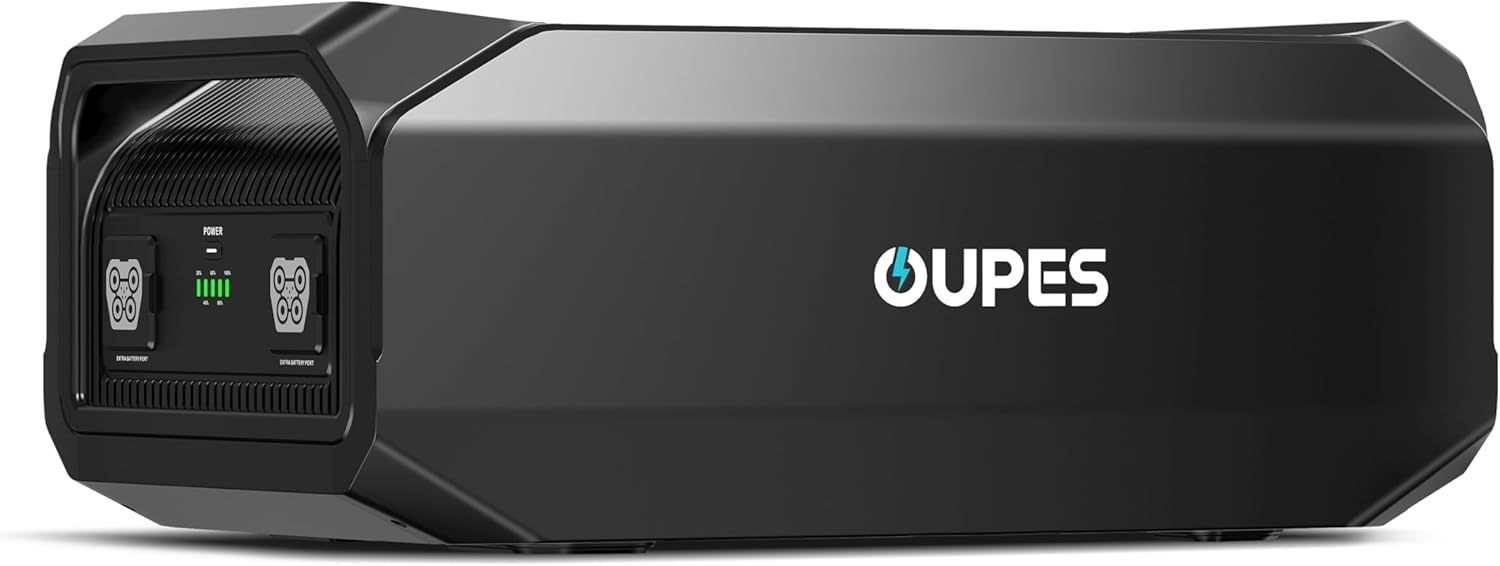
Extra Battery for the above is Listed on the same page
SEAMLESS CAPACITY EXPANSION instantly doubles your Guardian 6000’s runtime with 4608Wh of additional LiFePO4 battery capacity through simple plug-and-play connection. Adding this give you 9000+ watt-hours of storage.
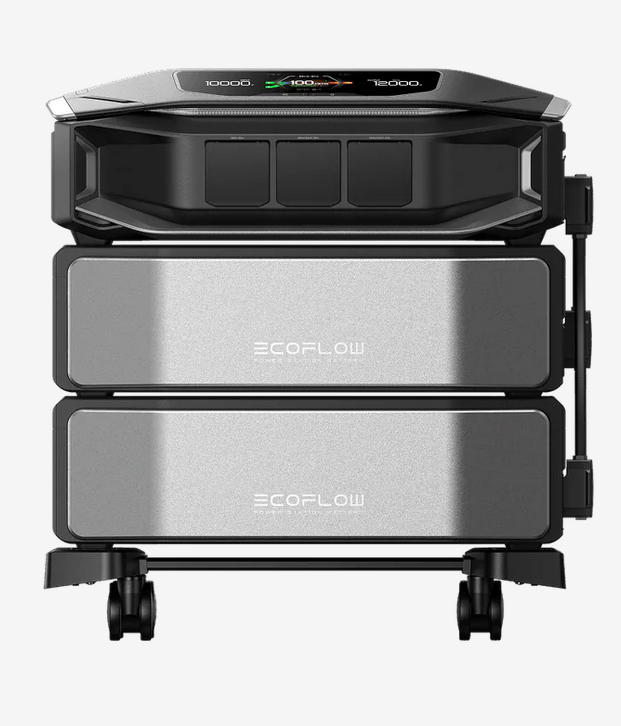
Top Rated System – EcoFlow DPUX
For those wanting to expand with LARGE solar panels and higher capacity batteries / off-grid type setups, we recommend the EcoFlow DPUX. Doc owns this unit, and it performs very well and can handle LARGE solar inputs.
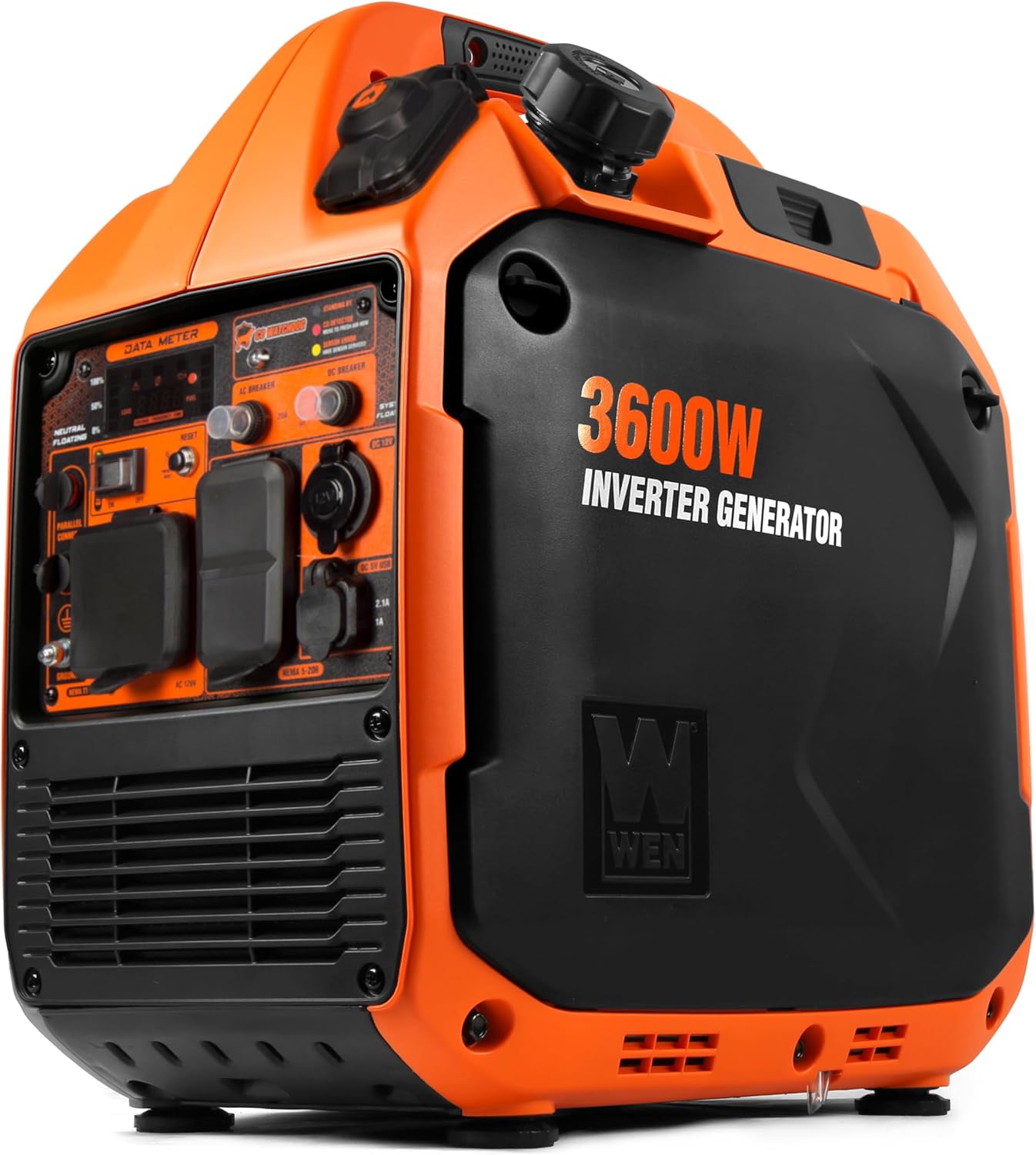
Best DUAL FUEL -Fuel Miser generator with an RV plug outlet.
We like this generator because it has an RV plug that can be connected to your home panel in “miser mode” running 120 outlets.
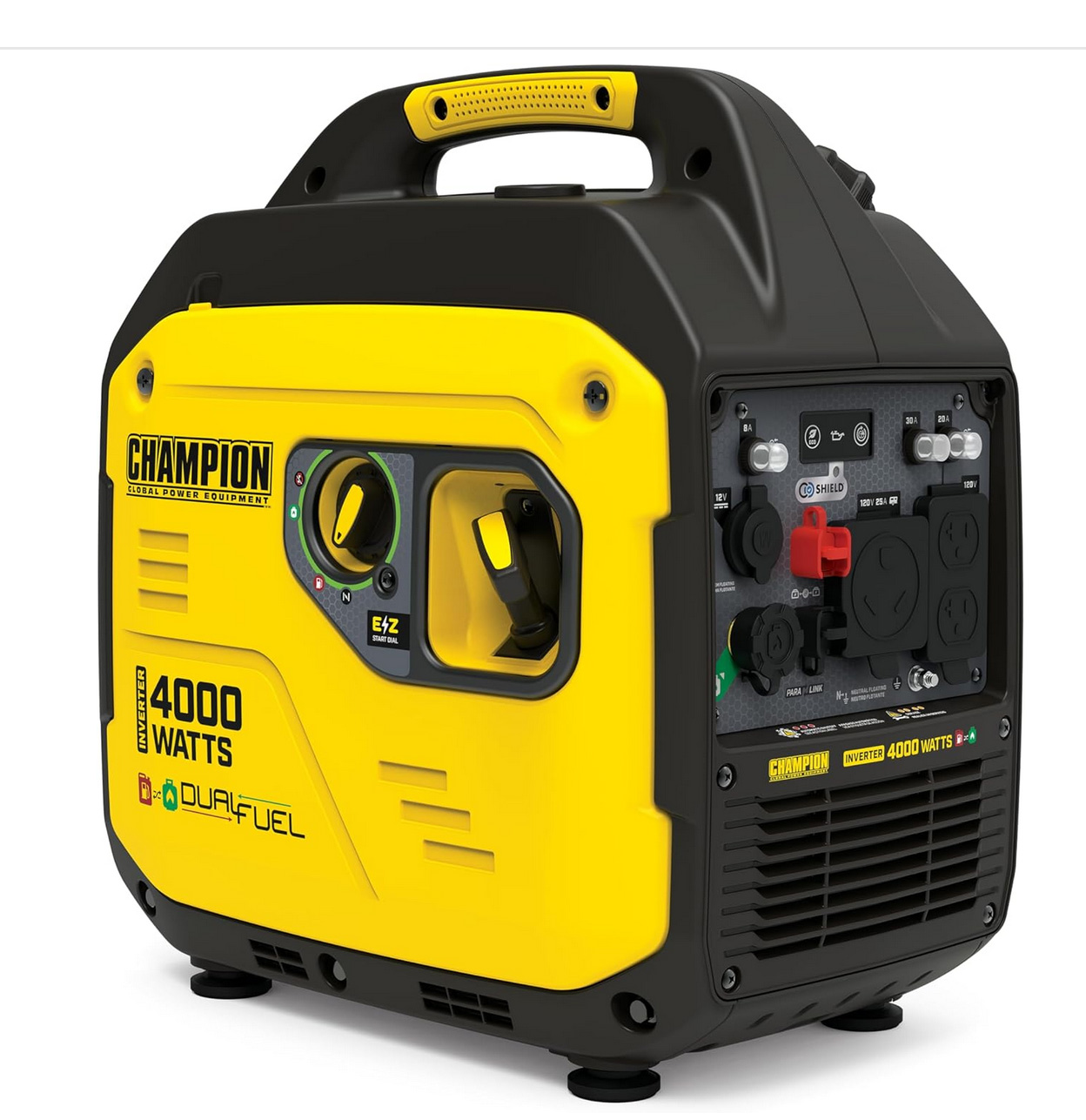
Option #2 the Champion 4000 watt dual fuel
Great fuel economy up to 8-10 hours on 1.5 gallons with up to 4000 watts and an RV plug which is critical for miser mode.
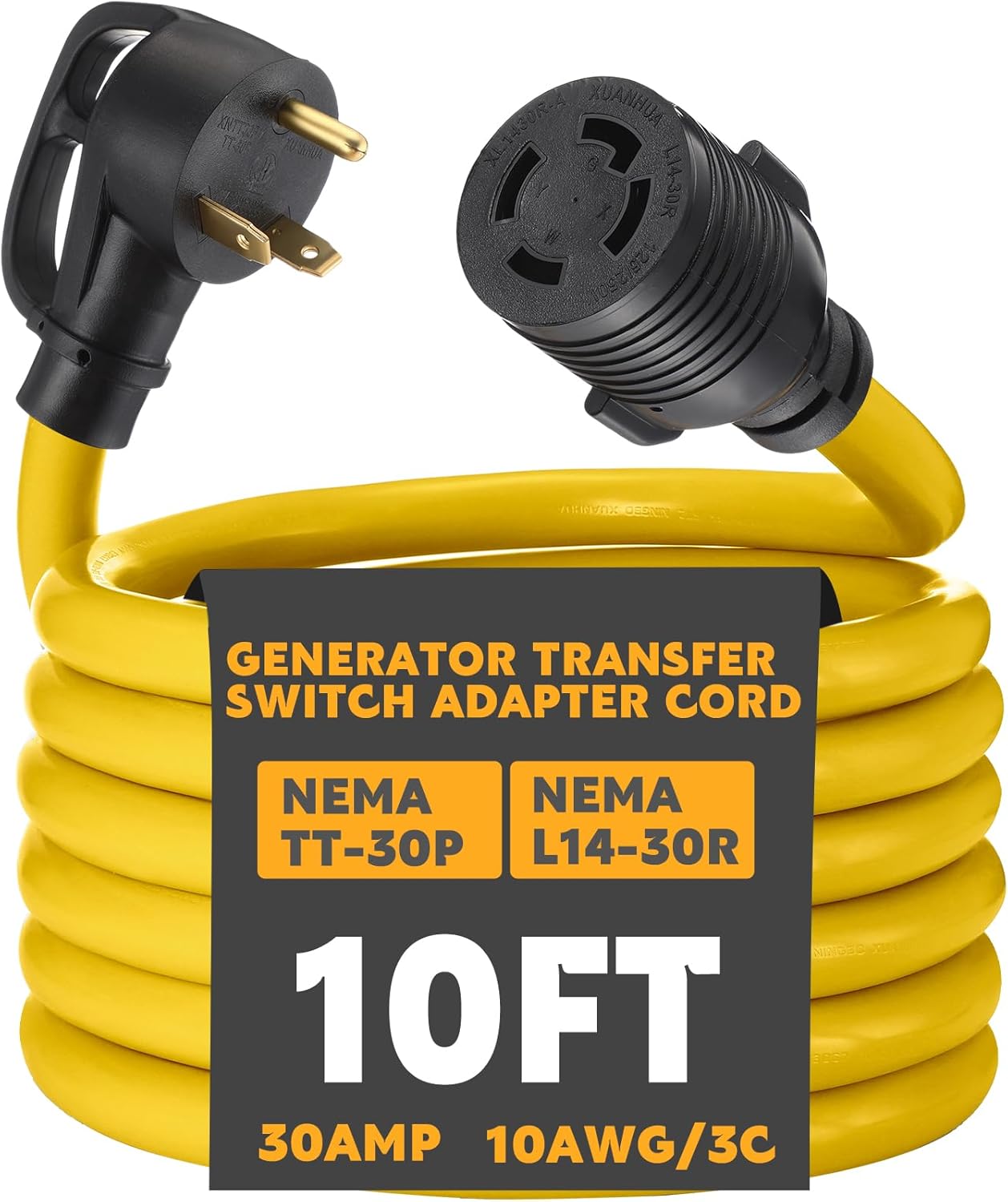
Conversion Cord RV to 4 Prong that Doc shows
Use this for MISER mode. Turn off your 240 circuits and only run 120.
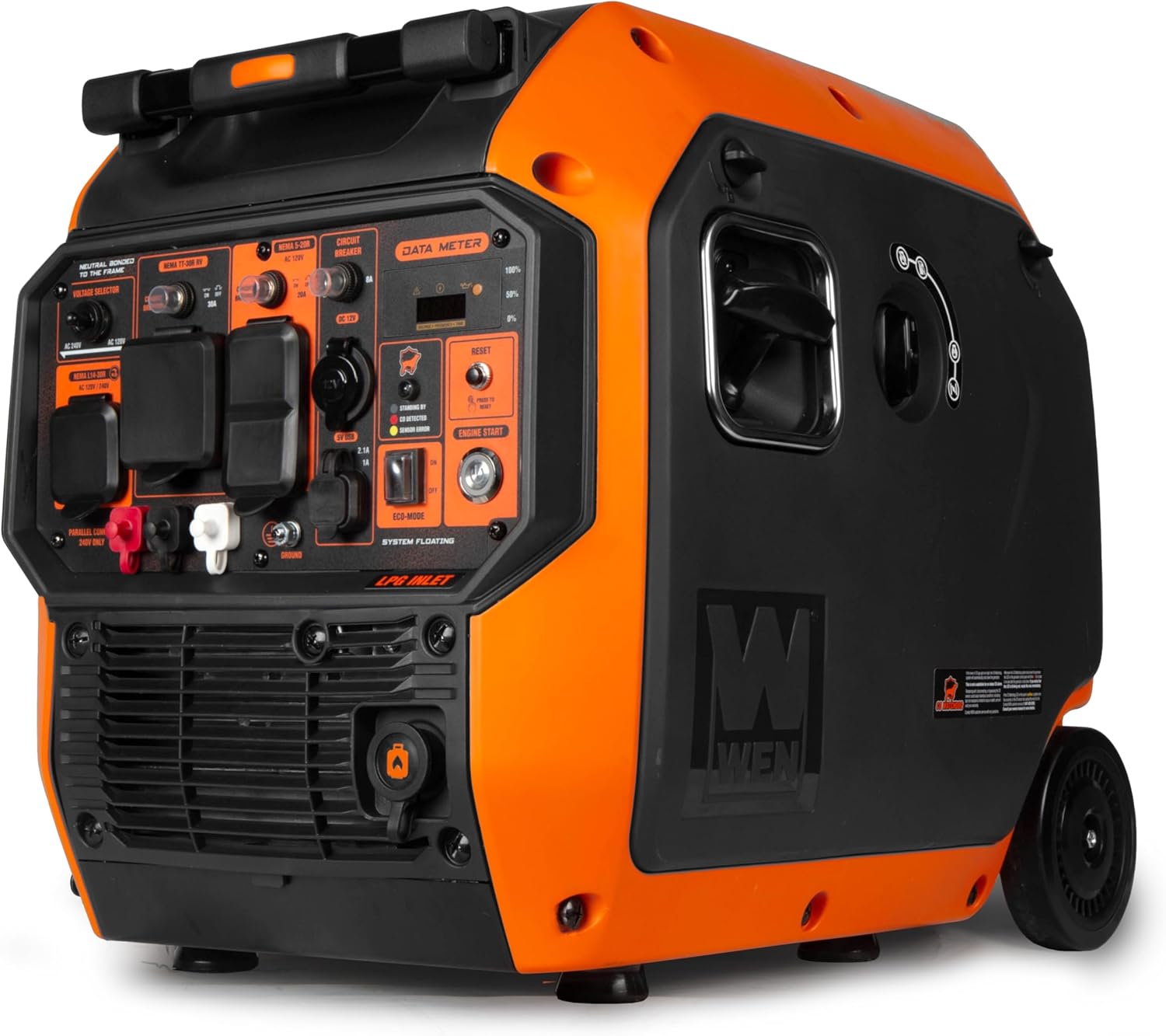
Top Pick for FUEL EFFICIENT 240 volt Generator
The 3 gallon gas tank on this unit will give you roughly 6-8 hours of run time in ECO MODE.
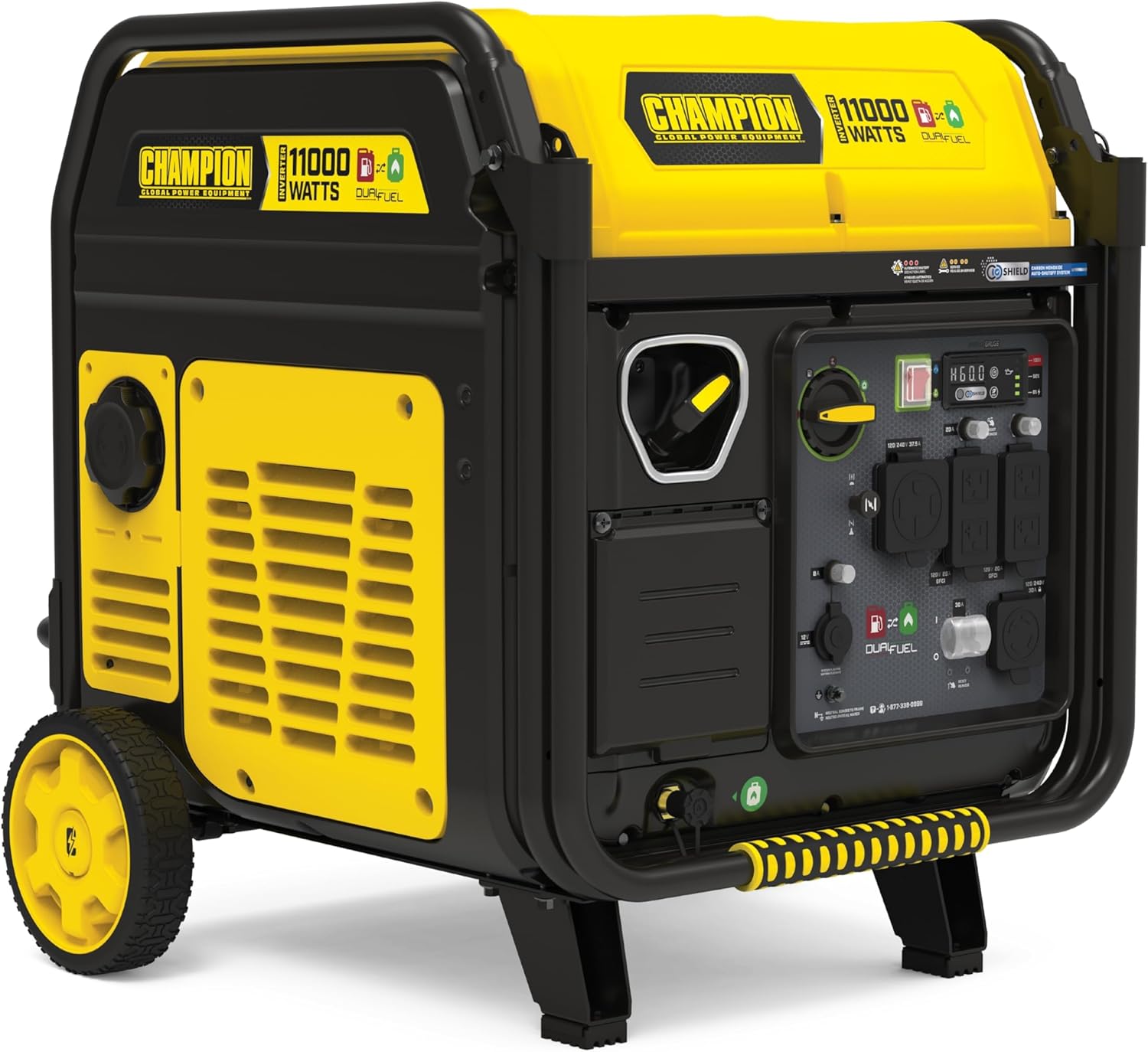
Docs Top Pics for LARGE Dual Fuel Generator / Whole House
There is a video → HERE showing how to UN-BOND this unit if you plan to connect it to your home panel. Any generator that feeds into your home panel should be unbonded or floating neutral. WARNING… this is a BIG 200lb generator. You will need a dolly to move it and comes shipped via freight.
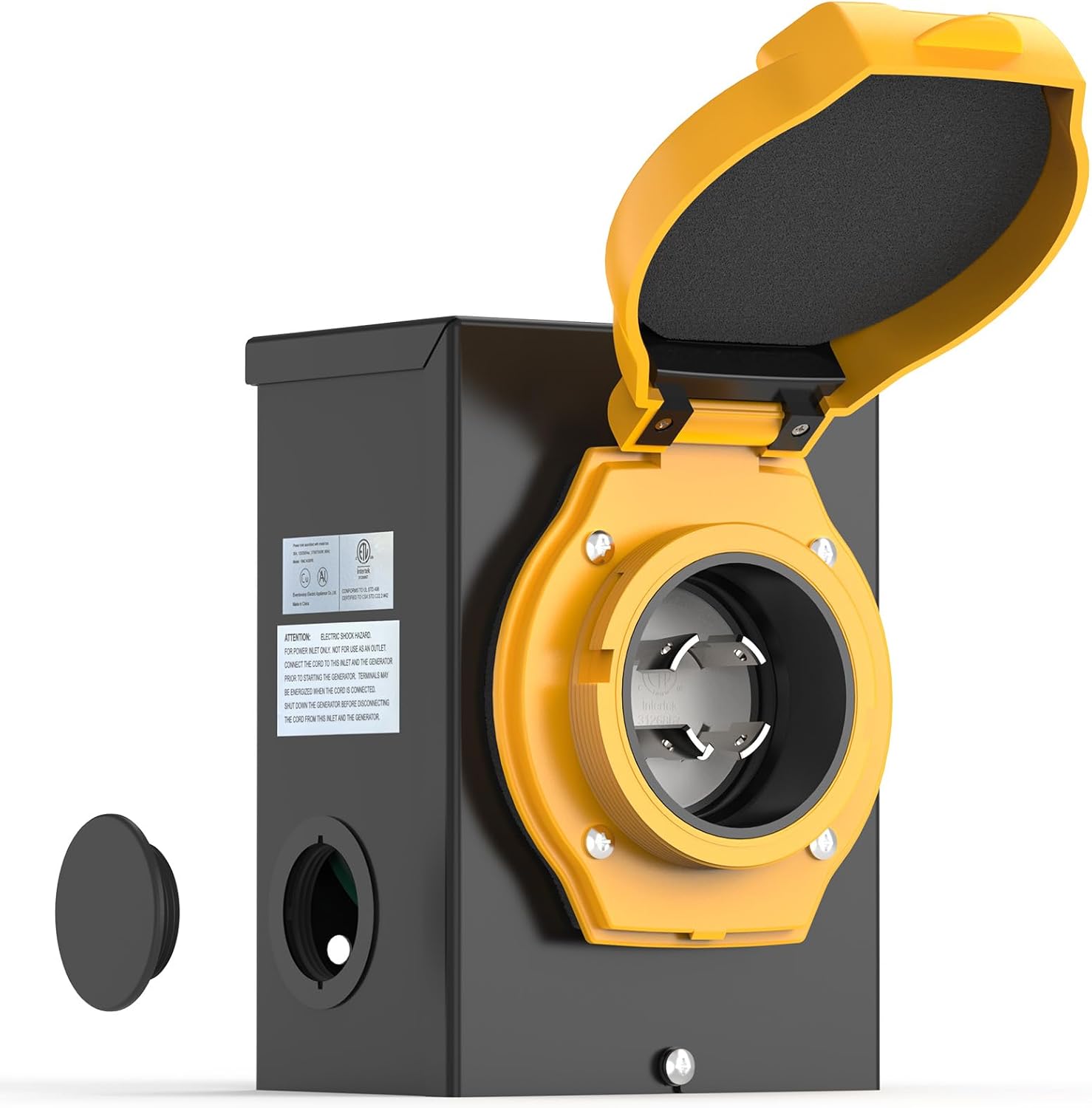
Whole House Generator Outlet
This is a 30 AMP standard generator outlet to connect your home panel to a generator.
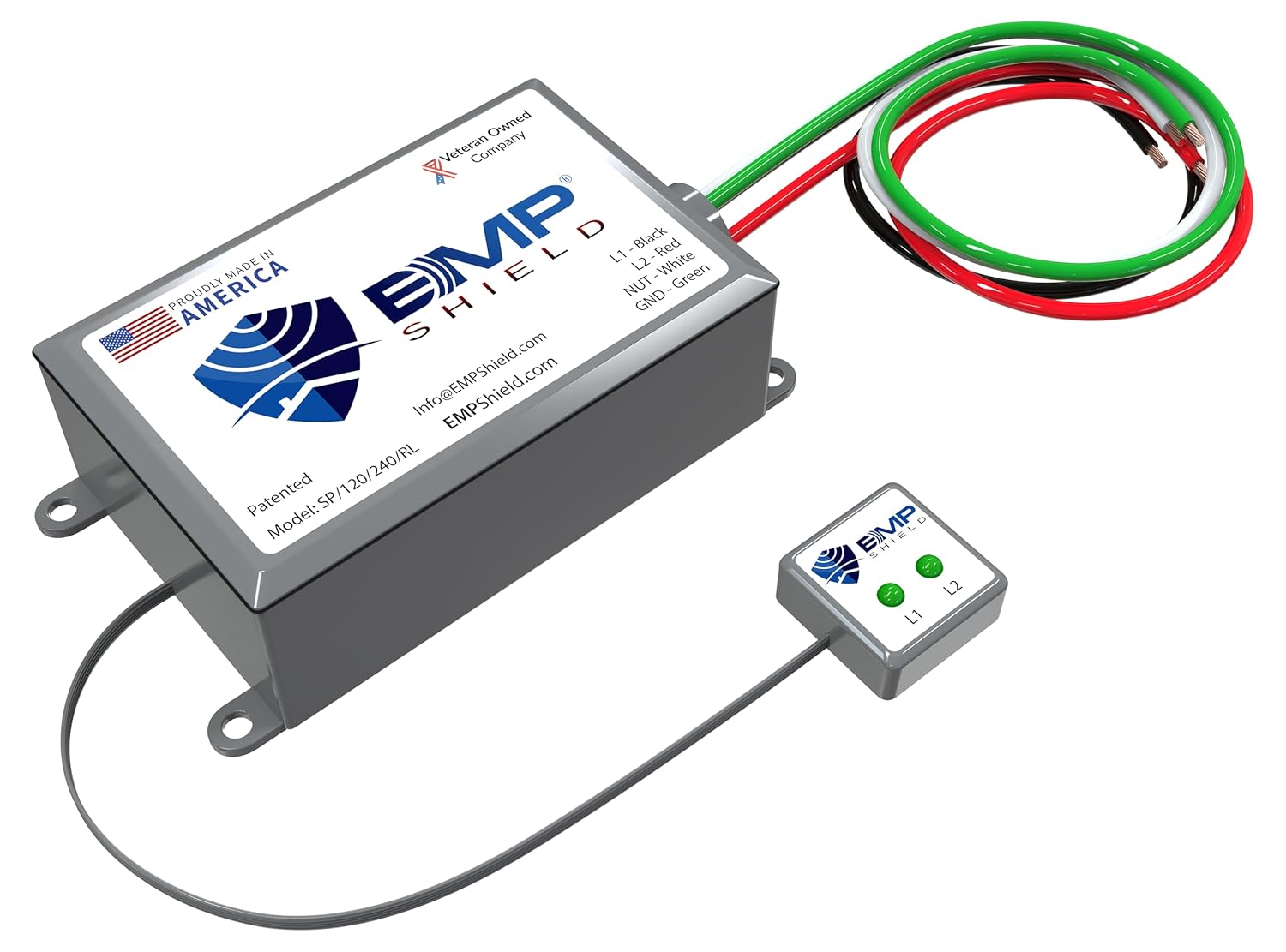
EMP Shield for Lightning Protection
Doc’s choice for whole house protection.
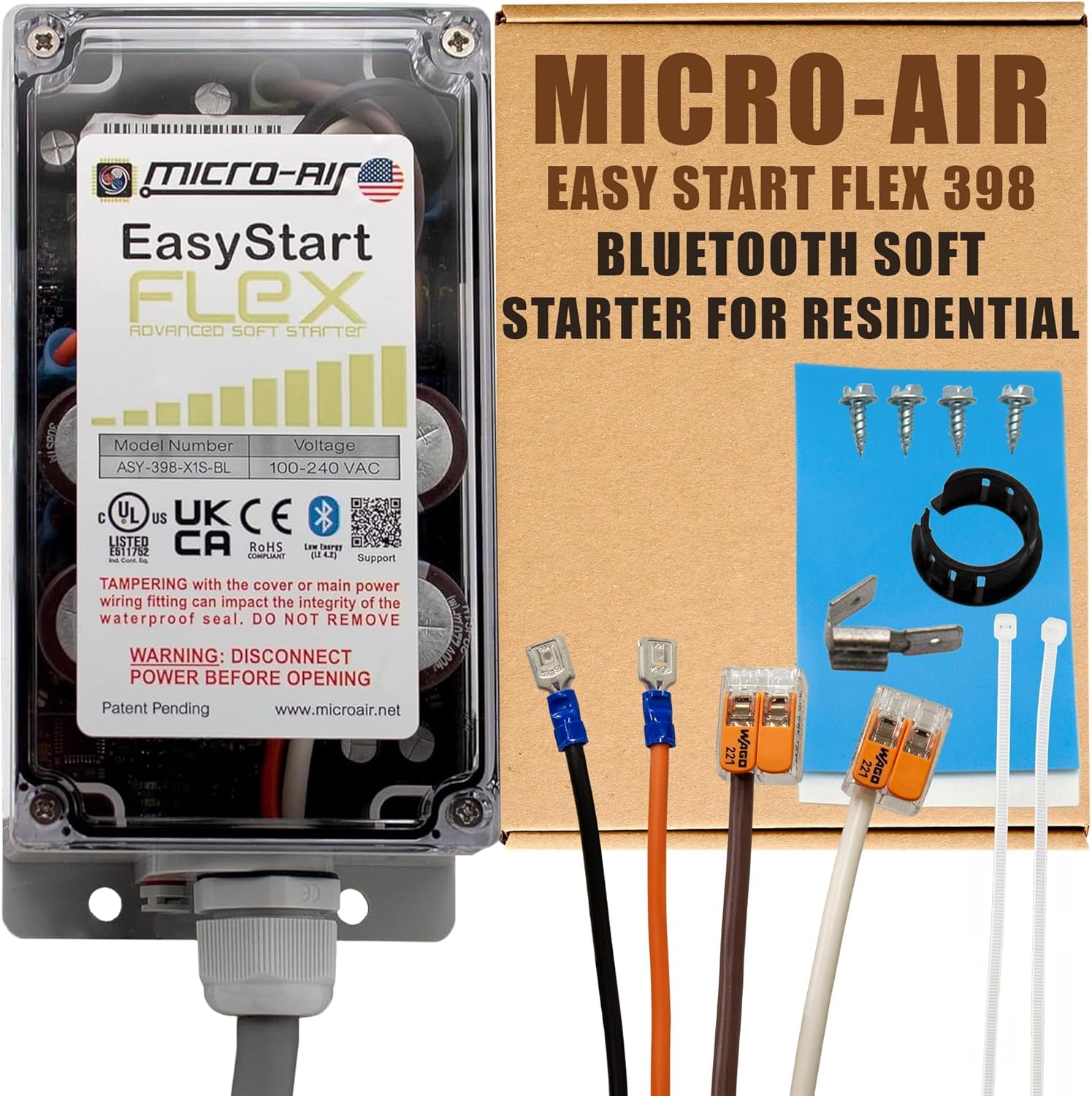
Soft Start for your HVAC
This reduced our 5 ton HVAC start-up from 32 amps down to 16 amps
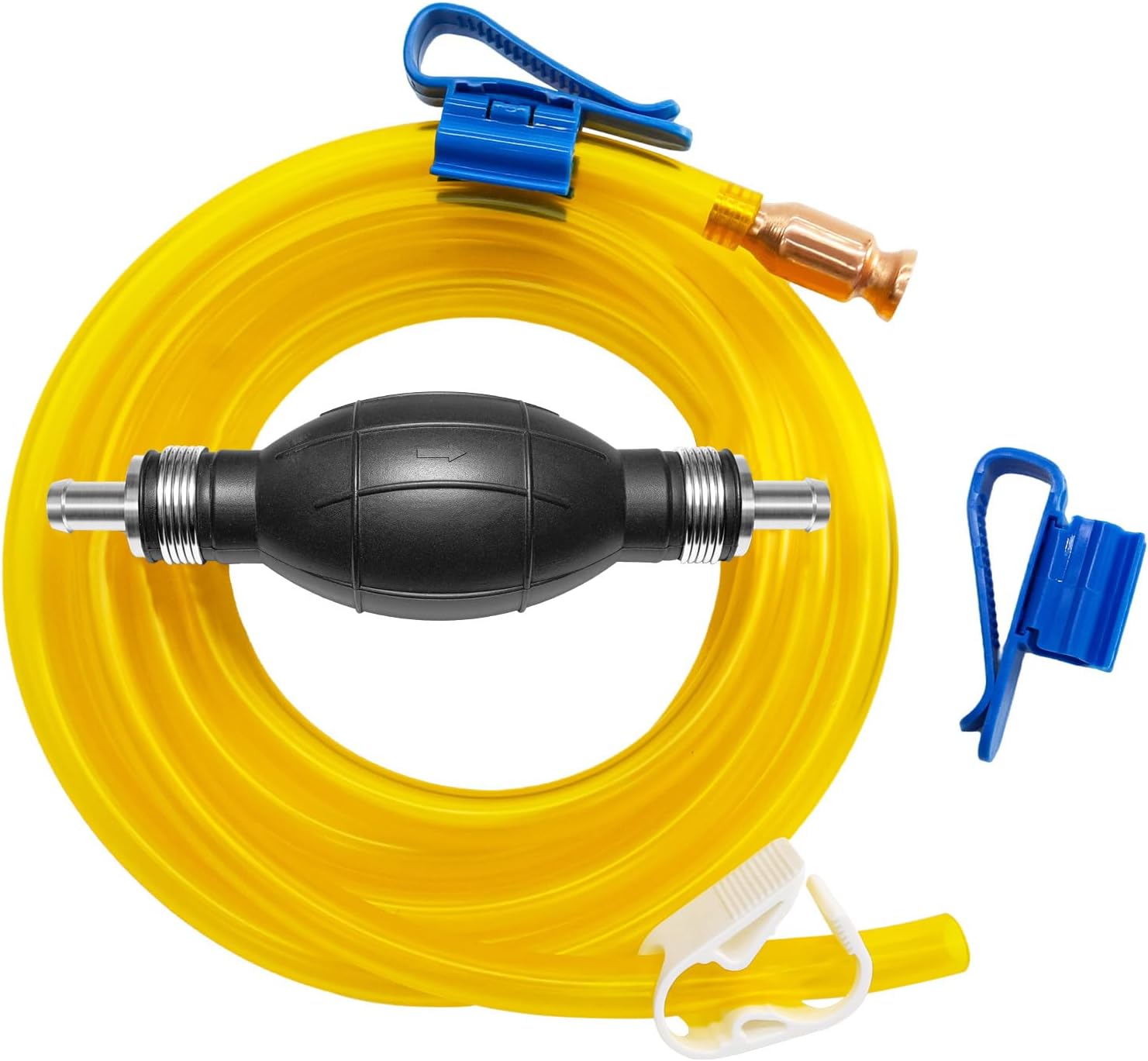
Fuel Siphon – Transfer gas from autos to cans
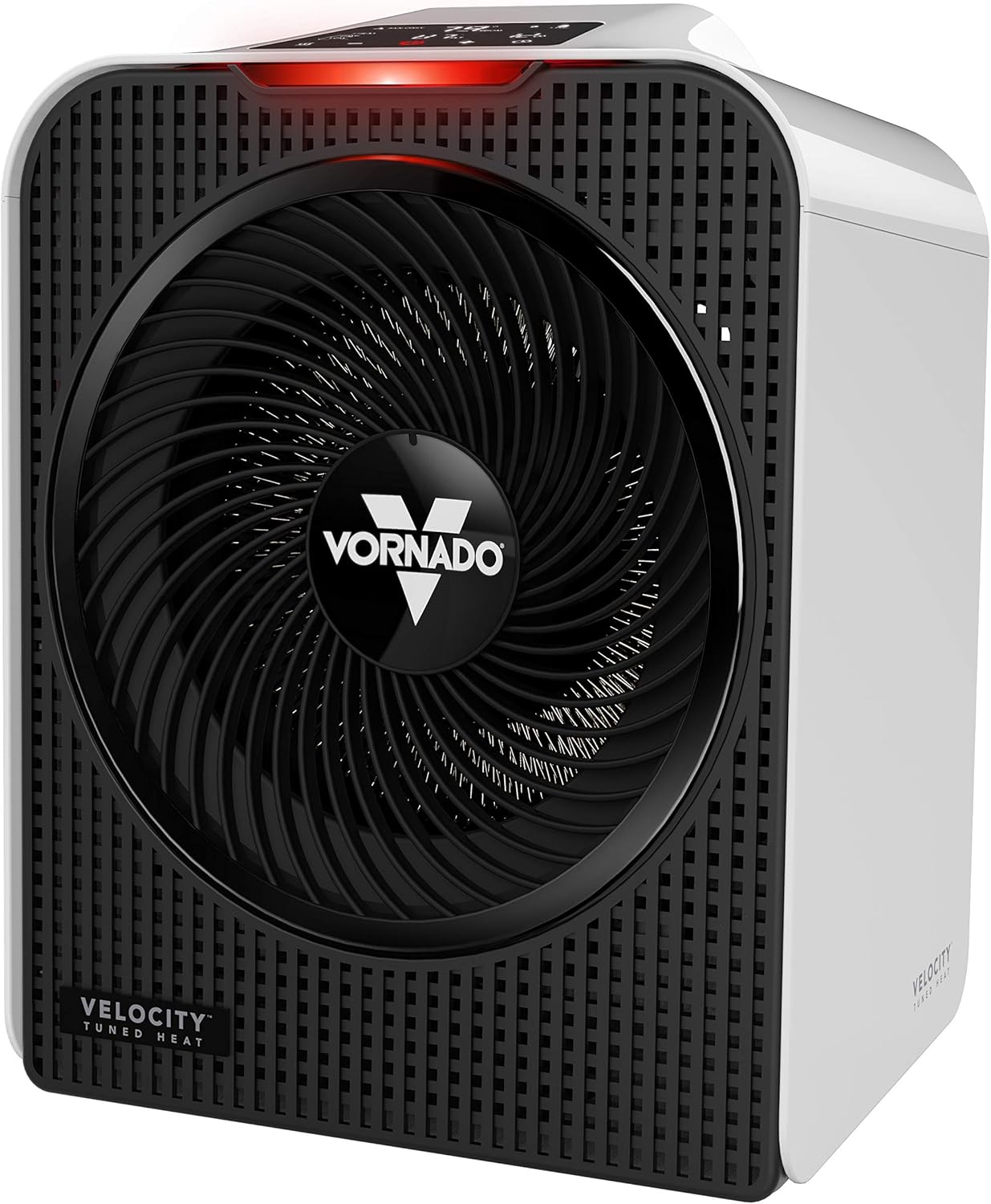
Best Space Heater for power Outages
It’s critical that your space heater have a HIGH volume fan on it. If not the heat will simply rise and not fill the room. We OWN 5 of these heaters and they are the best.
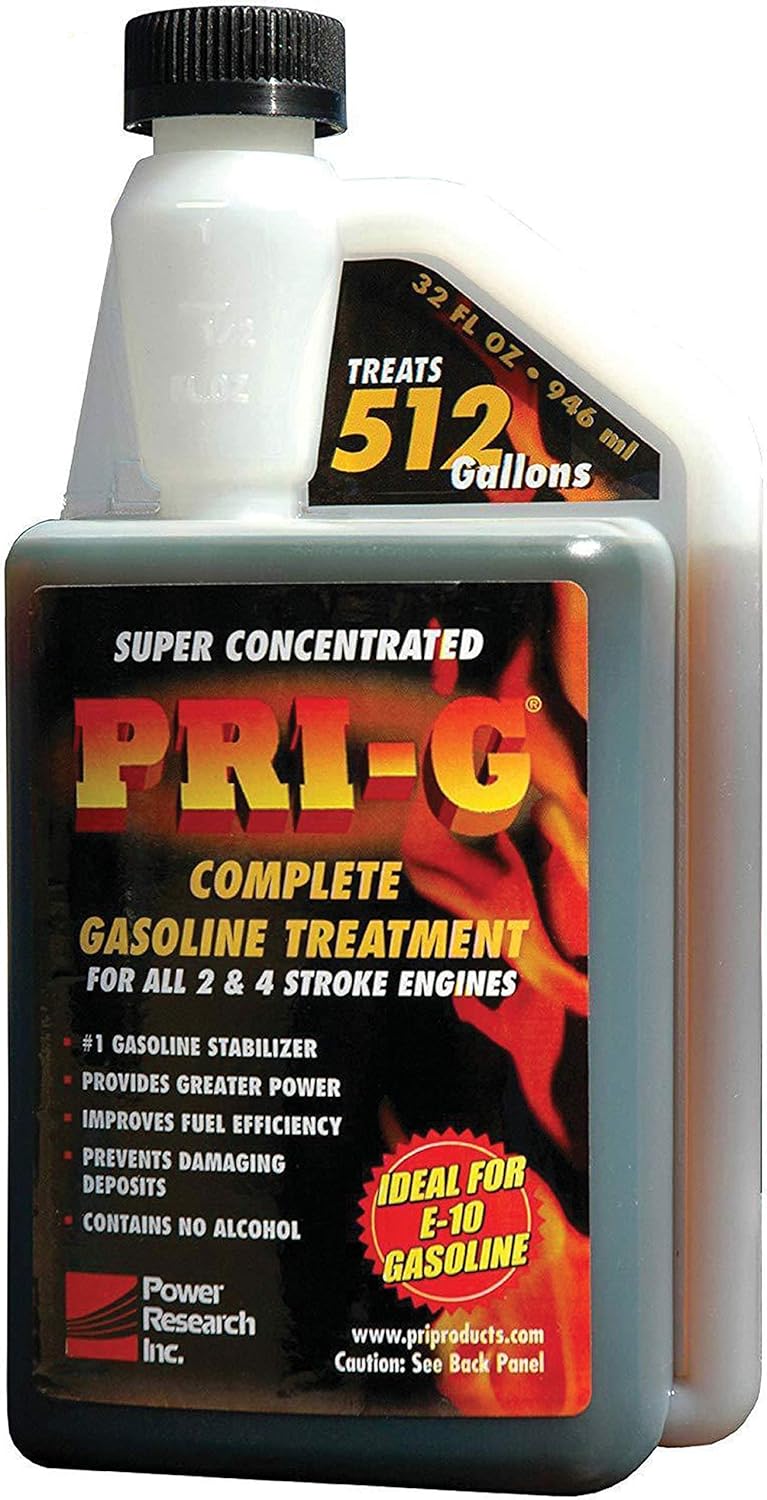
Best Fuel Storage Treatment
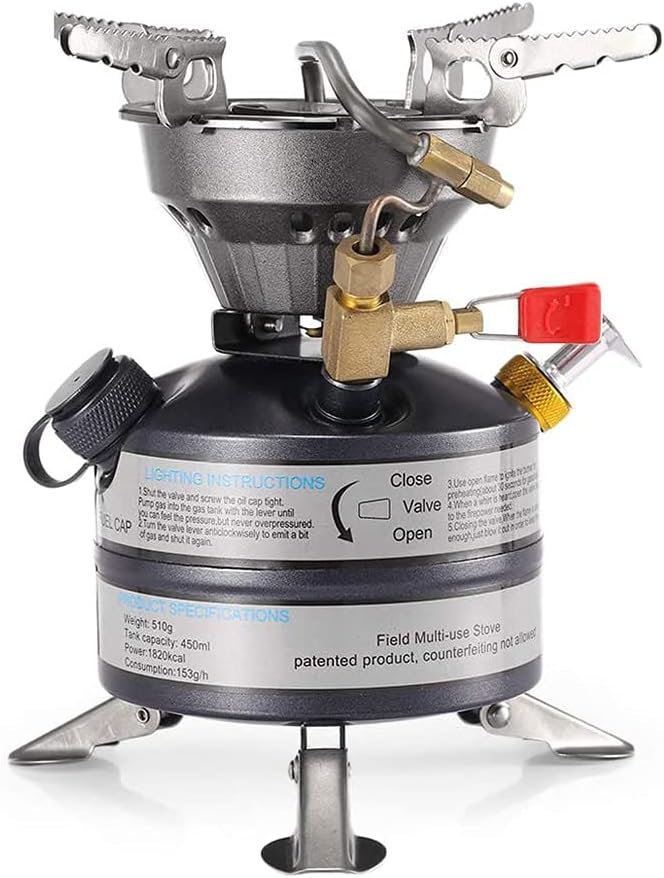
Gasoline Mini Stove
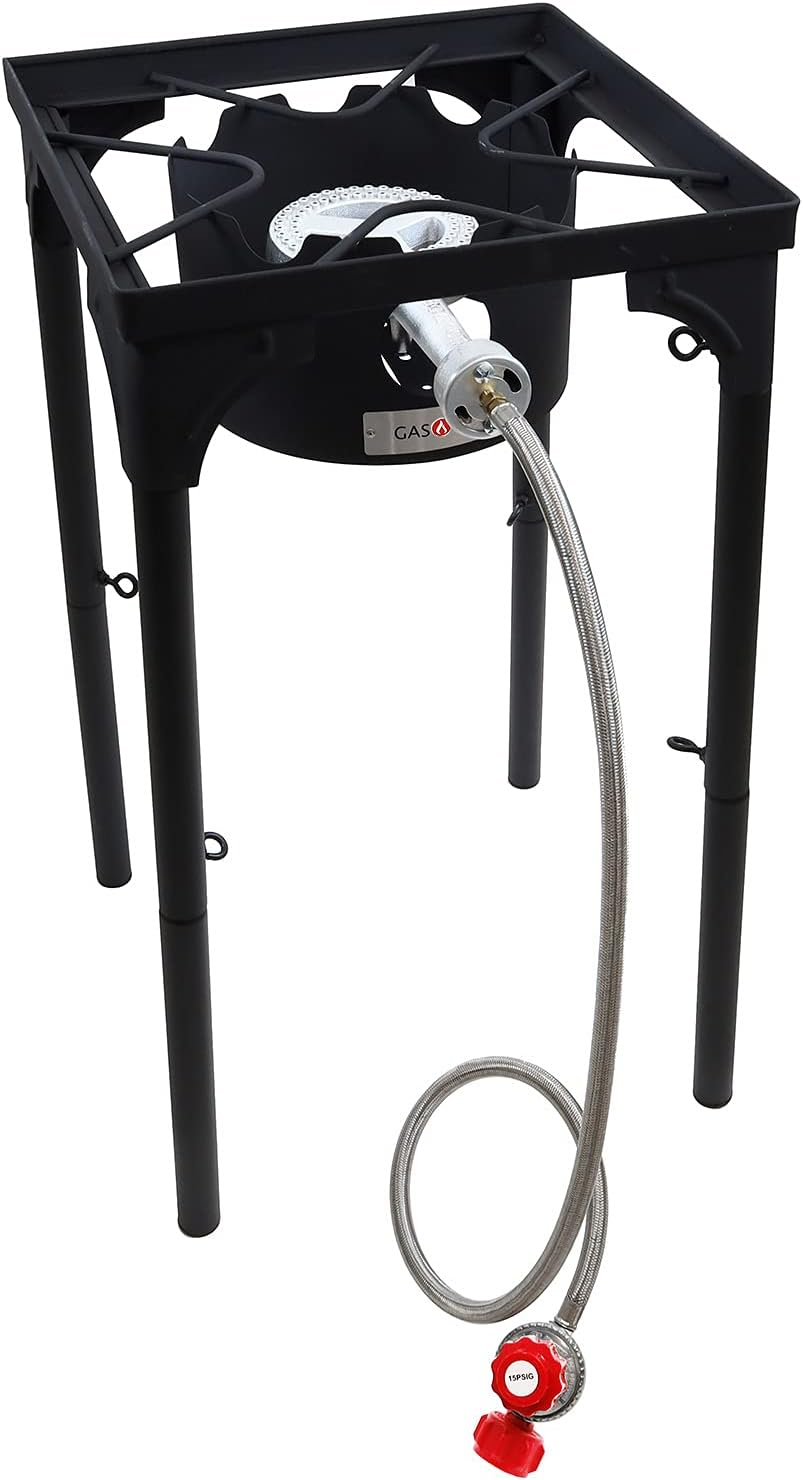
Propane Powered Camp Stove
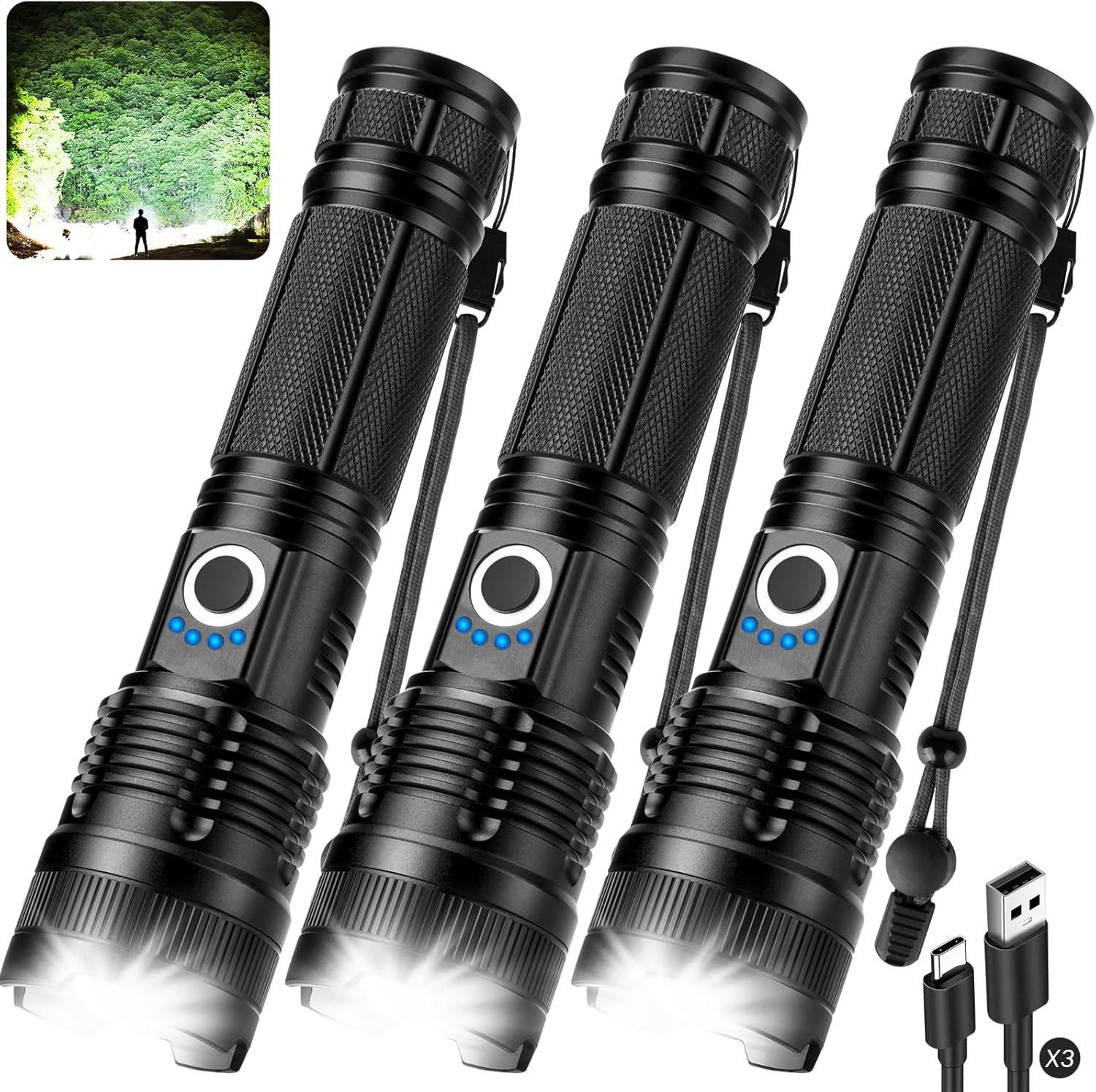
Rechargeable Flashlights
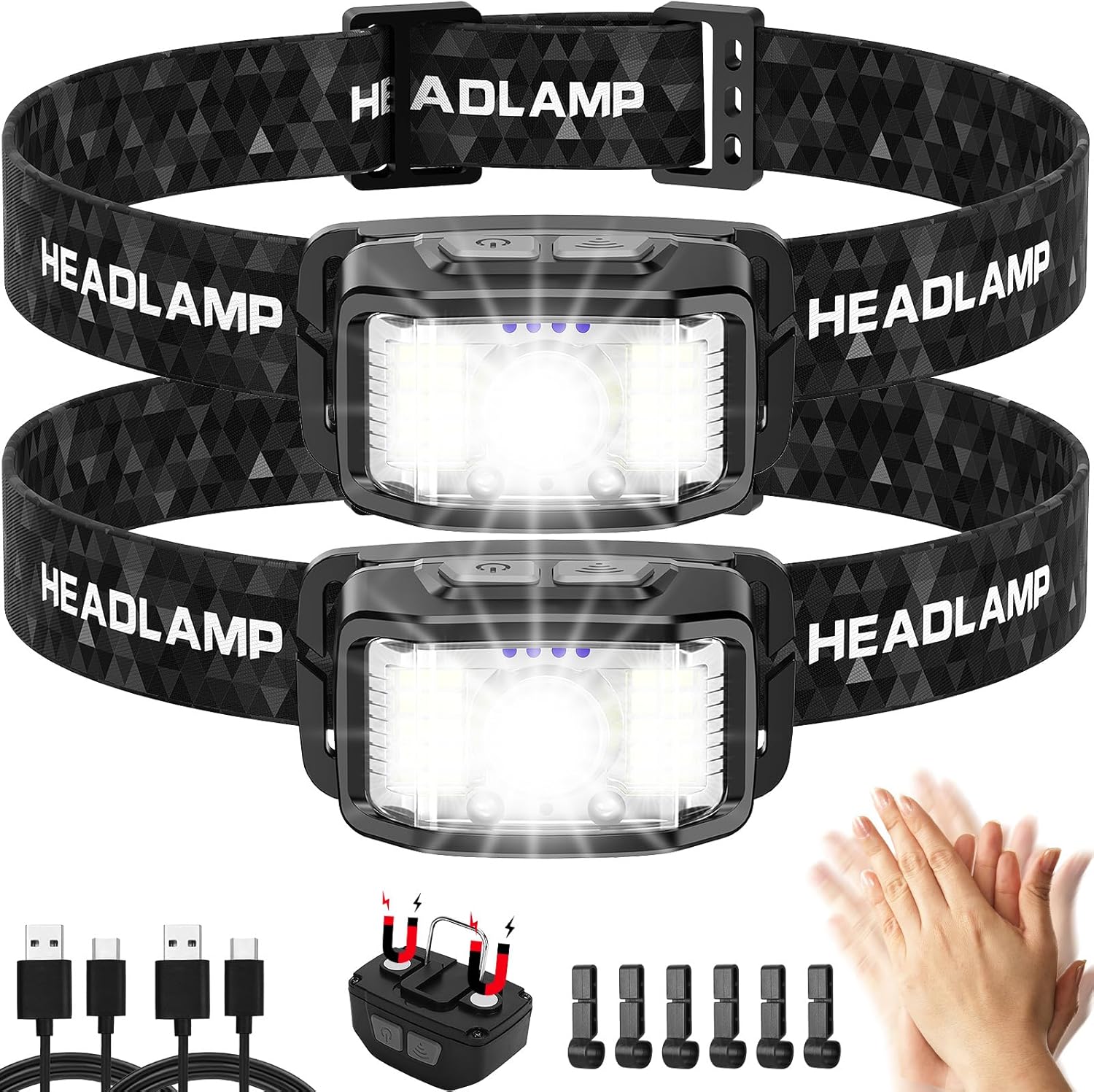
Headlamps that are Rechargeable
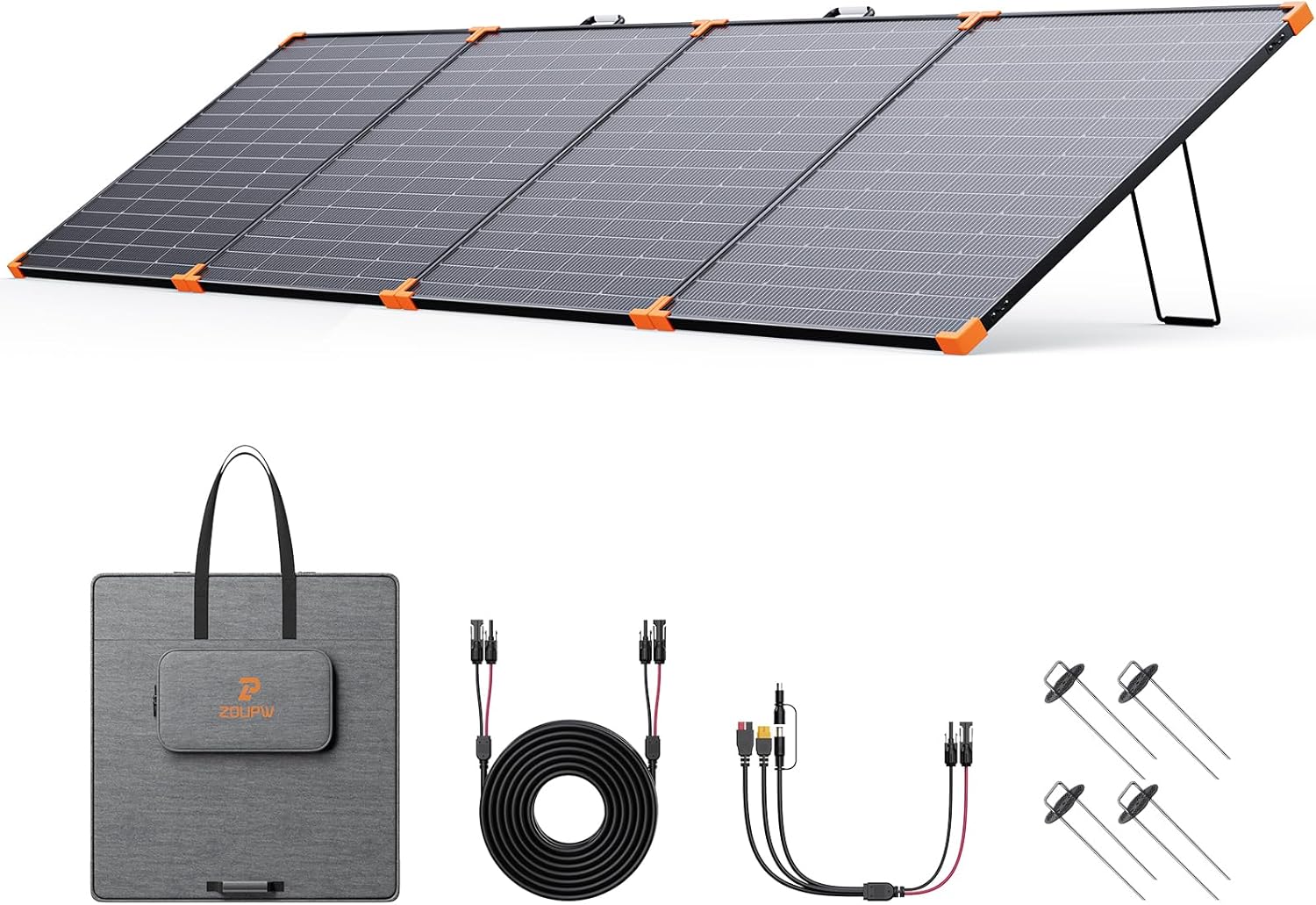
Solar Panels for charging your battery system
450 watts of portable charging and includes the proper connectors
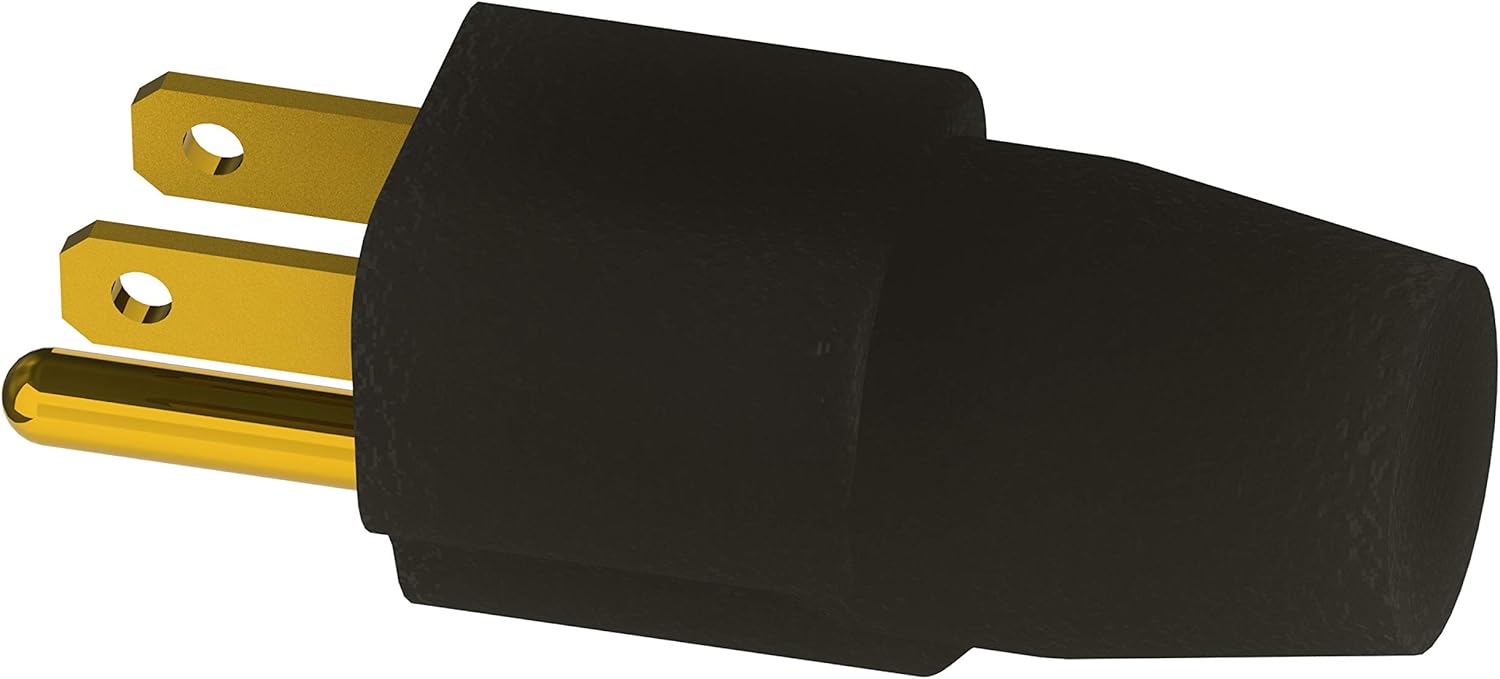
Bonding Plug –
If you have UNBONDED your generator and need to use it as a stand alone power source use this plug to RE-BOND temporally
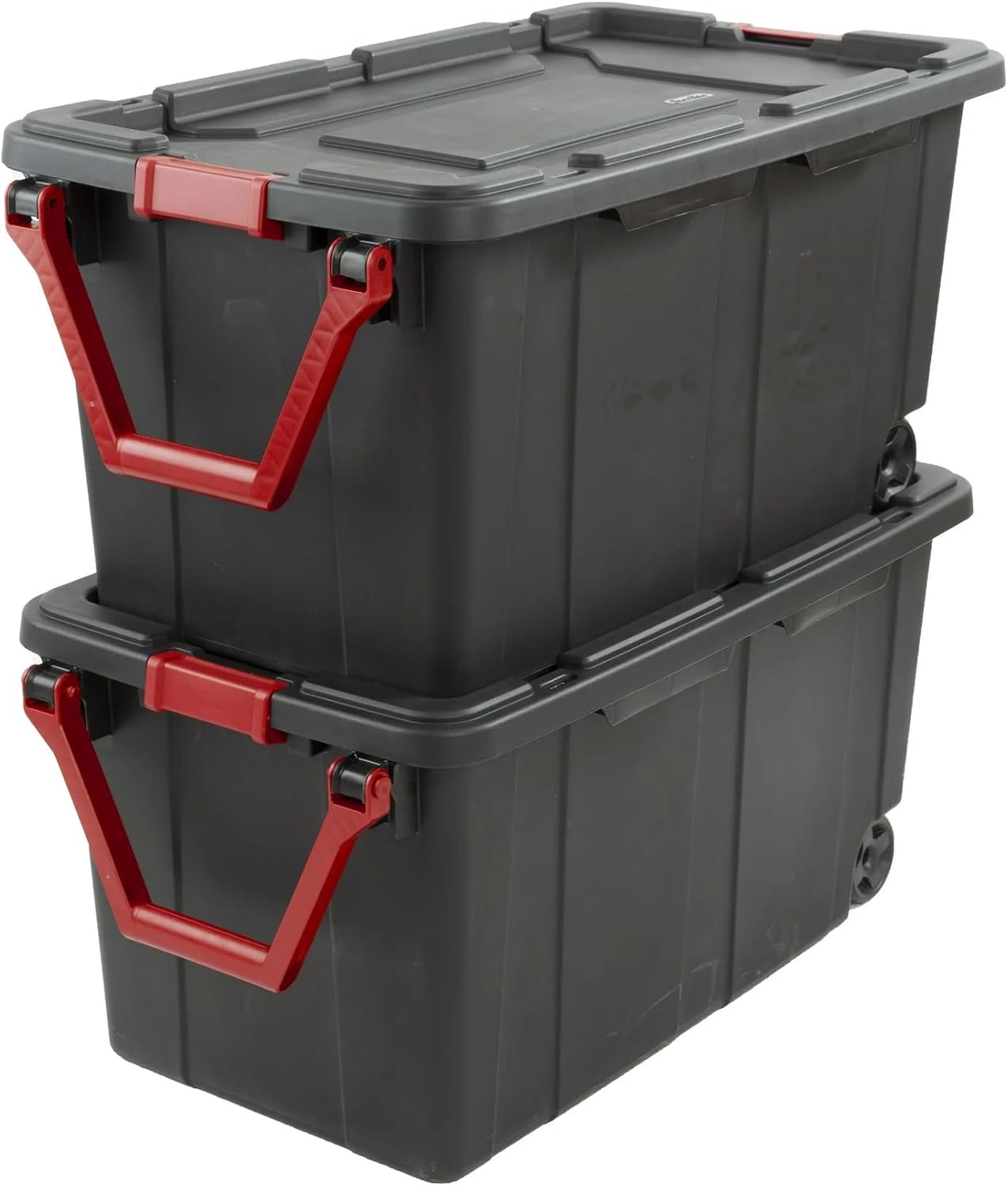
Storage Bins for Prepping
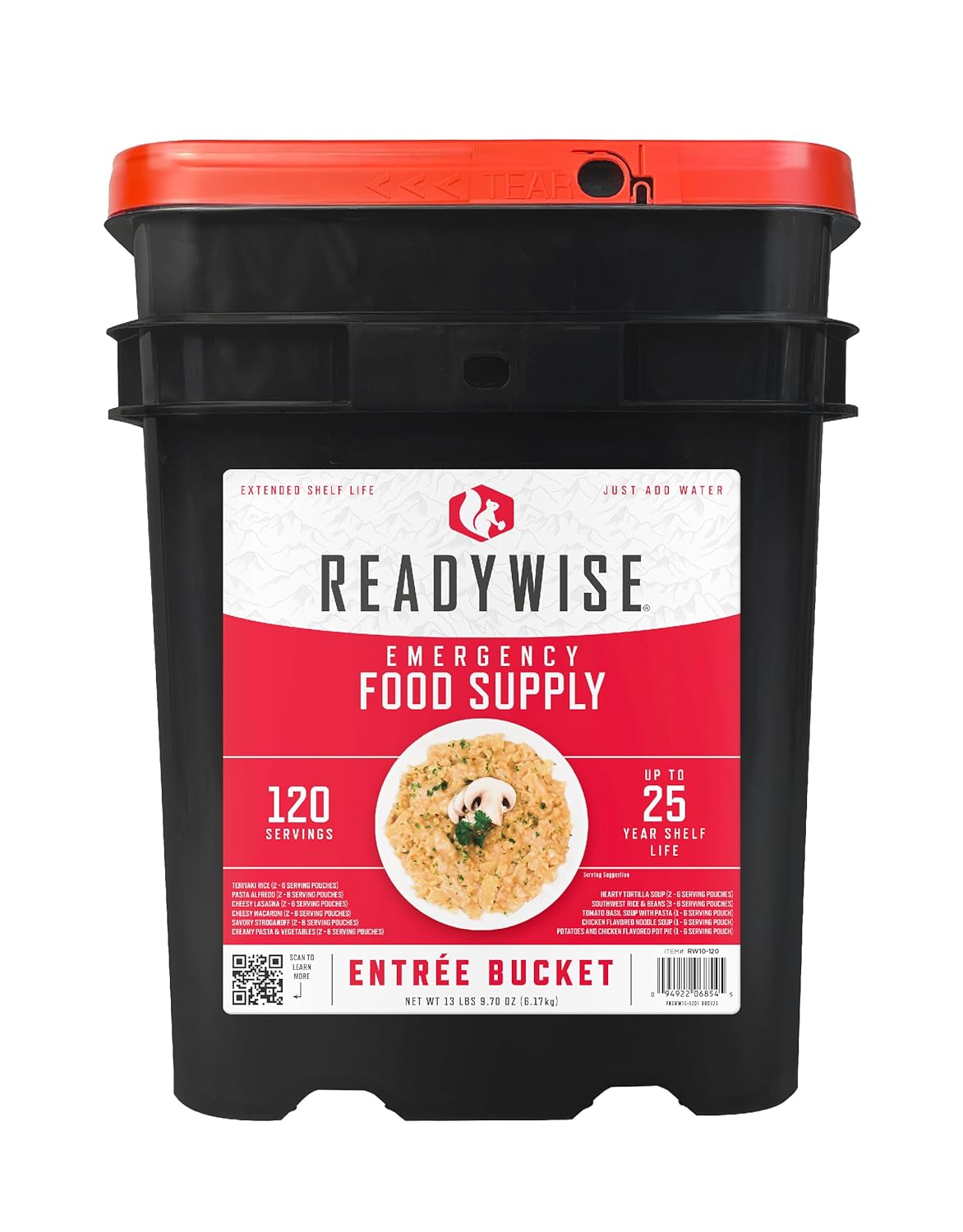
Long Term Food Storage Meals
Get the ENTREE bucket, don’t waste money of other meals.
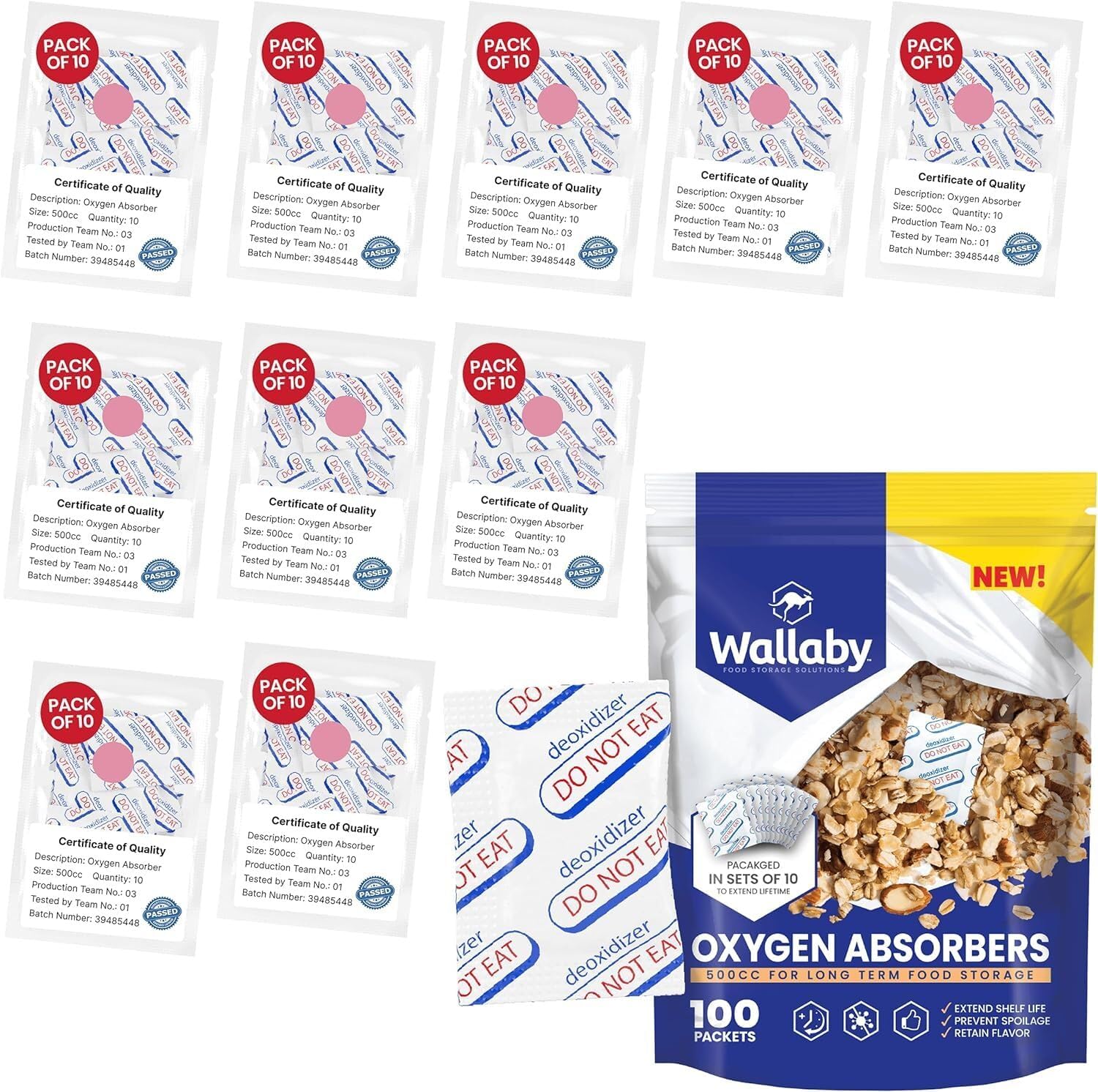
Oxygen Packs for Long Term Storage
Bulk Quinoa for Prepping

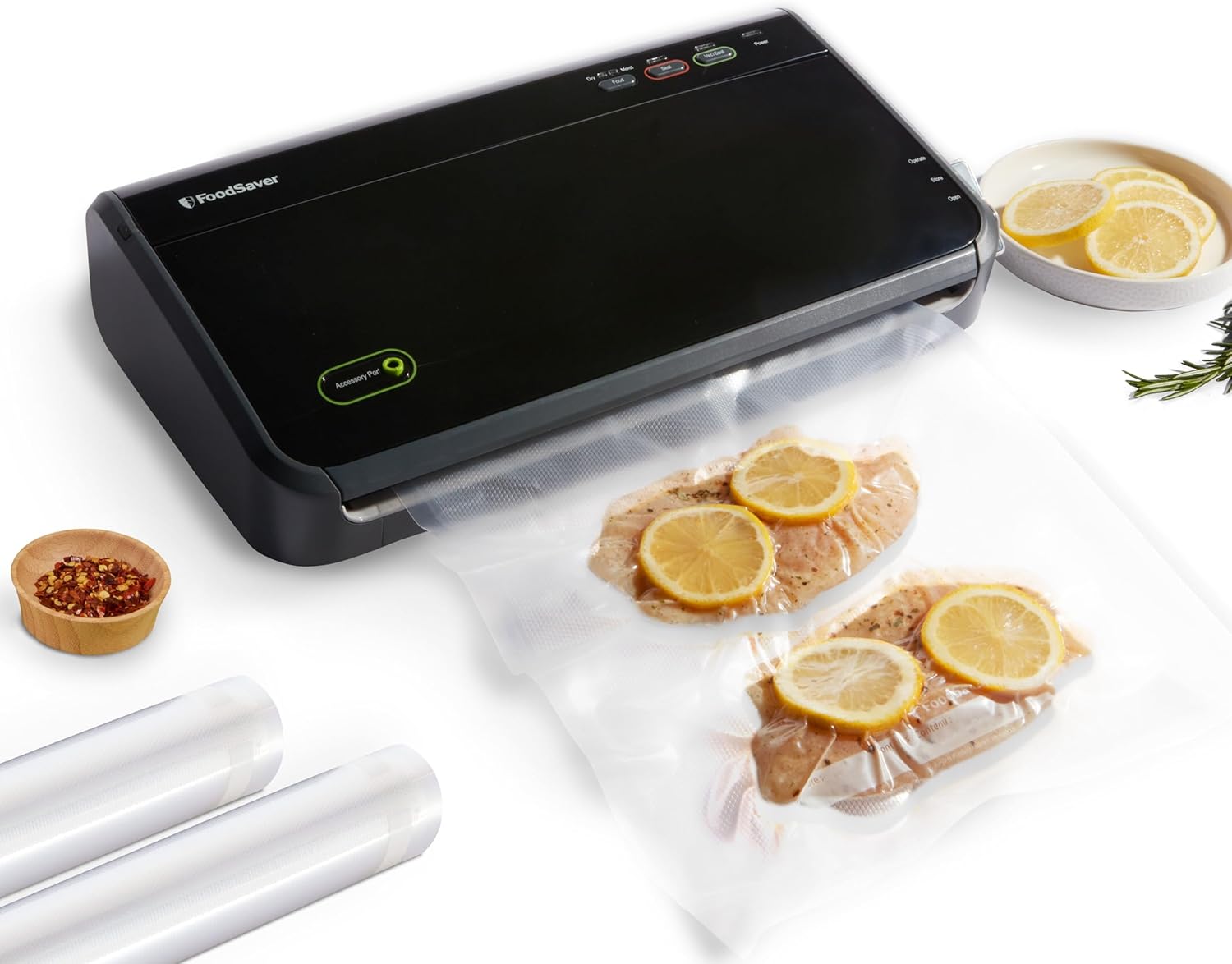
Vacuum Sealer for Long Term Storage
Note: Will not seal Mylar Bags.
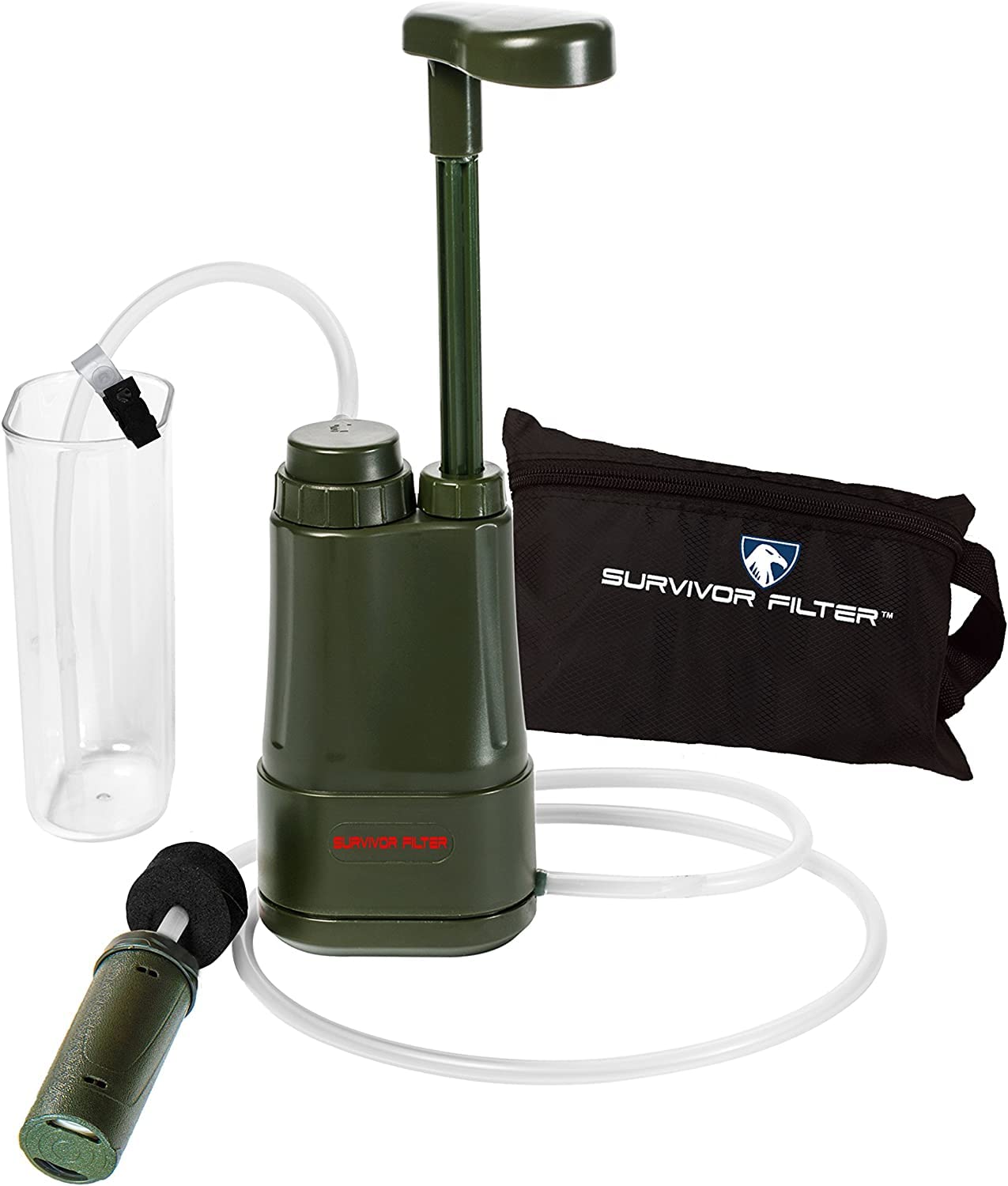
Emergency Water Filter
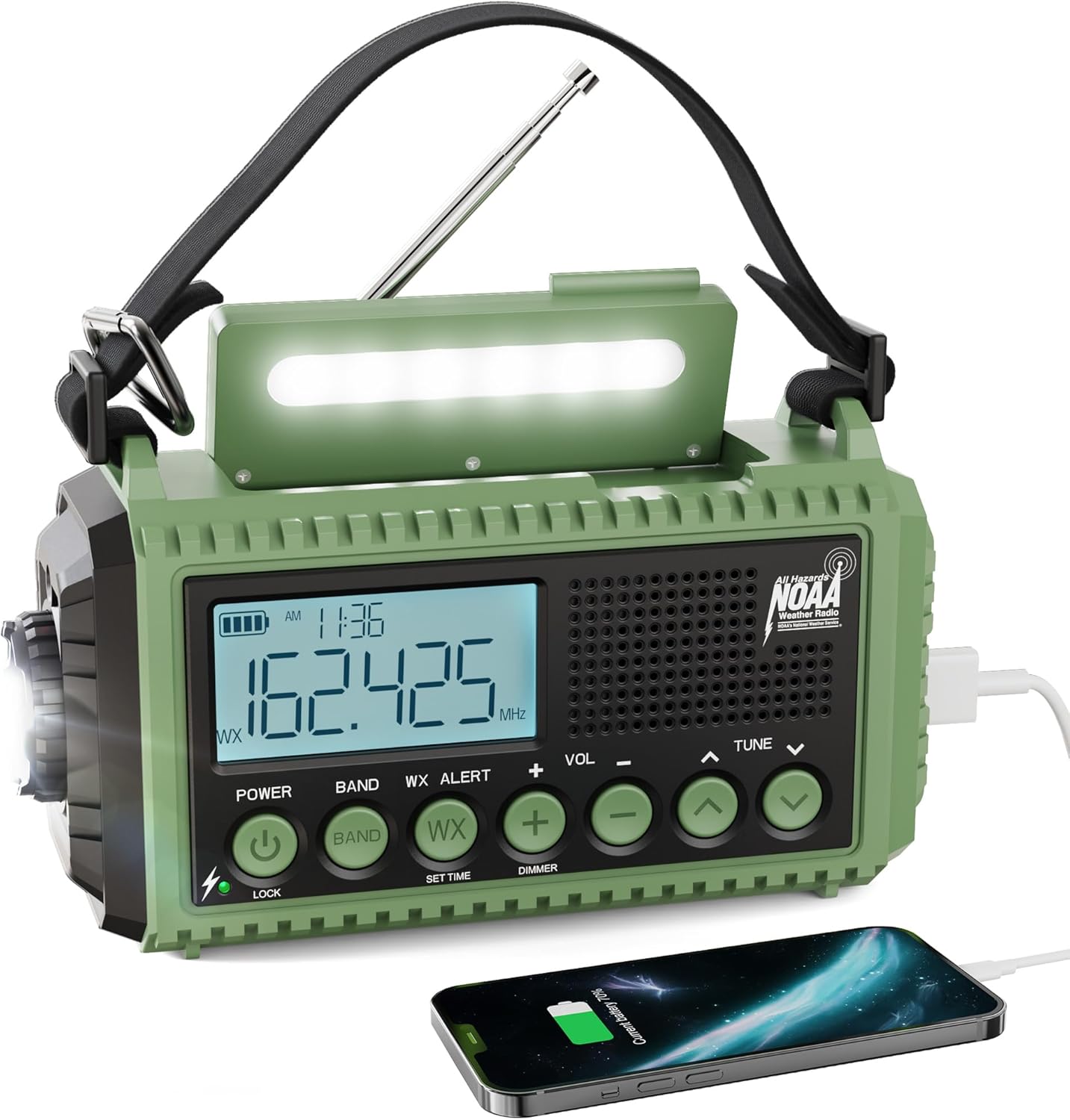
Emergency Radio